

Have you ever used the term “spirit animal” to describe something you love? It might seem harmless, but this phrase can actually be quite offensive to many. It’s easy to overlook how words can carry deep cultural significance, especially when they stem from Indigenous traditions.
Imagine casually referencing a beloved animal while unaware of its roots in a culture that holds it sacred. This article will help you understand why using “spirit animal” in everyday conversation can be problematic. By exploring its implications, you’ll gain insight into respecting cultural identities and fostering more meaningful connections. Let’s rethink our language together.
Key Takeaways
- Cultural Significance: The term “spirit animal” holds deep spiritual meaning within Indigenous cultures, representing guidance and connection to nature, making its casual use problematic.
- Cultural Appropriation: Using “spirit animal” without understanding its background can trivialize and misrepresent Indigenous beliefs, perpetuating harmful stereotypes and erasing cultural significance.
- Emotional Impact: Casual references to “spirit animals” can evoke feelings of disrespect among Indigenous individuals, highlighting the need for sensitivity towards their heritage.
- Contemporary Discourse: Conversations on social media and academic critiques emphasize the importance of respecting the historical context of the term and its implications in public discourse.
- Alternative Expressions: Exploring terms like “animal guides” or “nature inspirations” allows for meaningful connections to animals without appropriating Indigenous spiritual concepts.
- Respectful Engagement: To honor cultural diversity, it’s crucial to educate yourself, engage with communities, and use language that reflects appreciation for different cultures.
Understanding Spirit Animals
Understanding spirit animals requires delving into their definition, origin, and cultural significance. The term holds a deep meaning for many and is not merely a trendy phrase.
Definition and Origin
The term “spirit animal” refers to a spiritual guide or totem that embodies an individual’s traits or qualities. It often draws from Indigenous cultures, where the connection between humans and animals forms an integral part of spirituality. Its use in contemporary settings often lacks context and can misrepresent its original meaning.
Cultural Significance
Spirit animals hold substantial meaning in various Indigenous traditions. They symbolize guidance, protection, and connection to nature. Tribes view these animals as crucial links to spiritual realms, representing lessons and insights specific to an individual’s life journey. Misusing this term can dilute its significance and perpetuate cultural appropriation, undermining the rich heritage of those it originates from.
The Concept of Appropriation
Cultural appropriation occurs when elements of one culture are adopted by members of another culture without permission or understanding. This often leads to the erasure of the original culture’s significance. In the case of “spirit animal,” its usage outside Indigenous contexts can be both trivializing and disrespectful.
Recommended Products


Engaging Spanish vocabulary builder for kids. Perfect for both classroom and homeschool curriculum, the activities in this workbook cover essential Spanish for kids including common phrases, questions, vocabulary, parts of speech, and more.
Cultural Appropriation Explained
Cultural appropriation often reflects a power imbalance. It typically involves a dominant culture borrowing from marginalized groups while disregarding their cultural significance. When you adopt terms like “spirit animal” without awareness of their background, you risk oversimplifying complex beliefs. This can lead to misunderstandings and reinforce negative stereotypes about Indigenous cultures. Recognizing the context helps preserve the integrity of the original culture.
Historical Context
Historically, Indigenous peoples faced colonization, land theft, and efforts to erase their cultures. The spiritual beliefs and practices related to animals held deep significance, linking identities and traditions. In contrast, the casual use of “spirit animal” in pop culture often strips away that depth. It can trivialize centuries of knowledge and connection to nature. Understanding this history highlights why using such terms carelessly is harmful and helps you appreciate the rich tapestry of cultural heritage.
Impact on Indigenous Communities
Understanding the impact of the term “spirit animal” on Indigenous communities reveals the depth of harm it causes. This term carries historical and spiritual significance, making its casual usage troubling.
Recommended Products

Engaging informational text teaches kids about history's greatest influencers in way they'll understand and retain

Bilingual Fairy Tale Books for Children: Create a library that fosters a love for reading and language learning with Keepsake Stories Children's Fairy Tales in Spanish and English!

Used Book in Good Condition
Misrepresentation and Stereotyping
Using “spirit animal” often leads to misrepresentation of Indigenous cultures. Many people appropriate the term without grasping its true meaning. For instance, choosing an animal based on preferences or trends diminishes the term’s sacredness. This casual approach promotes stereotypes, painting Indigenous cultures as whimsical or simplistic. Such portrayals ignore the complexities and richness of cultural traditions. Engaging with Indigenous narratives respectfully preserves their identities and avoids perpetuating harmful stereotypes.
Emotional and Psychological Effects
The emotional impact on Indigenous individuals can be profound. Hearing “spirit animal” used carelessly can evoke feelings of disrespect and erasure. For many, the bond with animal spirits is deeply personal and tied to community identity. Using the term frivolously can feel like an attack on their heritage. This trivialization fosters a sense of cultural loss and contributes to broader mental health challenges within communities already facing social and economic pressures. Acknowledging these feelings fosters a greater sense of empathy and respect for the cultural significance of language.
Contemporary Perspectives
The term “spirit animal” has sparked significant discussion in various platforms and contexts. Understanding contemporary perspectives can help you navigate this sensitive topic more effectively.
Social Media and Public Discourse
Social media platforms amplify discussions surrounding cultural appropriation. Users frequently critique the casual use of “spirit animal” in memes, jokes, or casual conversation. For instance, someone might post, “Coffee is my spirit animal,” trivializing its true significance. Conversations often highlight the disconnect between lighthearted expressions and their cultural implications. Hashtags like #NotYourSpiritAnimal focus on raising awareness, advocating for respect toward Indigenous cultures. The dialogue encourages you to consider the impact of language and its potential to harm when used carelessly.
Academic Insights and Critiques
Scholars are addressing the complexities of terms like “spirit animal.” Many academic critiques highlight that using this phrase overlooks its Indigenous roots. Research indicates that such casual usage perpetuates stereotypes and contributes to cultural erasure. For example, anthropological studies demonstrate how Indigenous spiritual beliefs are grounded in profound connections to nature and animals. This criticism emphasizes that understanding these beliefs requires engaging with the historical context. Academics urge you to reflect on the implications of your language choices, advocating for sensitivity and respect in public discourse.
Finding Alternatives to Spirit Animals
Exploring respectful alternatives to “spirit animal” fosters understanding and appreciation for diverse cultures. Many terms can convey a connection to animals without appropriating Indigenous beliefs.
Recommended Products
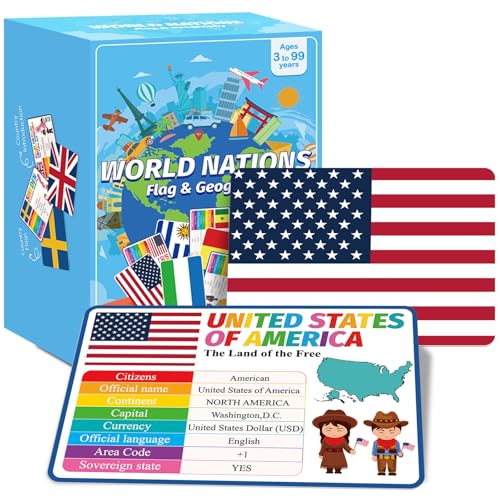
Package includes: You’ll get 201 country flashcards. These world geography flash cards have upgraded their materials, with brighter patterns and more accurate information, cover some countries in North America, Europe, Asia and other continents. With flags printed on one side and detailed information on the other, including the country name, map, continent, capital, language, and more. The world flags flashcards helping to expand your knowledge and perspective on global cultures and geography.

Explore World Cultures Through Play: This multicultural wooden puzzle set features 2 boards with 16 different children each, representing diverse countries and traditional outfits. Toddlers can mix and match heads and bodies to explore global cultures while having fun.

Used Book in Good Condition
Suggested Terms and Practices
- Animal Guides: This term represents guidance without spiritual connotations. It emphasizes learning from animal behaviors rather than cultural appropriation.
- Totem Animals: Use this phrase to reflect the symbols important in many cultures, including some Indigenous ones, while maintaining respect for those traditions.
- Nature Inspirations: Frame your connection to animals in terms of inspiration. For example, you might say, “My nature inspiration is the eagle, known for its keen vision.”
- Favorite Animal: Sharing your favorite animal avoids cultural sensitivity issues. It allows for personal expression without misrepresenting spiritual significance.
- Animal Allies: This phrase promotes a supportive relationship with animals while acknowledging their symbolic value.
Importance of Respecting Cultures
Respecting cultures starts with understanding their significance. Language shapes perceptions, and words carry weight. Misusing terms can inadvertently contribute to stereotypes or reinforce negative cultural narratives.
- Educate Yourself: Research the cultural significance of animals in different societies. Understanding their spiritual connections helps avoid offensive language.
- Engage with Communities: Participate in conversations with Indigenous groups or cultural representatives. Listen and learn from their experiences and perspectives.
- Promote Inclusivity: Acknowledge the contributions of all cultures. Encourage discussions that recognize the complexities of different traditions, rather than simplifying them for convenience.
- Be Mindful in Language: Reflect on the words you use in everyday conversation. Choose terms that appreciate cultural heritage without misrepresentation.
By fostering respect and seeking alternatives, you contribute to a more inclusive dialogue that honors the richness of all cultures.
Conclusion
Reevaluating the term “spirit animal” is essential for fostering respect and understanding toward Indigenous cultures. By recognizing its deep significance and the potential harm caused by its casual use, you can contribute to a more inclusive conversation.
Choosing respectful alternatives allows you to express your connection to animals without appropriating someone else’s culture. It’s all about being mindful of the language you use and the impact it can have on marginalized communities.
Embracing this awareness not only honors the rich heritage of Indigenous peoples but also helps build deeper connections with the world around you. Your thoughtful choices can make a difference in promoting cultural sensitivity and appreciation.
Frequently Asked Questions
What does “spirit animal” mean?
“Spirit animal” refers to a spiritual guide or totem that embodies an individual’s traits, commonly rooted in Indigenous cultures. It symbolizes guidance, protection, and a deep connection to nature, highlighting the spiritual bond between humans and animals.
Why is the term “spirit animal” considered offensive?
The casual use of “spirit animal” can trivialize its significance within Indigenous cultures, where it holds deep spiritual meaning. Such usage often reflects cultural appropriation, erasing the rich heritage and complex beliefs of Indigenous communities.
What is cultural appropriation?
Cultural appropriation occurs when elements of one culture are adopted by another without understanding or respect. This often leads to the oversimplification and erasure of the original culture’s significance, perpetuating stereotypes and harmful representations.
How does the misuse of “spirit animal” affect Indigenous communities?
Misusing “spirit animal” can evoke feelings of disrespect and cultural erasure among Indigenous individuals. It trivializes their beliefs, contributes to stereotypes, and can lead to emotional and psychological harm within already marginalized communities.
What are some respectful alternatives to “spirit animal”?
Respectful alternatives include “animal guides,” “totem animals,” “nature inspirations,” “favorite animal,” and “animal allies.” These terms can express connections to animals without appropriating Indigenous spiritual beliefs and foster greater cultural appreciation.
Why should we be mindful of our language?
Being mindful of language helps to respect diverse cultures and understanding their significance. Thoughtful communication encourages inclusivity, promotes empathy, and helps to prevent the perpetuation of harmful stereotypes tied to cultural misrepresentation.
