


In my own workspace the first thing I notice each morning is whether the light lets me see the screen clearly without creating glare on the desk surface.
Most setups start with one overhead source yet that often leaves the rest of the room feeling dim or uneven once the day stretches on.
I have found that adding a focused task lamp changes how the whole space functions especially when the rest of the lighting stays low and steady.
Layering the two sources tends to reduce eye strain during long hours.
Over time I test small shifts in lamp height and bulb warmth to see what actually matches the way the room is used rather than how it looks in a photo.
Pair a Desk Lamp with Overhead Ambient Light
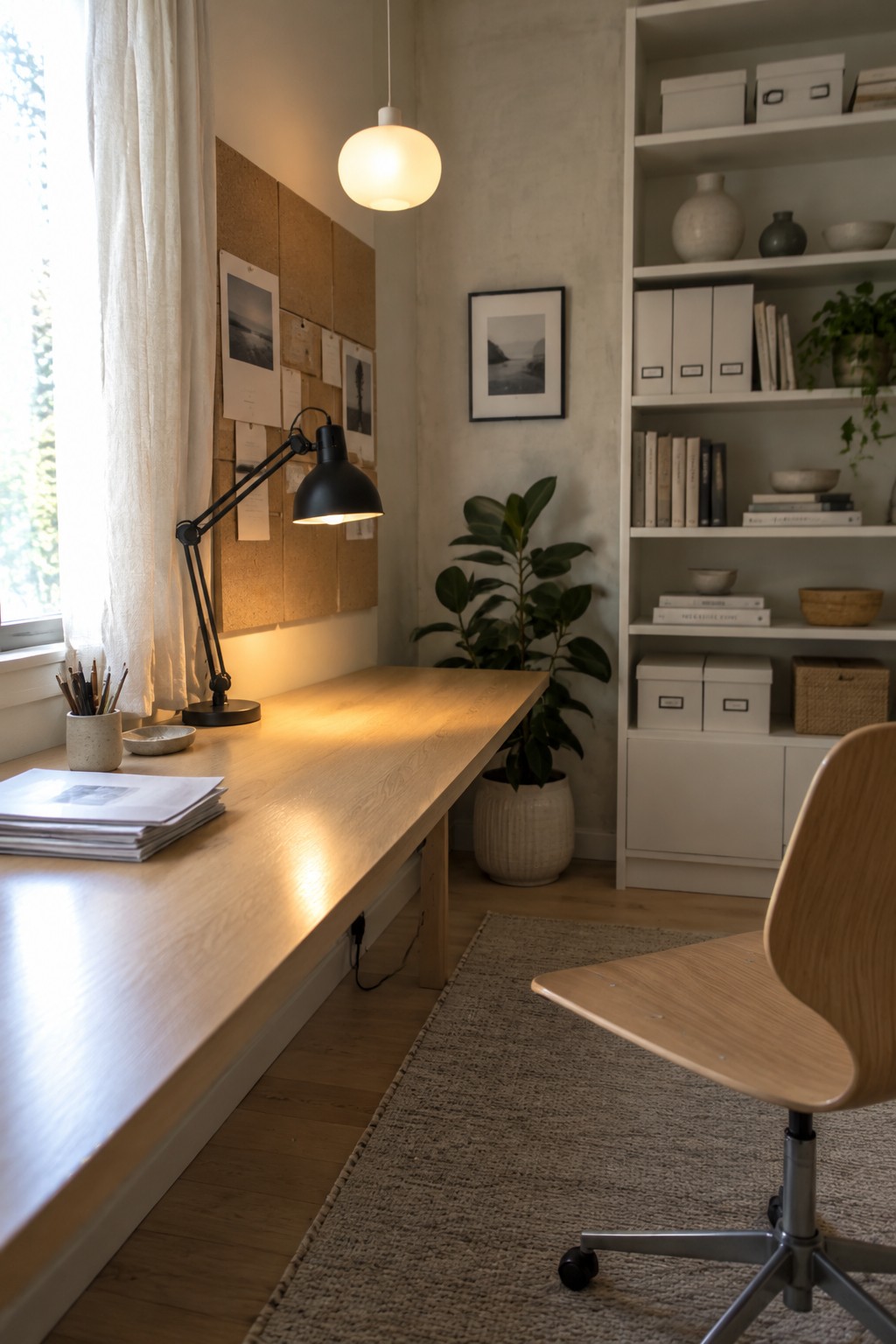
Many home offices end up with either harsh overhead light or a single desk lamp that leaves the rest of the room dark. Adding both a focused task lamp and a softer pendant creates a much more comfortable setup for long hours at the desk. The task lamp handles detailed work while the overhead light keeps the space from feeling dim or closed in.
This approach works best in rooms where you can hang the pendant at a height that spreads light evenly across the work area. Keep the task lamp adjustable so you can shift it as needed without moving furniture around. It suits smaller offices especially well since it avoids the need for multiple floor lamps.
Mixing Task Lamps With Ambient Overhead Lights

A single overhead light often leaves dark spots right where you need to see most. Adding a task lamp on the desk fills those gaps and keeps the workspace usable long after the sun goes down.
This setup suits smaller home offices that already have some natural light from a window. Keep the task lamp on the side of your writing hand and choose an overhead fixture that spreads a gentle glow across the room rather than shining straight down.
Pair Wall Sconces With A Desk Lamp
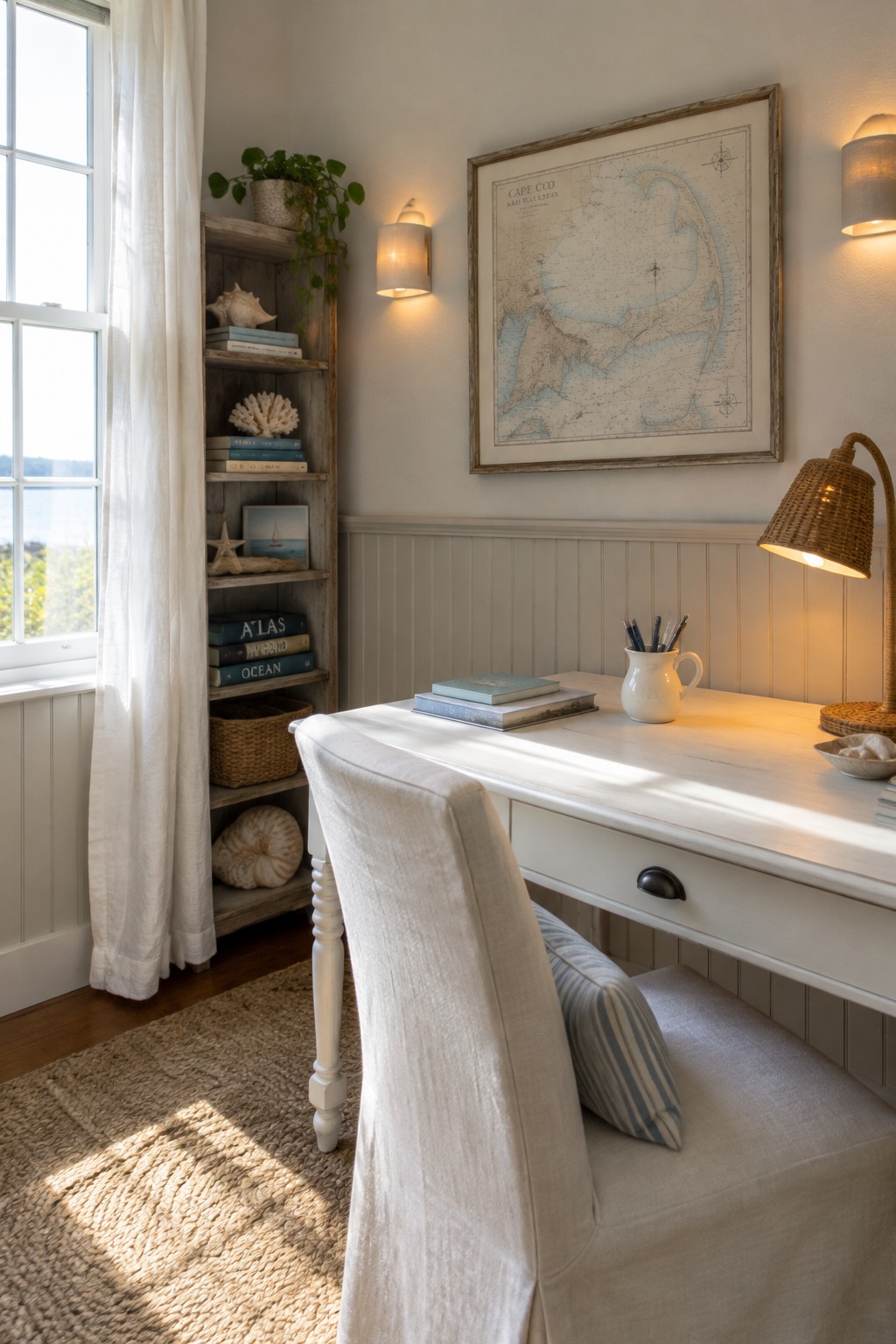
Many home offices end up with just one bright lamp on the desk, which can leave the rest of the room feeling dim or uneven. Adding a pair of wall sconces gives a soft layer of light that fills the space without adding another lamp on a surface.
This works best in smaller rooms or spaces that already get some daylight from a window. Keep the sconces on a dimmer so you can adjust them with the task lamp, and avoid placing them too high so the light stays at a comfortable level for reading or writing.
Layering a Task Lamp with Window Light
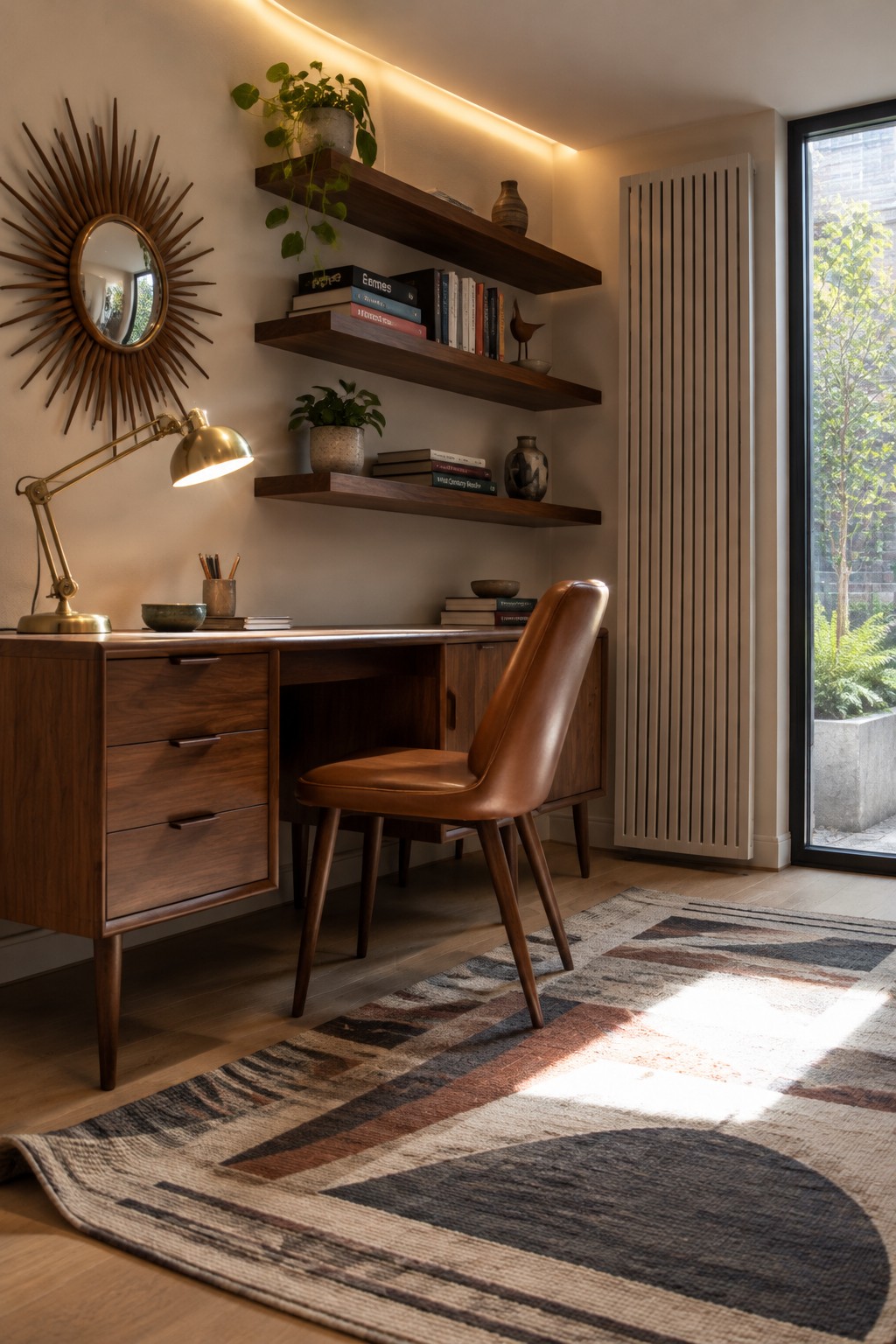
Many home offices end up with either too much glare from a big window or not enough focused light once the sun moves. A simple task lamp on the desk solves that by giving you direct light exactly where you need it while the window keeps the rest of the space from feeling closed in.
This setup works best in rooms that get decent daylight for at least part of the day. Keep the lamp on the side opposite your main hand so it does not cast shadows across the work surface, and let the natural light handle the general brightness.
Layer Task Lighting With Under-Shelf Ambient Light
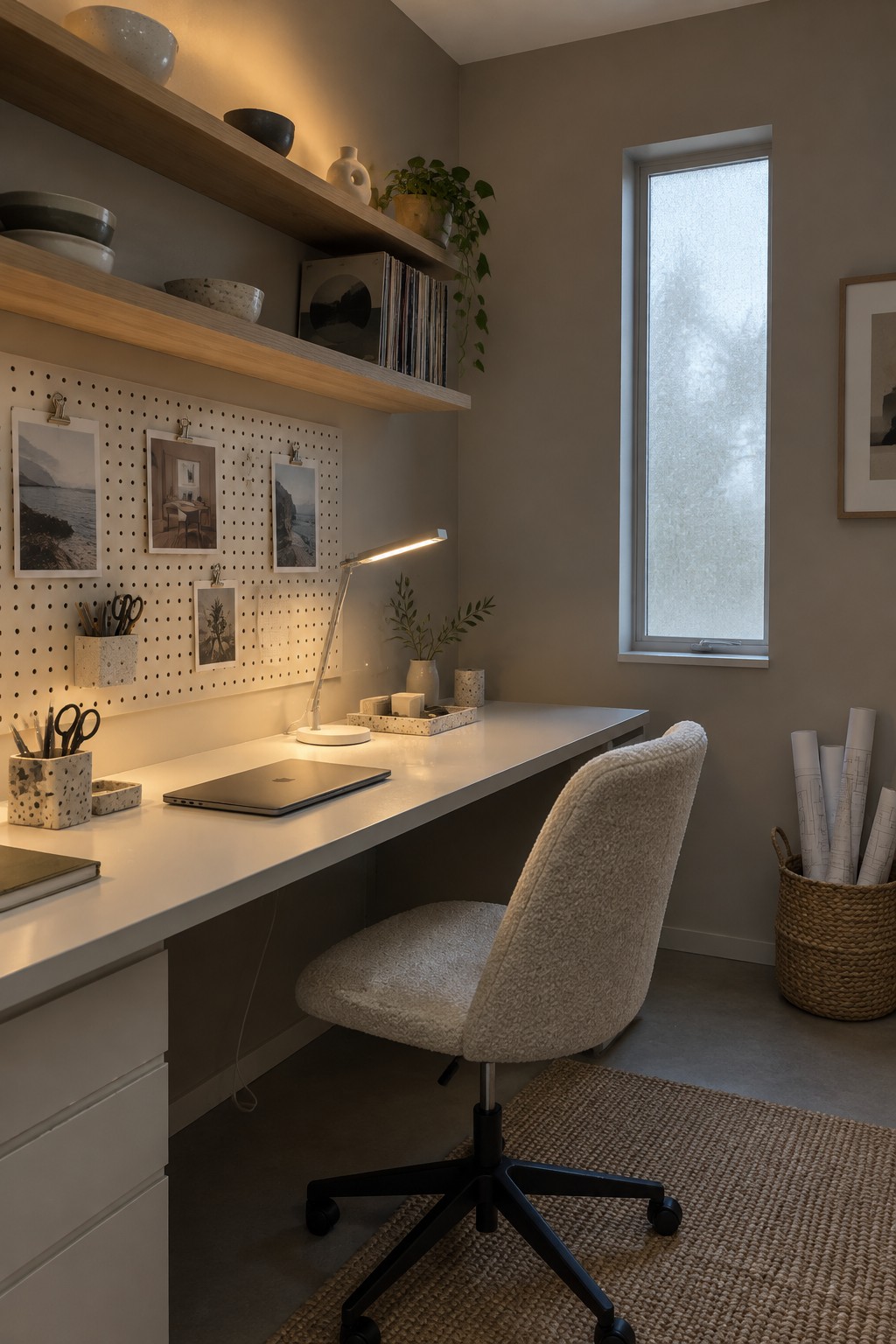
A simple way to get good lighting in a home office is to use both a focused task lamp and a softer source above the desk. The under-shelf lighting spreads a gentle glow across the workspace without feeling harsh, while the desk lamp handles the direct work area. This mix keeps the room from feeling too dim or too bright in one spot.
This setup works well in smaller rooms or spaces where you want the desk to feel inviting rather than clinical. Mount a slim LED strip under a shelf or cabinet, then choose a task lamp with a movable arm so you can adjust it as needed. Just avoid placing the ambient light too low, or it can cast shadows on the work surface.
Mix Pendant Lights with a Desk Lamp

Hanging a few pendant lights over the work area gives a soft layer of ambient light that fills the room without feeling harsh. The desk lamp then handles the focused task work, so you avoid the common problem of one bright spot and dark corners around it. This setup feels especially useful in smaller offices where a single ceiling fixture would fall short.
Place the pendants at slightly different heights so the light spreads more evenly, and choose warm bulbs to keep the space from feeling sterile. It works well in older homes or any room with high ceilings where you can run the cords without crowding the desk surface. Just make sure the pendants do not hang directly in your line of sight when seated.
Add Ambient Light With A Shelf-Mounted LED Strip
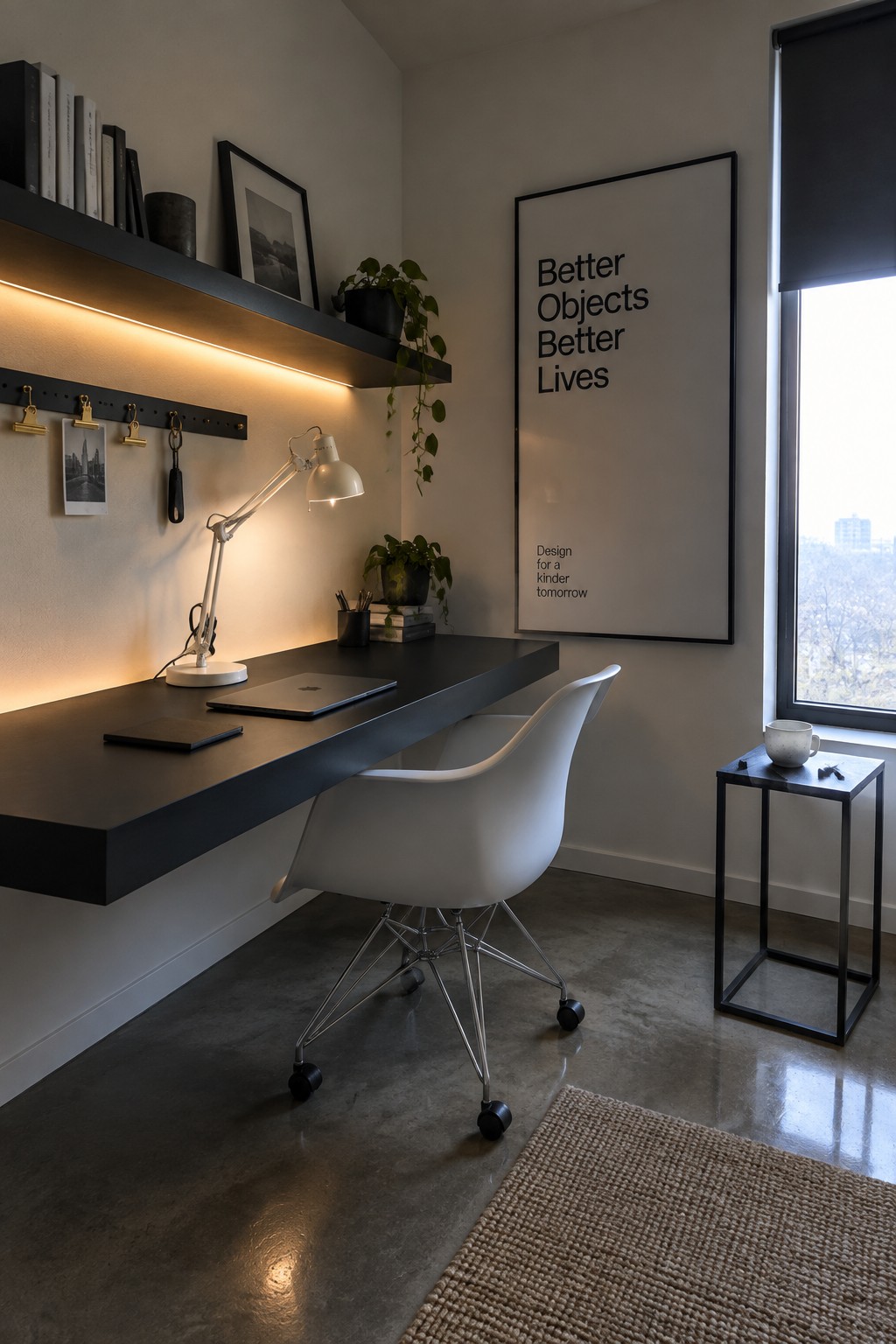
Running a simple LED strip under a floating shelf gives the desk a soft layer of ambient light that fills the space without feeling harsh. It takes the pressure off the task lamp and keeps the whole area from going too dark when you lean back or look away from your work.
This approach suits smaller home offices where ceiling lights can feel too direct. Keep the strip on a dimmer so you can adjust it through the day, and let the task lamp handle the focused work in front of you.
Combine a Desk Lamp with Natural Window Light

A task lamp gives you direct light exactly where you need it for reading or writing. When you place it near a window, the natural light fills the rest of the space and keeps the room from feeling too closed in during the day.
This works best in small built-in desks or narrow nooks where a full overhead fixture would feel heavy. Keep the lamp on the side away from the window so the two sources overlap on the work surface without creating strong shadows.
Pairing Task Lamps With Natural Window Light

A dark home office can easily feel closed in, but a simple task lamp next to a window changes that without adding more fixtures. The lamp gives you direct light for work while the window keeps the room from going flat during the day.
This works best in smaller offices or rooms with only one good source of daylight. Keep the lamp on the desk where you can shift it as needed, and let the window handle the softer background light so the space stays usable from morning into evening.
Layering Task And Ambient Light On A Wall Desk

A wall mounted desk often needs two kinds of light to feel usable. The under shelf LEDs give a steady background glow while the clamp lamp focuses right where you are working. This mix keeps the surface bright enough for papers without turning the whole room into an office.
It works especially well in narrow spaces or converted hallways where you cannot add overhead fixtures. Keep the task lamp adjustable so you can shift it for different jobs and let the shelf lights stay on a separate switch for softer evenings.
Mix Overhead Pendants With A Desk Task Lamp
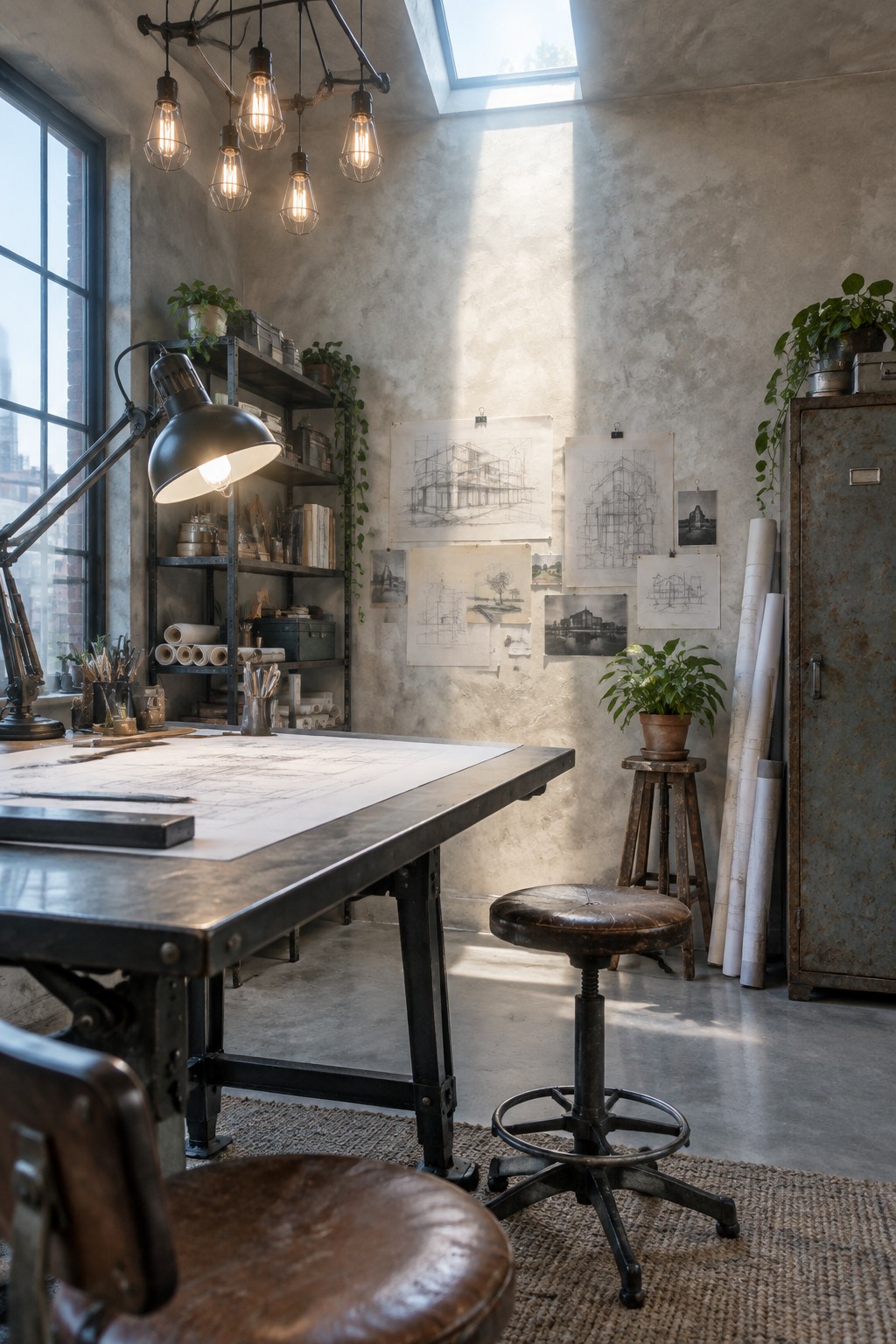
A cluster of hanging lights can handle the overall glow in a workspace while a single strong task lamp takes care of the close work. This mix keeps the room from feeling either too dim or overly bright in one spot. The pendants spread light more evenly across the space, and the desk lamp lets you adjust exactly where you need it most.
This approach works especially well in larger rooms or studios where you spend long hours at a table. It suits homes that already have some natural light from windows or skylights, since the overhead lights can fill in when the sun fades. Just keep the pendants simple so they do not compete with the task lamp for attention.
Pairing A Task Lamp With Ambient Lighting
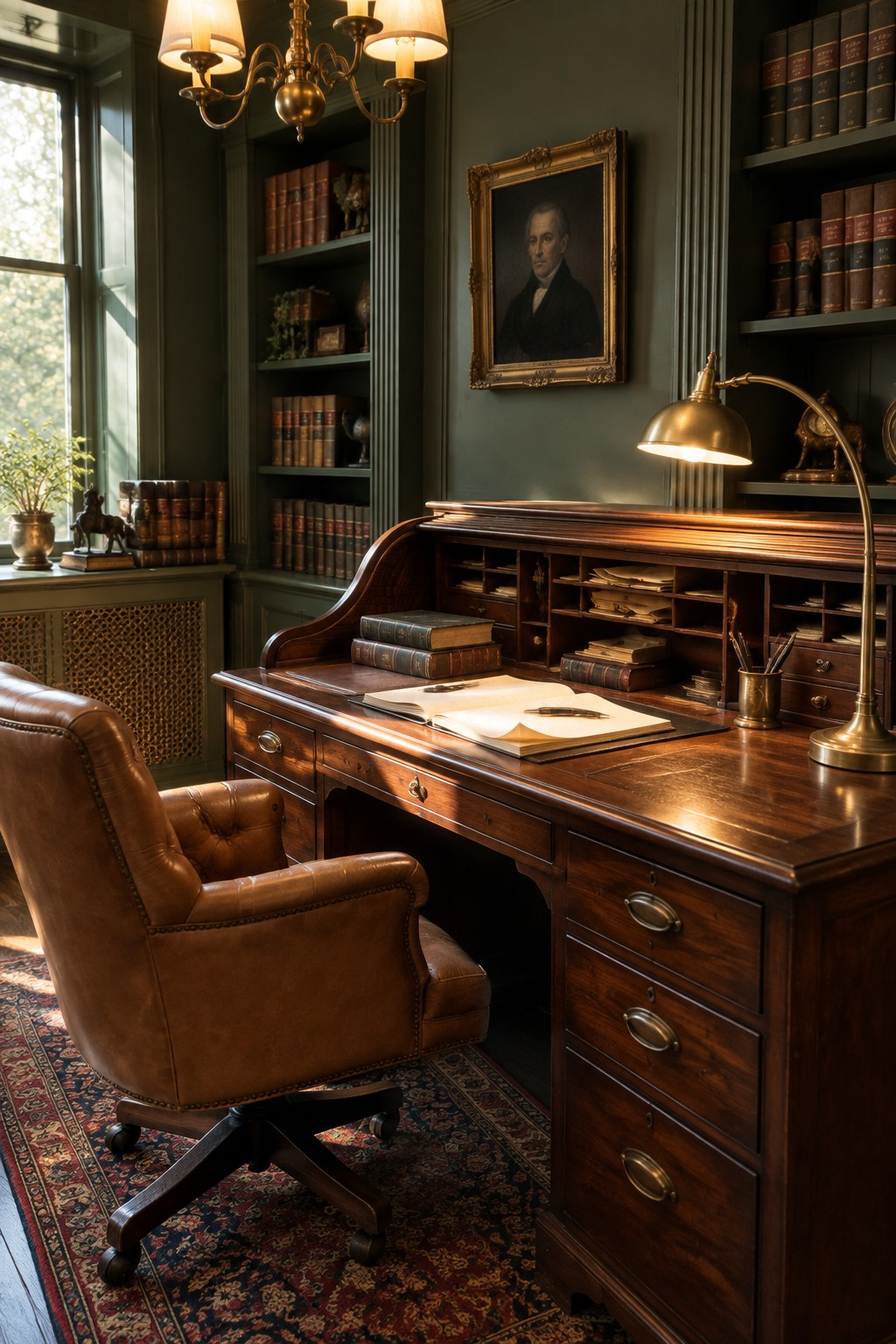
A task lamp on the desk gives you direct light for reading and writing without making the whole room feel harsh. Many people find this mix works better than relying on one light source alone, especially in a room that gets some natural light from a window during the day.
This approach suits older homes with wood desks and built-in shelves. Place the task lamp on one side of the desk so it does not cast shadows on your work, and let a ceiling fixture or chandelier handle the softer background light in the evening.
Using a Paper Lantern for Soft Ambient Light
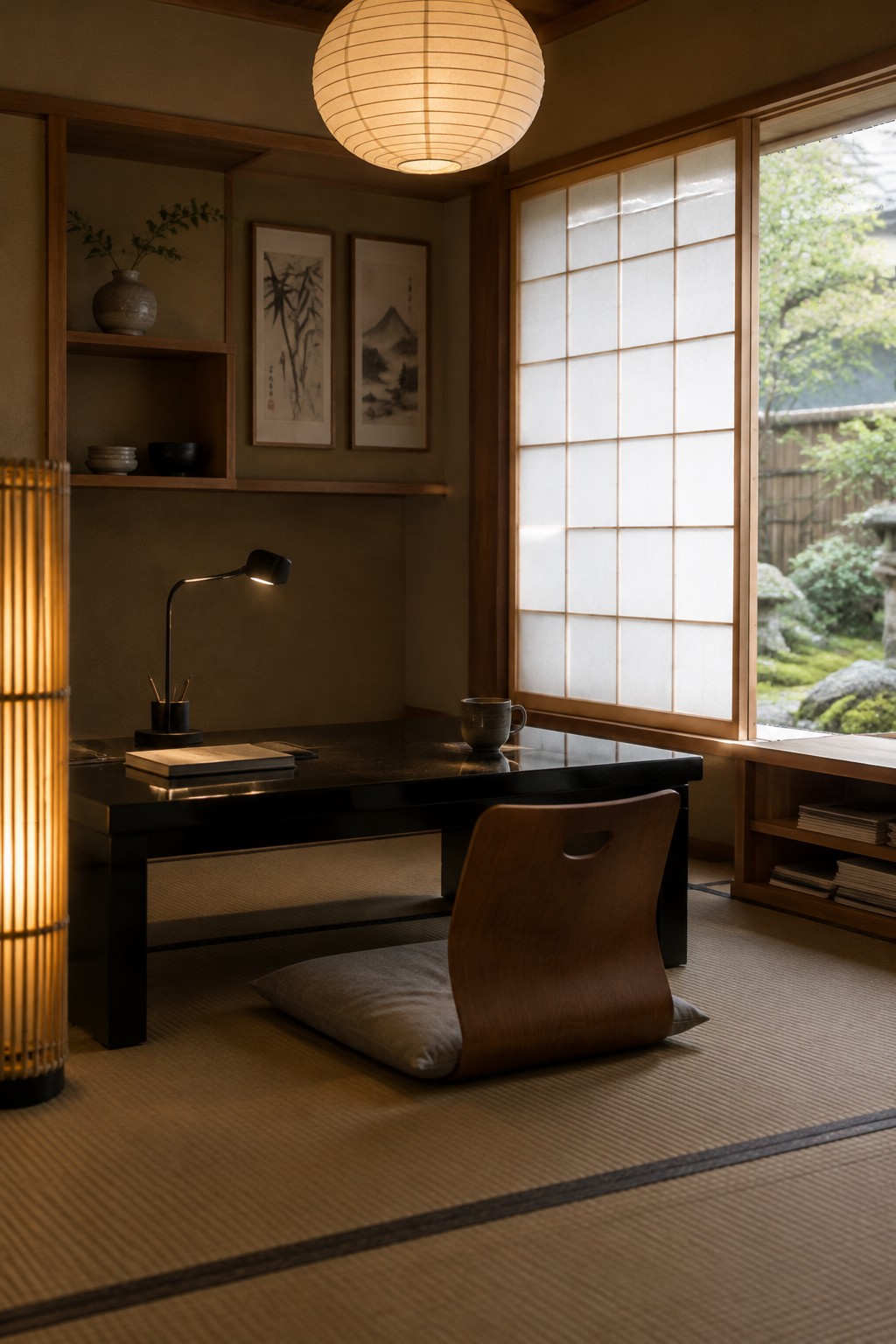
A paper lantern hanging overhead gives a room even, gentle light that fills the space without feeling harsh. In a home office this works well because it creates a calm background while a small task lamp handles the direct work on the desk. The two sources together keep the room from feeling either too dim or too bright in one spot.
This setup suits smaller offices or spaces where you want warmth without adding more ceiling fixtures. Place the lantern so it sits above the main seating area and keep the task lamp adjustable so you can move it as the light outside changes.
Combine Task Lamps with Ambient Overhead Lighting
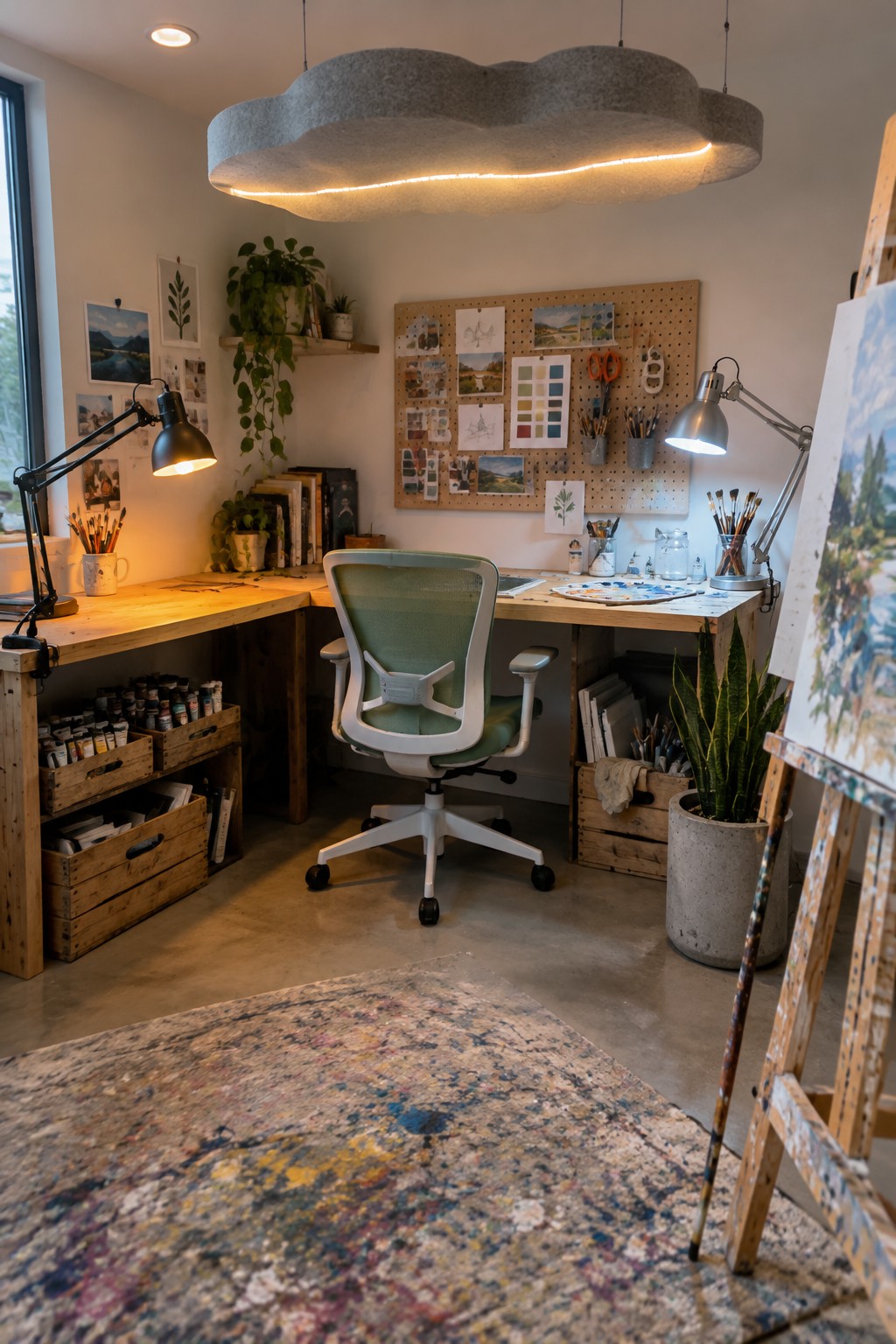
A big overhead fixture that spreads soft light across the whole room makes the space feel open and easy to work in. Adding a couple of adjustable task lamps on the desk then gives you direct light where you need it for drawing, writing, or screen work without having to light up everything at full brightness.
This setup works well in any home office or creative space that gets used for long stretches. Place the overhead light so it covers the general area evenly, then keep the task lamps focused on the main work surface. It avoids the flat look of one single light source and keeps things practical for different tasks throughout the day.
Pair a Task Lamp with Wall Sconces
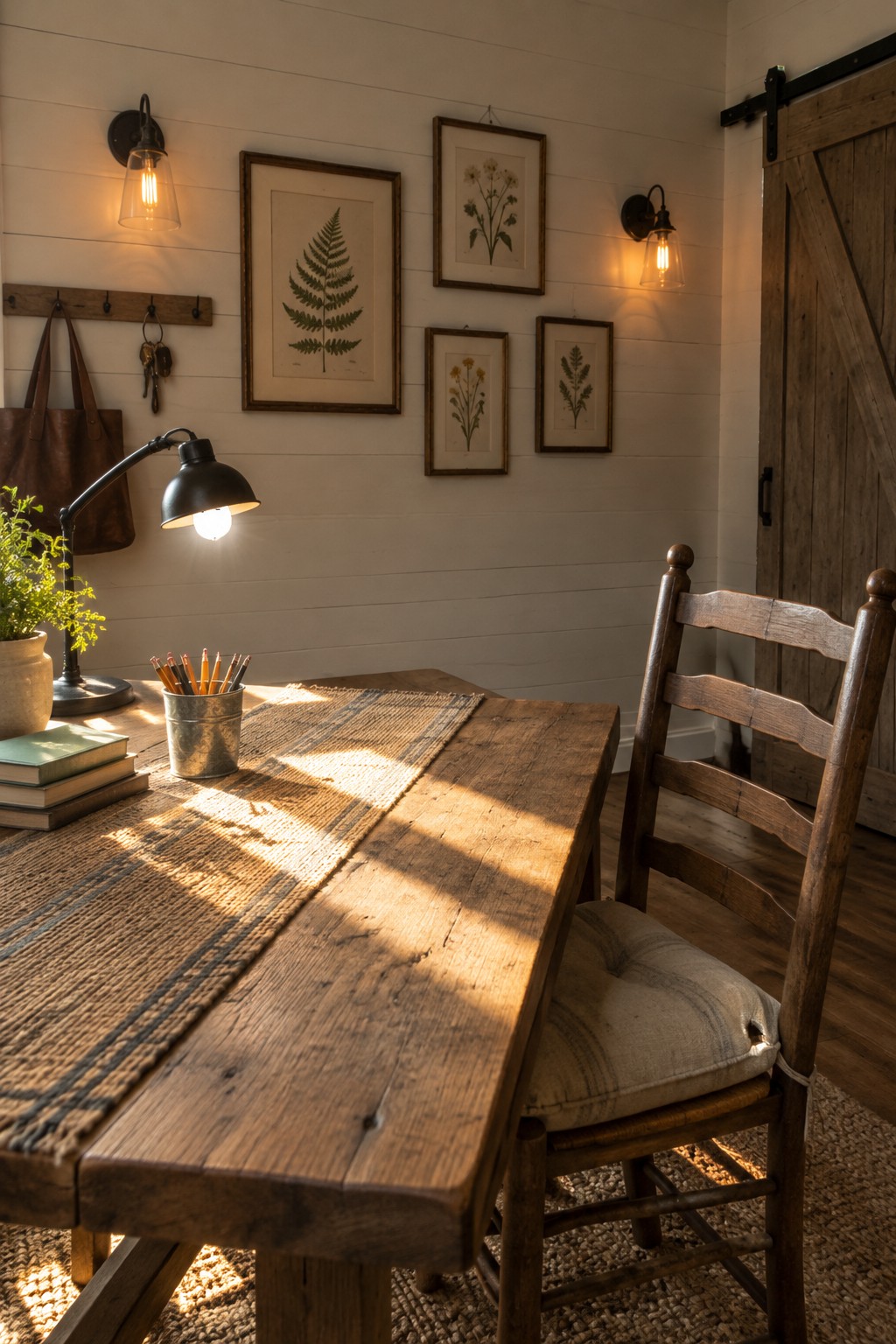
One simple way to get good light in a home office is to combine a focused task lamp on the desk with wall sconces mounted around the room. The task lamp handles the direct work area while the sconces add a gentler layer of light that keeps the whole space from feeling dim or uneven.
This approach suits smaller offices or rooms with light-colored walls that bounce light around easily. Keep the sconces at a height that avoids glare on screens and angle the task lamp so it hits your work surface without shining straight into your eyes.
Combining Task Lamps With Recessed Lights
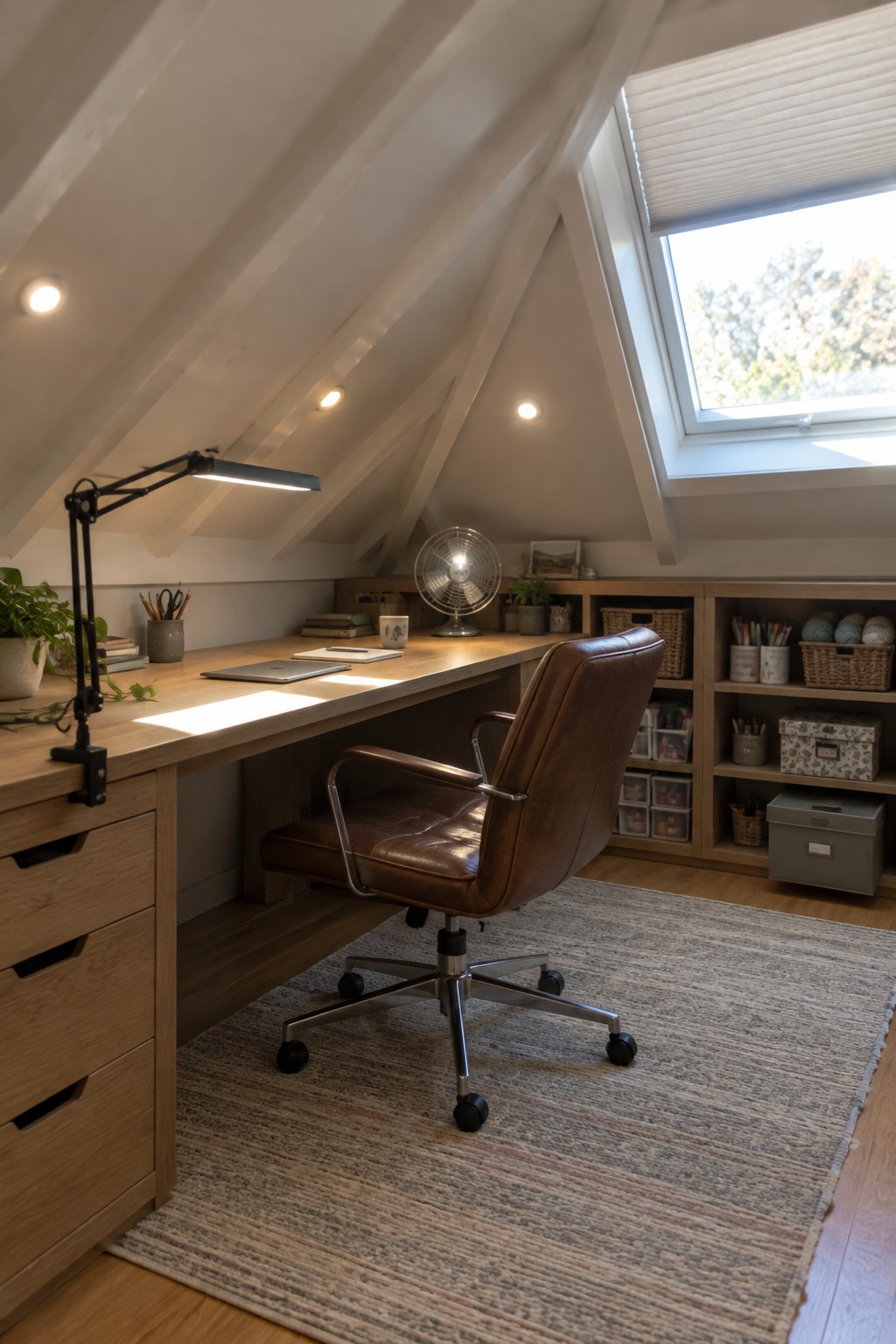
A task lamp next to recessed ceiling lights gives you control over where the bright light lands without making the whole room feel harsh. In an attic office with a sloped ceiling, the desk lamp handles the work surface while the overhead fixtures keep the rest of the space from going dark. This mix works because each light does its own job instead of competing.
Place the task lamp so the beam hits your papers or keyboard directly, then let the recessed lights run at a lower level for general glow. It suits smaller offices or rooms tucked under the roof where one big light source would feel too strong or create shadows. Keep the lamp arm adjustable so you can shift it as needed throughout the day.
Balancing Task Lamps With Overhead Ambient Light
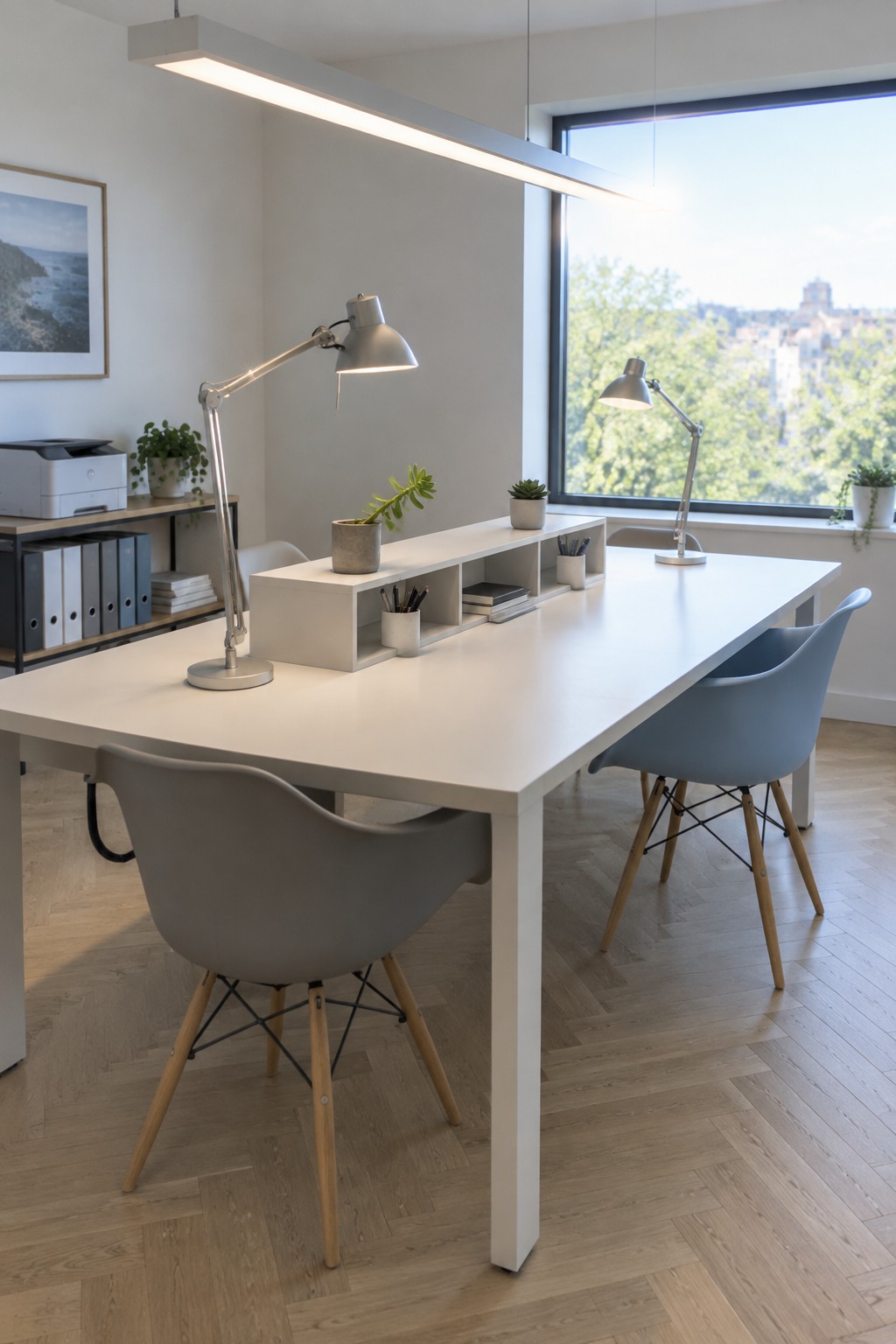
Many home offices end up with either too much glare from a single source or dark spots that make long work hours harder. A long overhead fixture running the length of the desk gives steady background light while individual task lamps let you aim light exactly where you need it.
This approach works well in rooms with big windows or shared desks. Keep the overhead light simple and bright enough to fill the space, then add two or three adjustable lamps so each user can tweak their own area without turning on every light in the room.
Layer a Desk Lamp with Soft Shelf Lighting
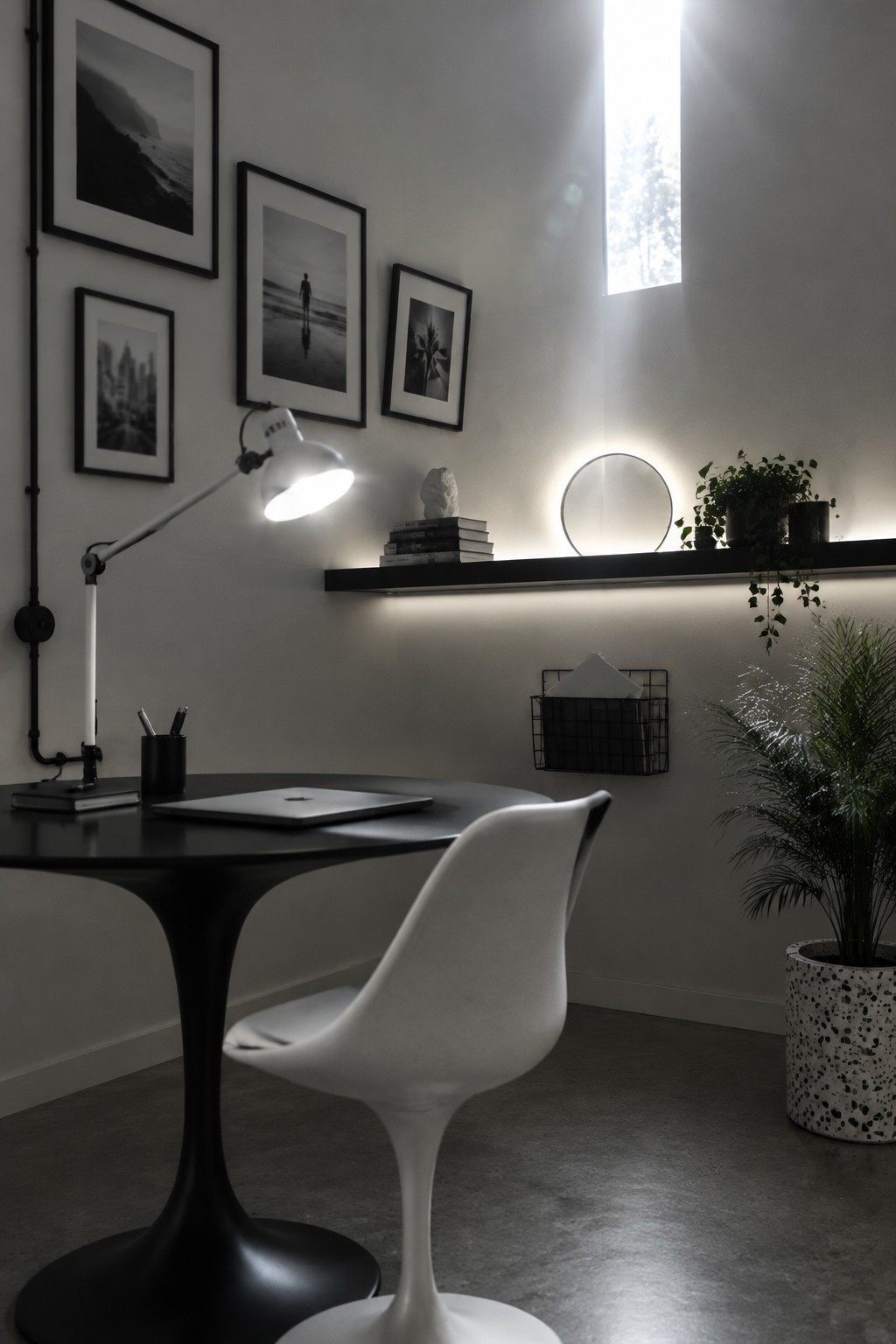
A focused task lamp gives you the bright, direct light you need for reading and working, but it can feel harsh on its own. Adding a gentle wash of light from behind the desk softens the contrast and keeps the whole space from feeling too stark or clinical.
This approach works especially well in smaller offices or rooms with limited windows. Place the shelf light on a dimmer so you can adjust it for different times of day, and keep the task lamp movable so you can angle it exactly where you need it. The key is letting the two sources complement each other instead of competing.
Pairing Task Lamps With Ambient String Lights
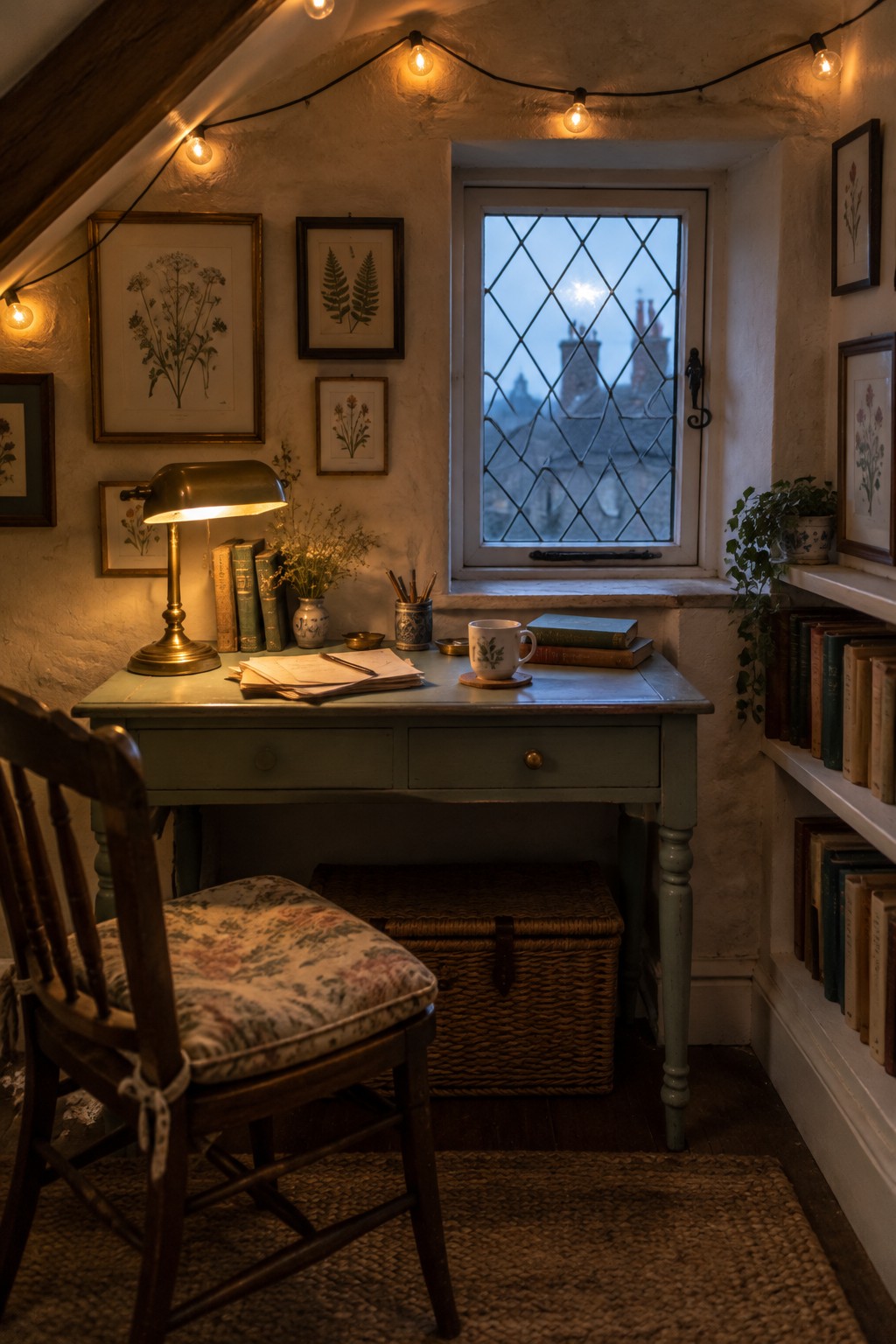
A simple desk lamp can handle the focused work while a few strands of lights overhead fill in the rest of the room. This mix keeps the surface bright enough for reading and writing without leaving the rest of the space in shadow.
It suits small offices or tucked-away corners where one ceiling light would fall short. Run the strings along the wall or rafters and keep the task lamp on the desk itself. Make sure the overhead lights stay dim so they do not compete with the lamp.
Frequently Asked Questions
Q: How do I stop shadows from hitting my keyboard when I lean forward? A: Angle the task lamp slightly from the side rather than straight on. Move it back a few inches until the light clears your shoulders. This setup keeps the surface lit without dark spots.
Q: What if the room feels dim once I turn off the overhead light? A: Add a small lamp on a side table across from your desk. It spreads a gentle glow that supports the task light. You end up with even coverage that feels natural.
Q: Should I dim the ambient light at night? A: Yes. Lower it to match the task lamp’s output. This keeps the contrast gentle on your eyes.
