

When spare rooms sit unused for months, it becomes clear that the real issue is often layout rather than size.
Corners can turn into workable offices once the desk faces the right direction and storage stays low enough to keep the space open.
I usually test a simple tape outline on the floor first because that shows whether daily movement will feel natural before anything gets moved in.
Lighting and a single clear surface matter more than people expect, since both affect how long the room stays comfortable during actual work hours.
A few setups hold up better than they look on paper.
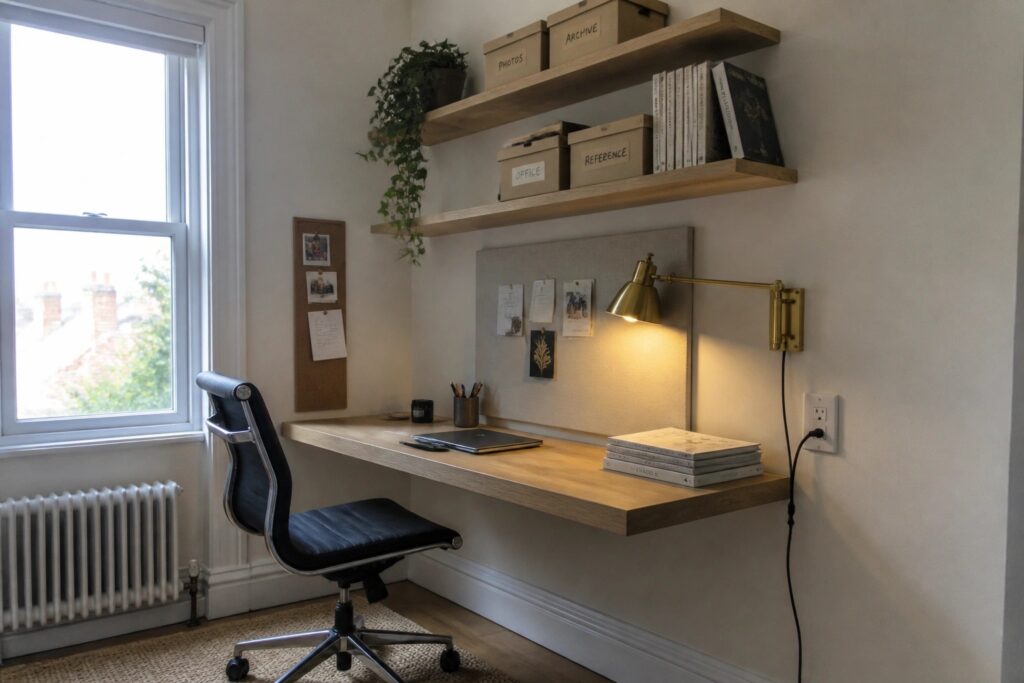
Add Overhead Shelves To A Corner Desk

One simple way to fit a workspace into a small room is to place a desk in the corner and run floating shelves right above it. This keeps papers, books, and supplies off the floor while still leaving room to move around.
It suits spare bedrooms or narrow alcoves where a full cabinet would take up too much space. A wall-mounted light helps too, since it frees the desk surface for actual work.
Built-Ins Add Storage Above a Small Desk
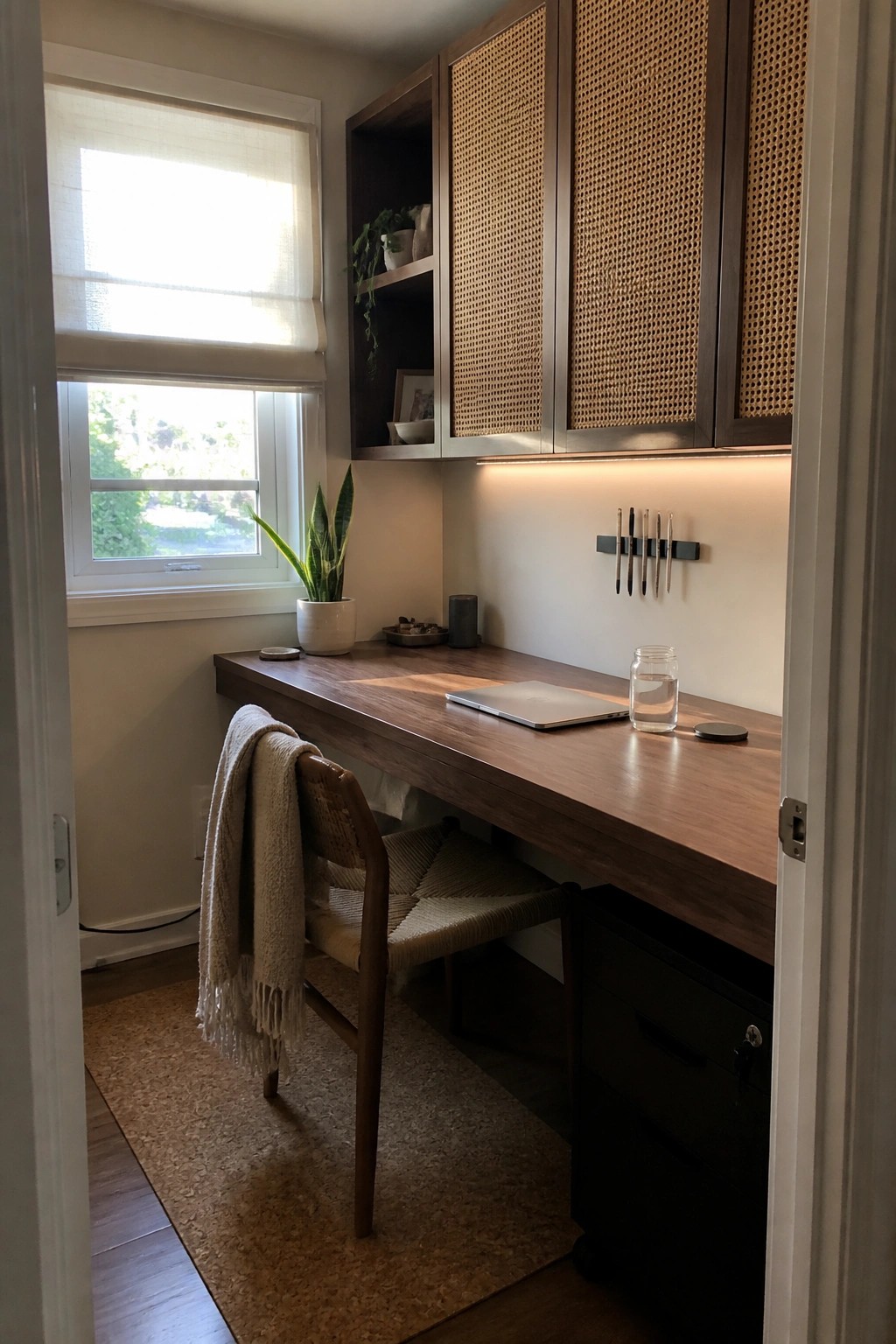
Many tight office corners end up cluttered because there is nowhere to put everyday items out of sight. Cabinets mounted right over the desk give you that space without taking up floor room or making the area feel smaller.
This works best in spare rooms or narrow nooks where wall space is available. Doors with a simple woven texture keep the look light, and a strip of lighting underneath helps the desk stay usable even when natural light is low.
Use A Ladder Shelf Desk In A Small Office
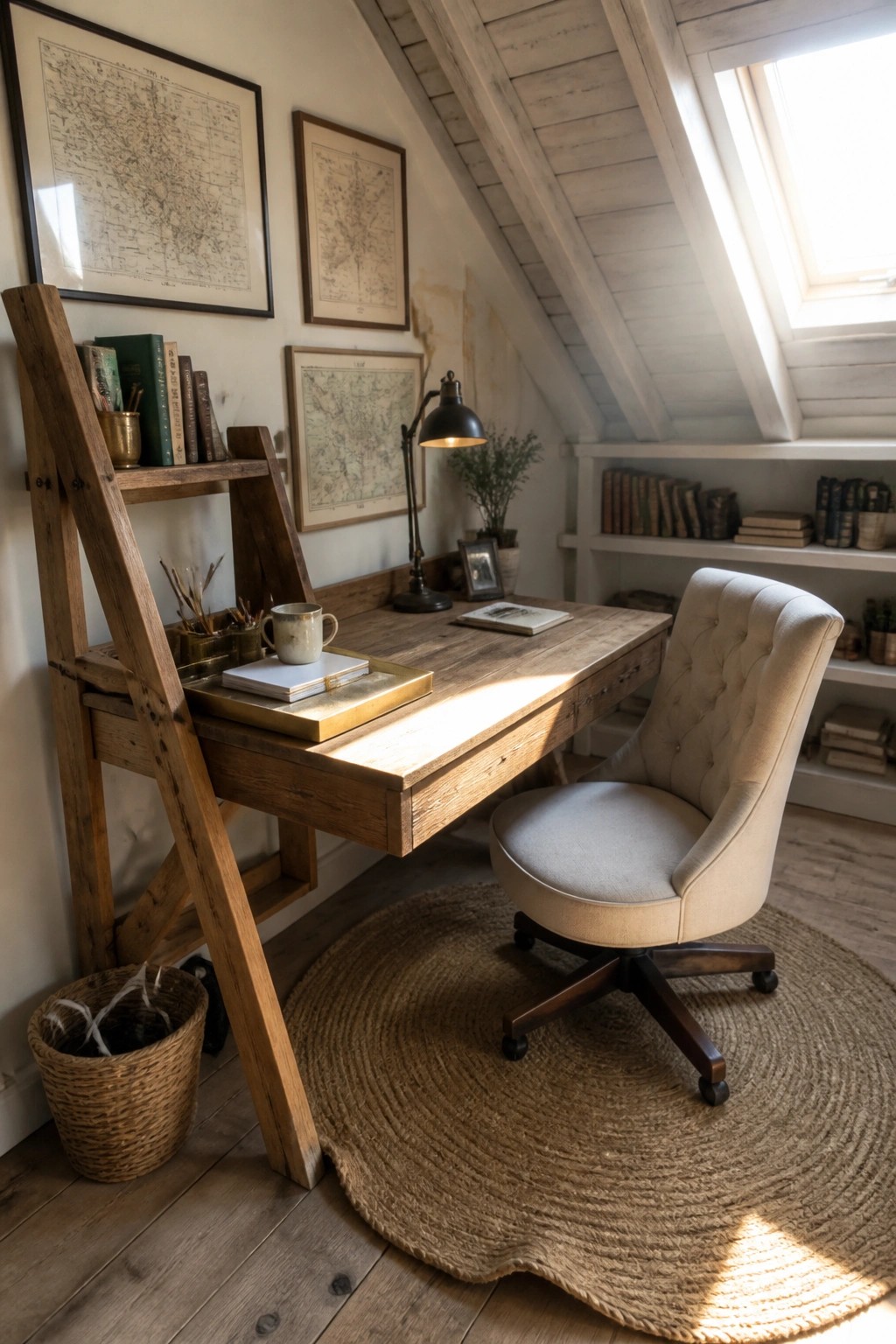
A desk with built-in ladder shelves gives you both a work surface and storage in one piece. That setup works especially well when floor space is limited because the vertical shelves keep books and supplies off the desk without needing a separate bookcase.
This style fits attic rooms or narrow spare corners where a standard desk would feel too bulky. Place it against the wall so the chair has room to swivel, and keep the top clear except for a lamp and a few daily items.
Use Floating Shelves Above a Corner Desk
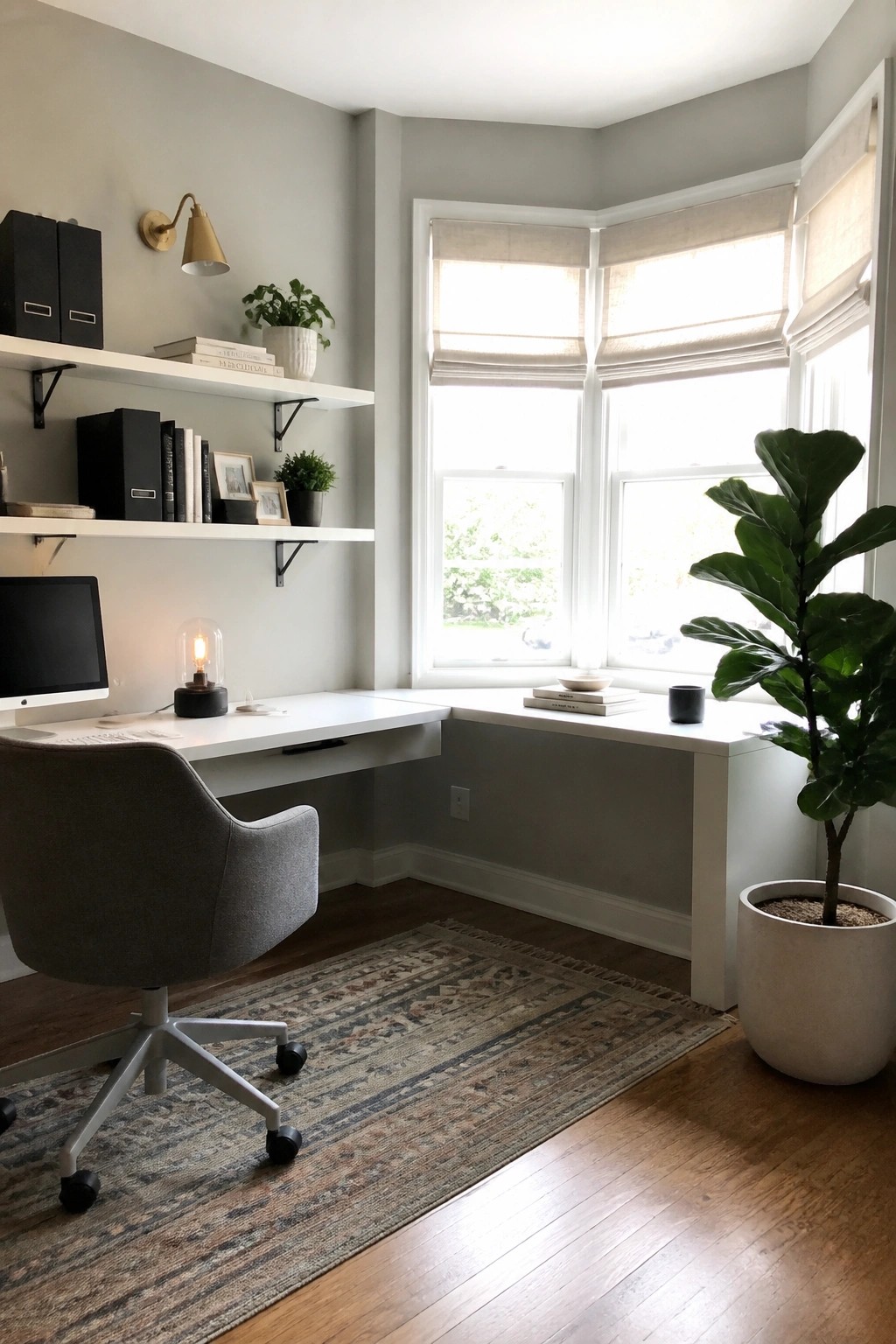
Floating shelves above a desk give you useful storage without crowding the floor in a small office. This keeps the space open and makes it easier to move around the chair or add a plant or two later. It works especially well when the desk already runs along two walls in a tight corner.
Install the shelves at a height that clears your monitor and still keeps everyday items within reach. This approach suits spare rooms or alcoves where you want storage but do not want to add bulky cabinets. Stick to a simple bracket style so the shelves feel light rather than heavy.
Built-In Shelves For Small Office Corners
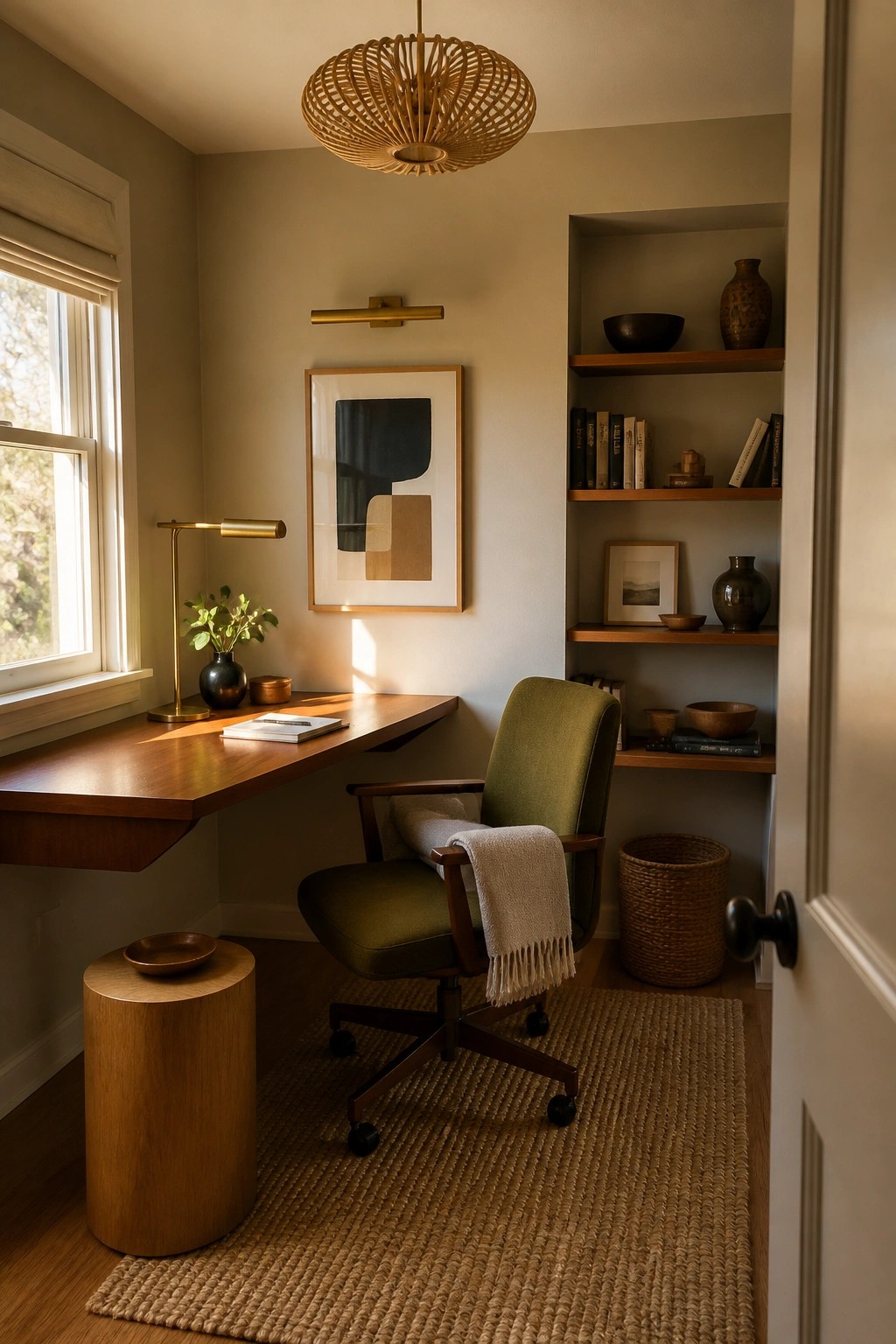
Built-in shelves set into a wall niche give a small office useful storage without taking up floor space. This setup works well because the shelves sit flush with the wall, so the room still feels open even when you add quite a few books and supplies.
It suits spare rooms or tight corners where a freestanding bookcase would crowd the desk area. Keep the shelves at a comfortable reach from the chair and leave some open wall above the desk so the space does not feel closed in.
Add Labeled Bins to Open Shelving
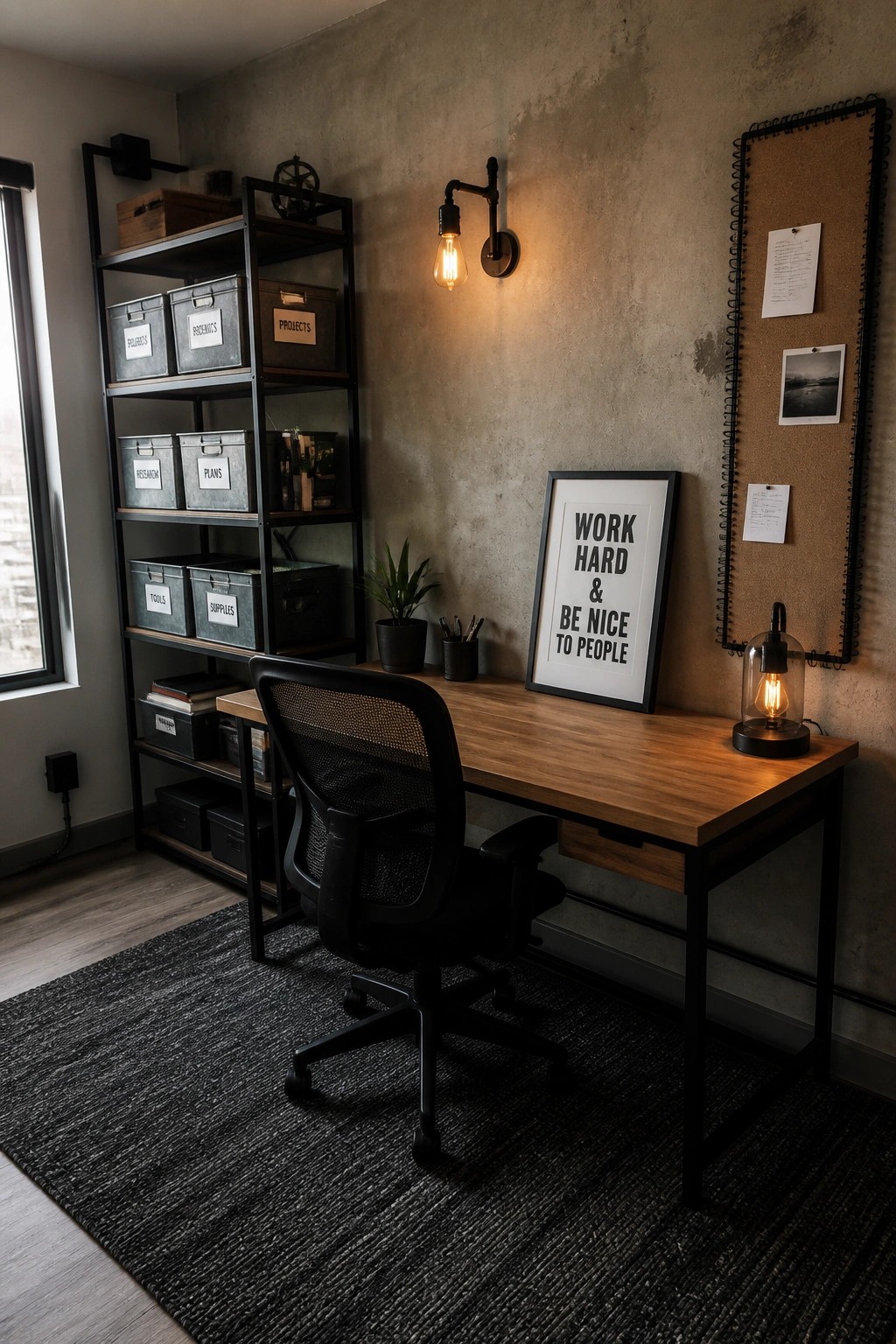
Open shelving with labeled bins gives a small office a practical way to stay organized without hiding everything behind doors. The bins keep supplies sorted by type and make it easy to see what is on hand, which helps the space feel less cramped even when storage is limited.
This approach works best in spare rooms or narrow corners where floor space is tight. Stick to uniform bins and clear labels so the shelves stay neat and the room can still function as a workspace rather than just a storage area.
Fit a Desk Into a Tight Corner
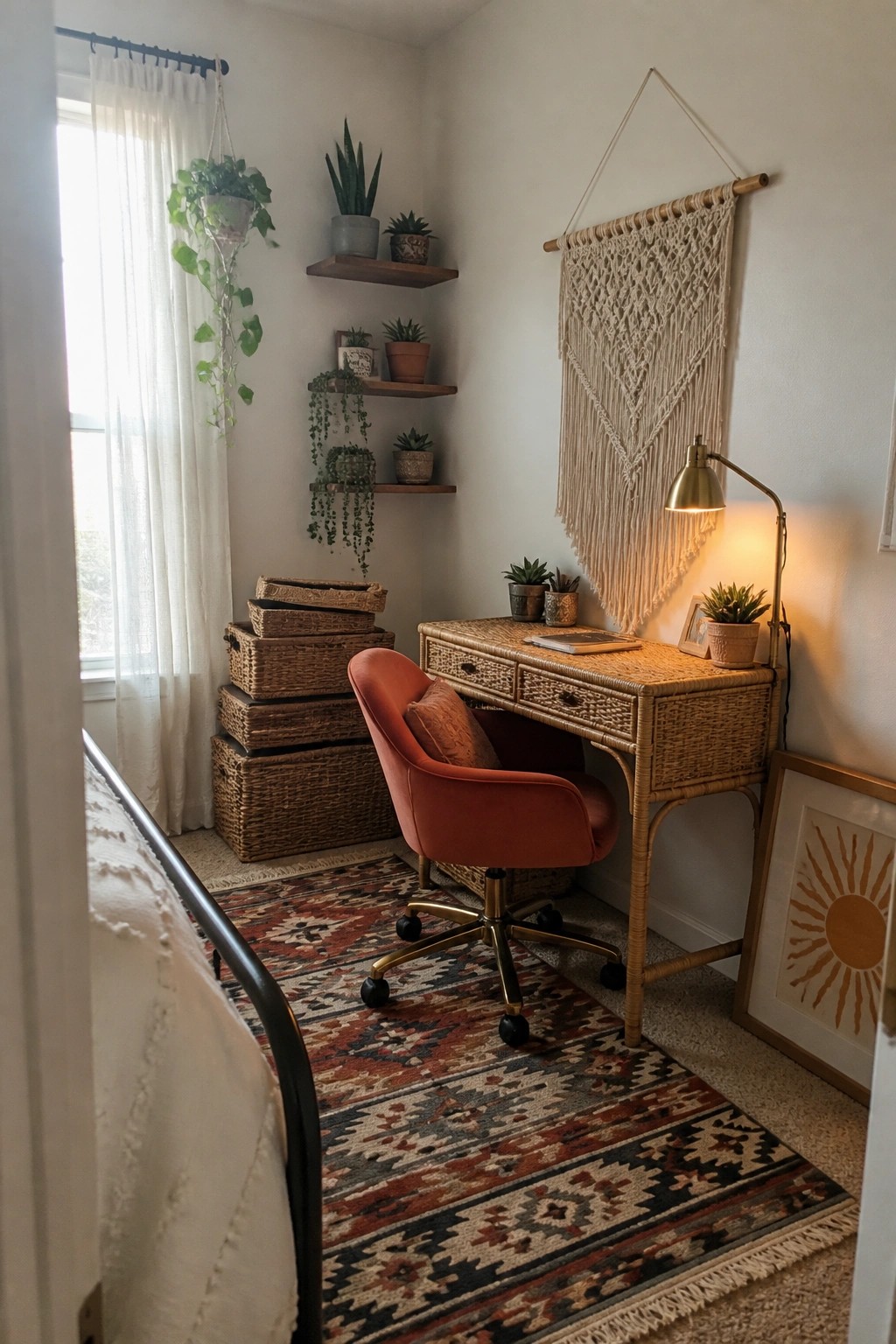
A narrow desk placed against the wall in a corner makes good use of space that often goes unused. It gives you a clear work surface without blocking the flow of the room or requiring a larger piece of furniture.
Floating shelves above the desk add storage for supplies or plants while keeping the floor clear. This works especially well in a bedroom or spare room where you want a simple workspace that does not take over the whole area.
Mount A Desk To The Wall
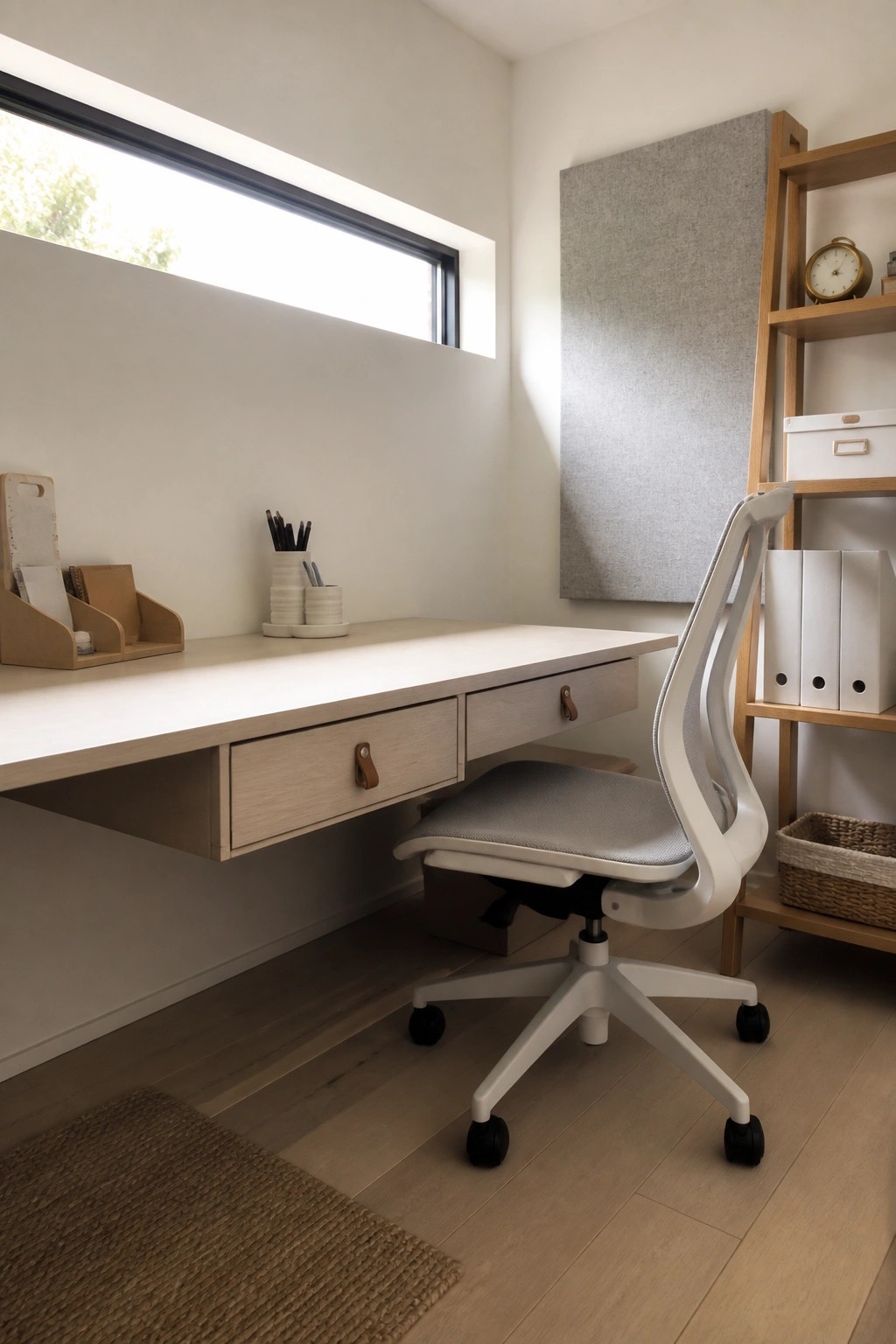
A wall-mounted desk takes up almost no extra floor space, which makes it one of the easiest ways to fit a workspace into a small spare room or awkward corner. The open area underneath keeps the room from feeling boxed in and gives you room to tuck a chair away when you need the floor clear.
This setup works best under a window or along a long wall where you can still get natural light. Keep storage simple with one tall shelf unit off to the side so everything stays organized without crowding the floor.
Shelves Above the Desk Add Storage in Small Offices

Placing open shelves directly over a desk is a simple way to gain storage in a tight office space. The shelves hold books, jars, and a few decorative items without taking up any floor area, which keeps the room feeling open even when the desk and chair fill most of the corner.
This setup works well in spare rooms or alcoves where wall space is available but square footage is limited. Keep the shelves fairly shallow so they do not overhang the desk too much, and use baskets or stacks of books to hold smaller supplies.
Built-Ins That Fit A Workspace Into A Narrow Room
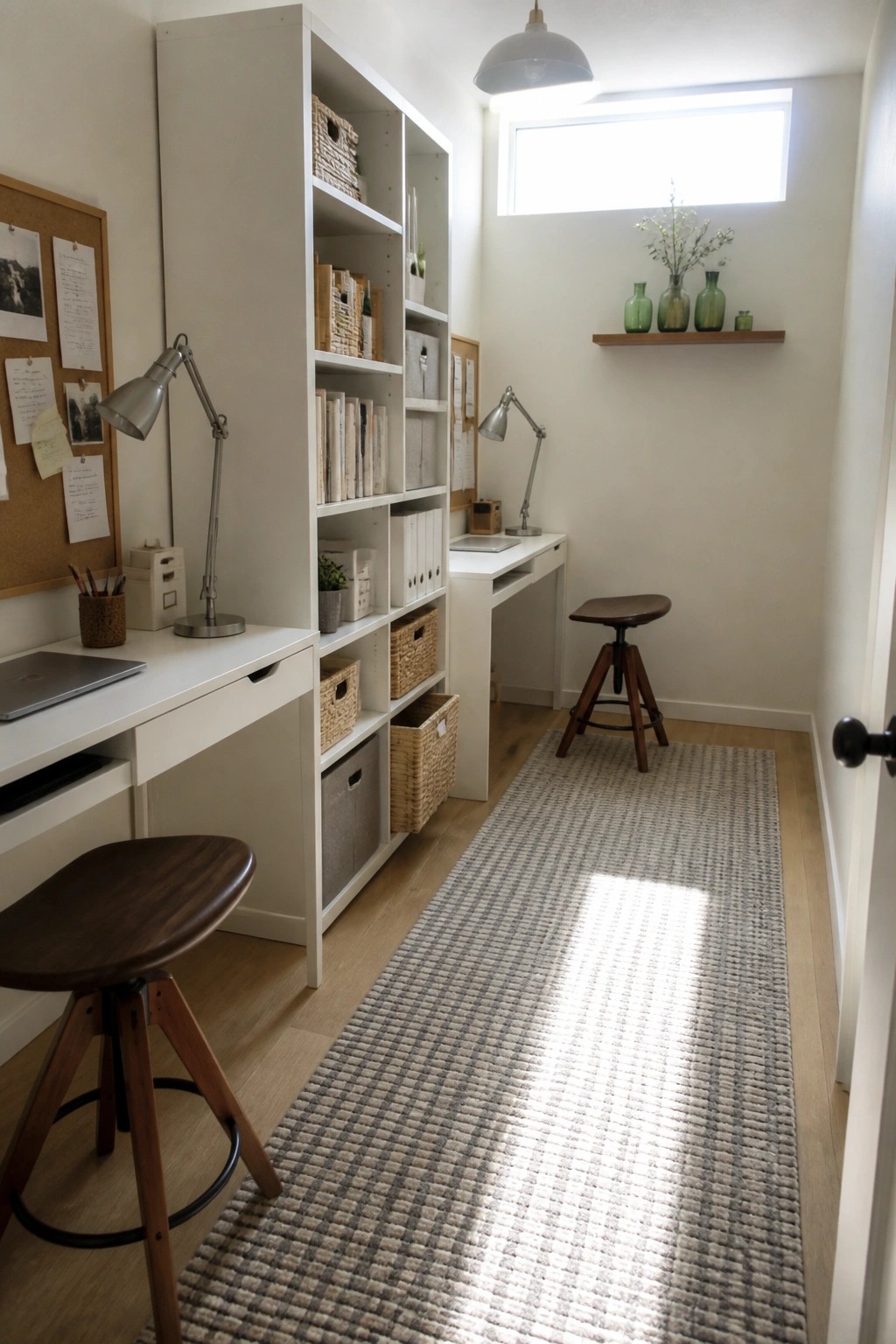
A long built-in unit running the full length of the room turns a tight space into a working office without crowding the floor. The shelves hold books, bins, and supplies while the desk surface stays clear for daily use, and the light color helps the whole area feel less closed in.
This approach suits hallways, small bedrooms, or leftover corners where regular desks would feel too bulky. Keep the seating simple with a couple of stools so the setup stays flexible, and make sure there is enough clearance for walking through.
Wall Mount A Desk To Free Up Floor Space

A wall mounted desk gives you a workspace in a small corner without taking over the floor. It leaves room to move around and keeps the area from feeling crowded even in a spare room.
This works well in any tight spot with a nearby outlet and some natural light. Add a narrow shelf above for a lamp and basic supplies so the whole setup stays simple and practical.
Peg Rails Keep Small Desks Organized
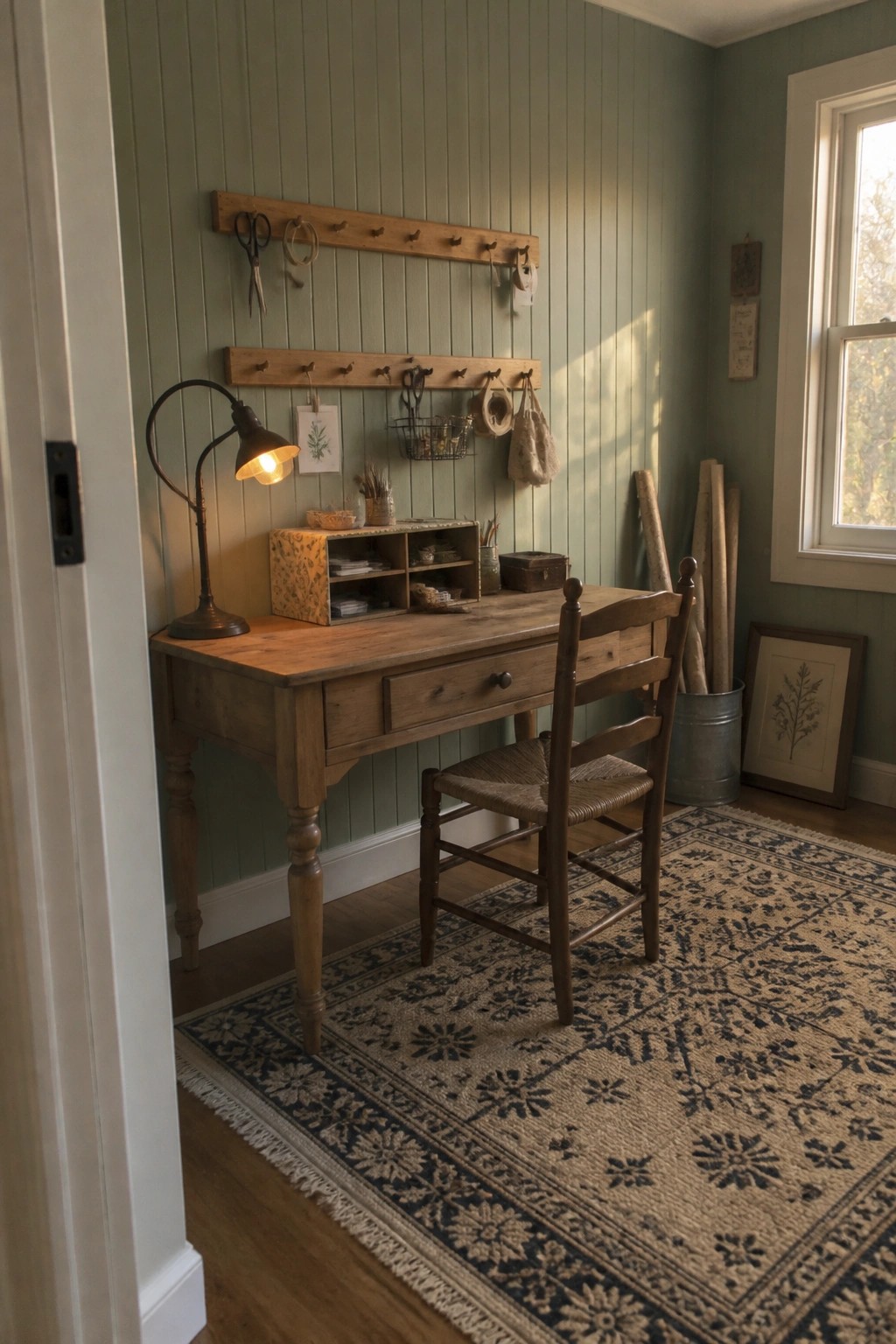
Peg rails give you a simple way to add storage without crowding the floor. They work especially well in tight corners where a desk already takes up most of the space, letting you hang scissors, baskets, and small supplies right above the work surface.
This setup suits spare rooms or narrow spots that need to stay practical rather than pretty. Screw one or two rails to the wall studs, keep the hooks at a reachable height, and only hang what you reach for often.
Built-Ins Turn A Narrow Nook Into A Workspace
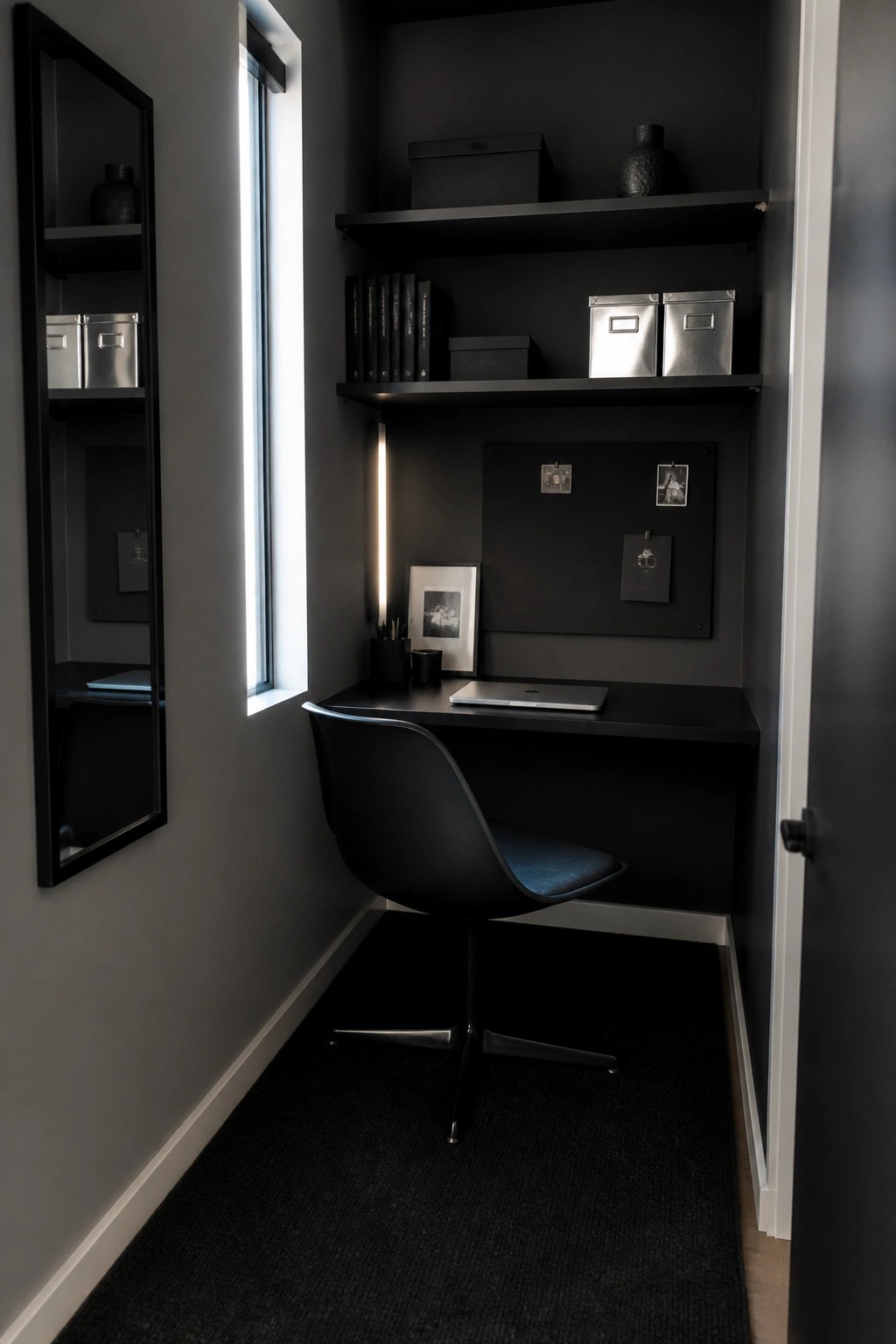
A narrow space works better as an office when you build shelves right into the walls above the desk. This adds storage without eating into floor space, so the room stays open enough to move around.
It fits spare rooms or leftover corners that would otherwise sit empty. Keep the palette simple and make sure the chair tucks in fully when not in use.
Built-Ins Turn Spare Rooms Into Workspaces
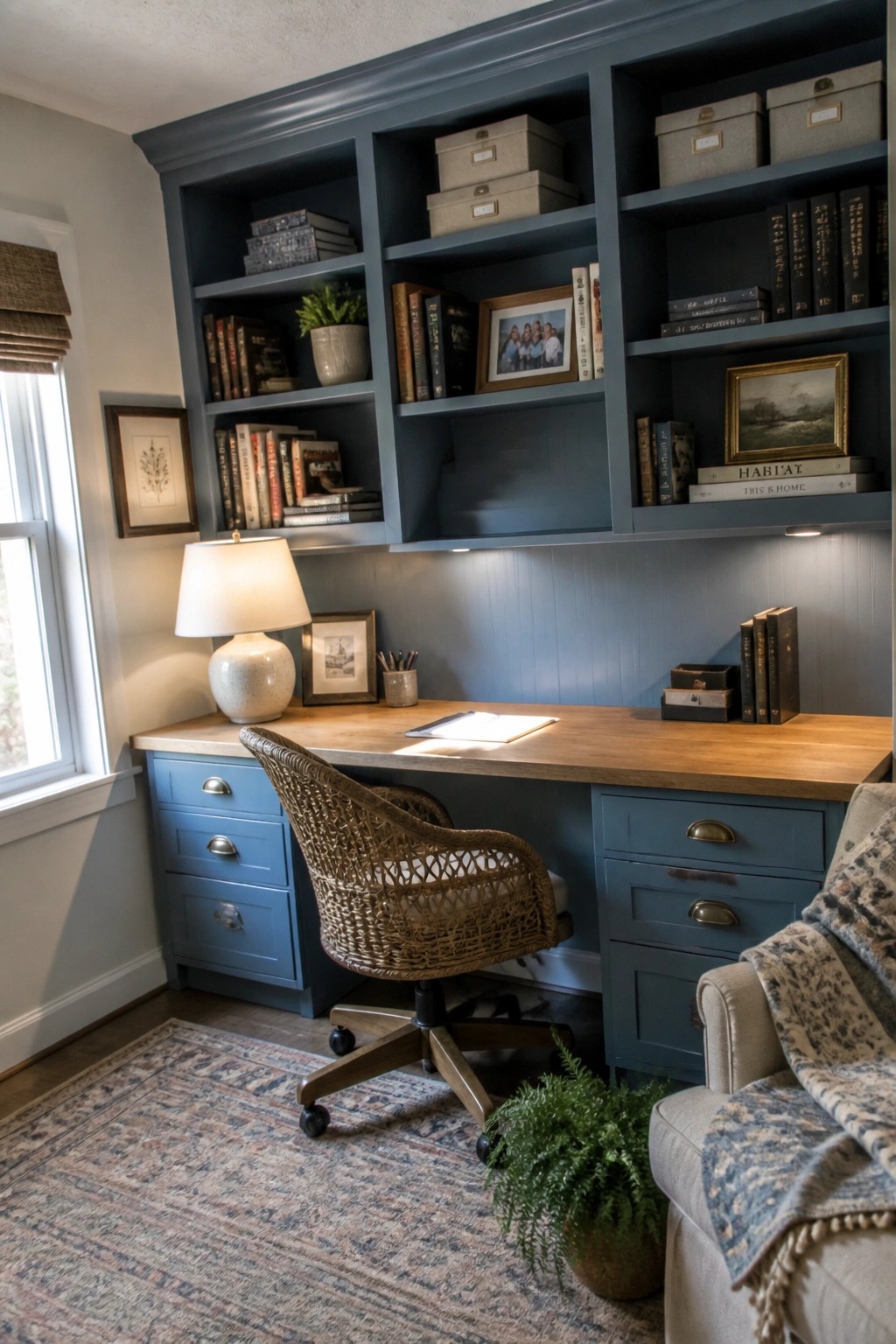
Built-ins can turn a small or awkward room into a real workspace without crowding the floor. The shelves and cabinetry wrap around the desk area so books, files, and supplies stay close at hand while the surface stays clear for daily work.
This setup suits older homes with odd corners or any spare room that needs to feel purposeful. Keep the desk height standard and leave a little breathing room around the chair so the space does not feel cramped.
Tuck a Low Desk Into a Window Alcove
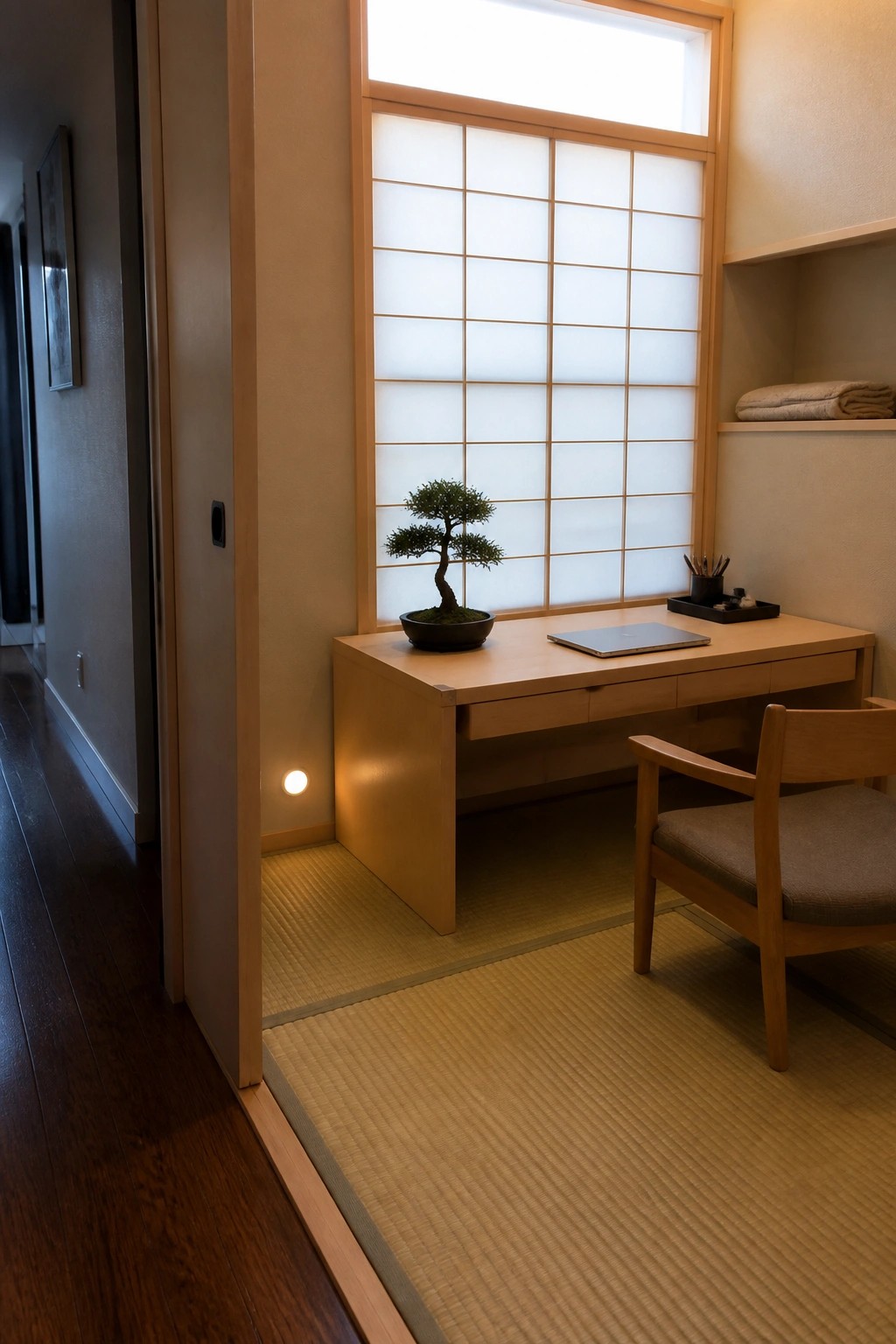
A low desk set right against a window works well in a small room because it keeps the floor space open and lets the light do most of the work. The shoji screens soften the daylight without needing extra curtains or blinds, so the corner stays bright but calm.
This setup suits a spare room or tight hallway alcove where a full desk would feel too big. Keep the surface clear except for a few daily items and choose a simple chair that can tuck away when the space needs to double as something else.
Built-Ins Add Storage Without Crowding a Small Desk
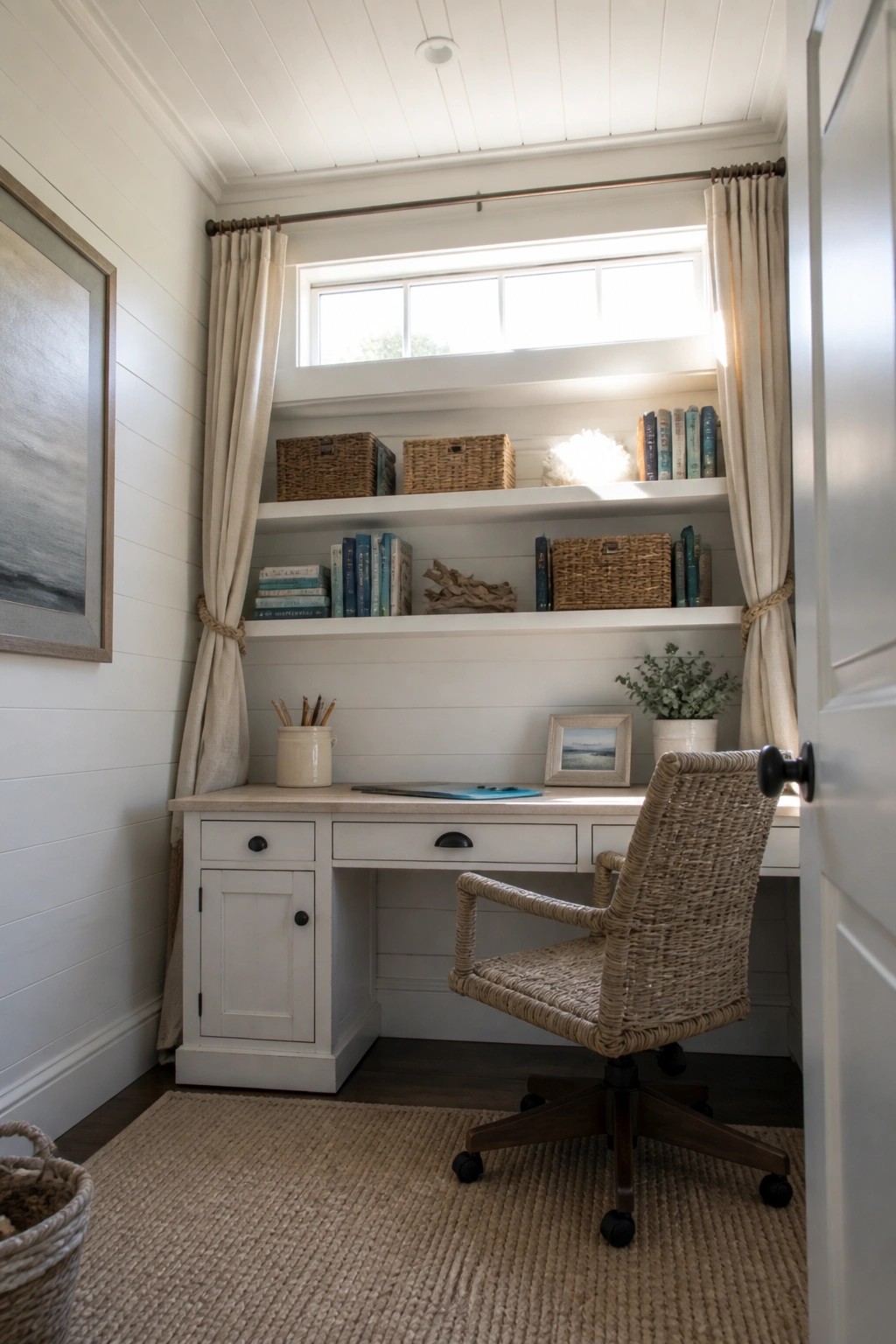
Built-in shelves above a desk give you room for books, baskets, and supplies while keeping the floor clear. This setup works especially well in narrow spare rooms or corners where a freestanding bookcase would feel too big.
It suits homes that need a simple workspace without major construction. Keep the shelves shallow so they do not overhang the desk, and use baskets to hide smaller items. The curtains can stay if you want to soften the light.
Fold Down Desks That Tuck Away
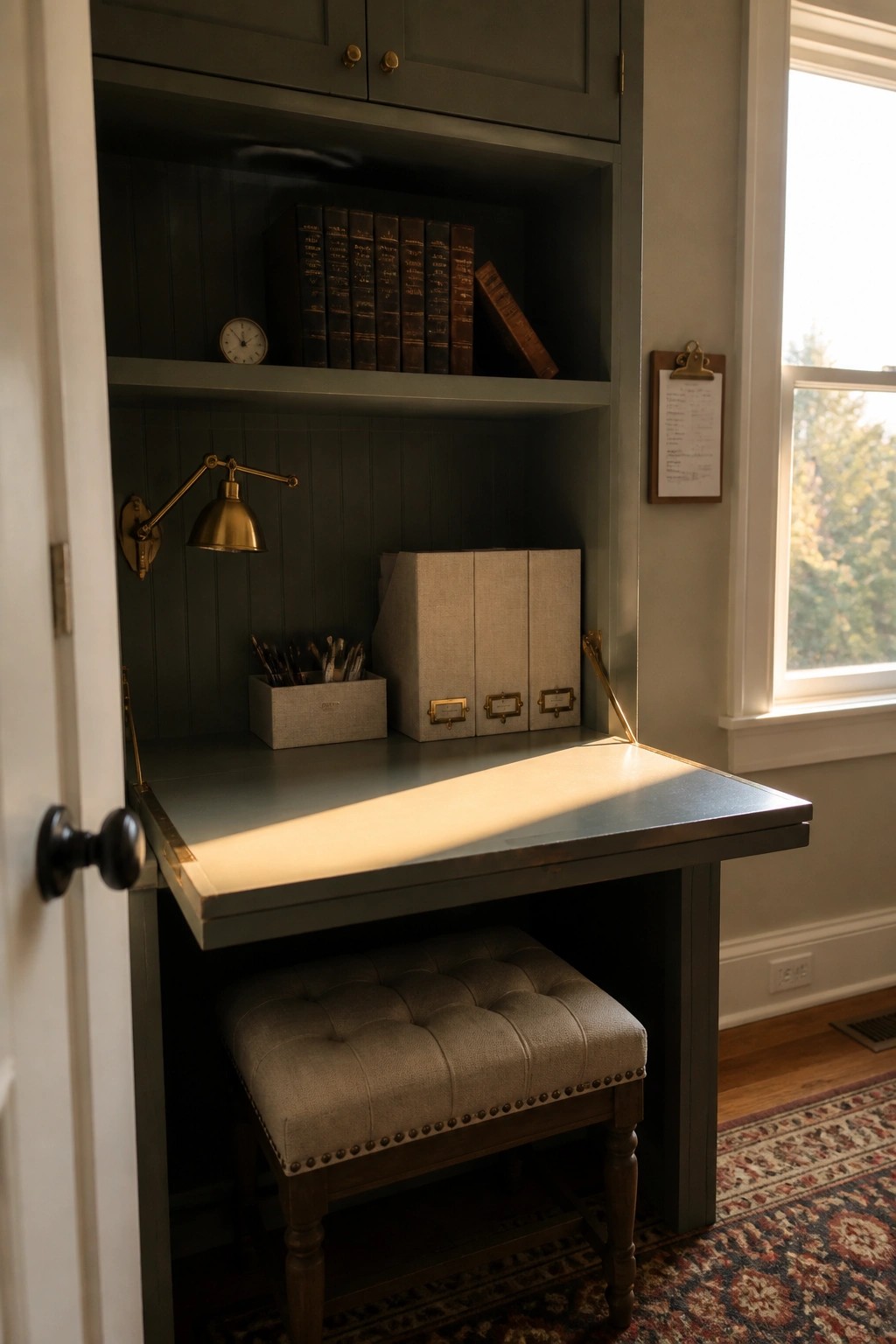
A desk that drops down from a built in cabinet gives you a real workspace without taking over the room when it is not needed. The hinges and hardware stay hidden behind the front panel, so the whole thing blends into the surrounding shelves and storage.
This setup works best in spare rooms or narrow corners where floor space is limited. Make sure the surface is deep enough for a laptop and papers, and keep a low stool that slides out of the way when the desk is closed.
Add Shelves Above The Desk For Storage

Many small offices make better use of space by adding shelves right above the desk. This keeps supplies and books within reach while leaving the desktop clear for actual work.
It suits spare rooms or tight corners where floor space is limited. Pick sturdy open shelves and place them at a height that is easy to reach without standing up.
Built-In Desks With Slatted Walls
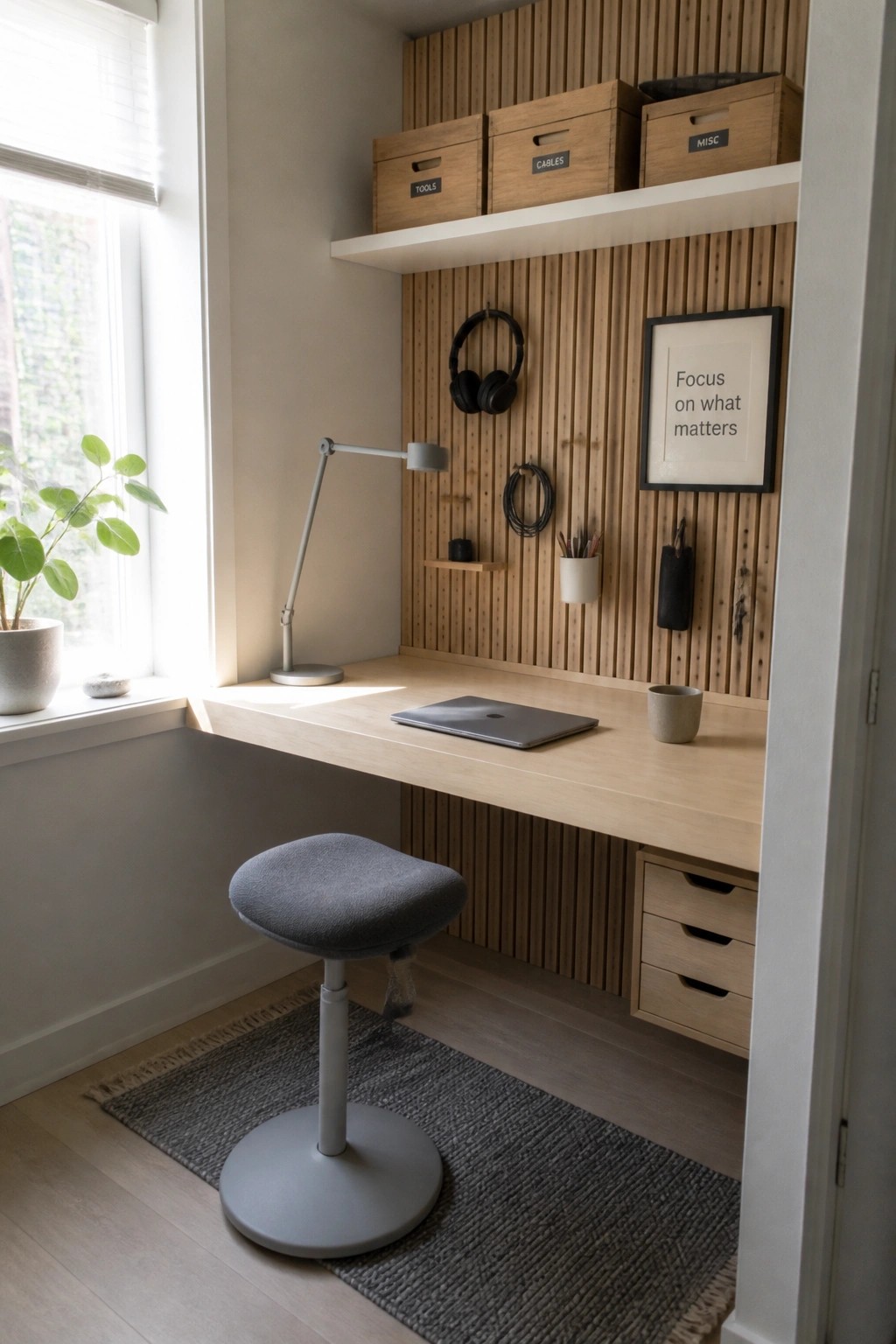
A built-in desk paired with a slatted wall gives you storage right where you need it in a small space. The vertical slats let you hang headphones or cables without cluttering the work surface, and the overhead boxes keep tools and supplies close at hand.
This approach works best in spare rooms or tight corners where floor space is limited. It keeps everything organized without adding extra furniture, though you may need to plan the wall depth carefully if the room is very narrow.
Built-In Shelves Add Storage In Small Offices

Built-in shelves above a desk give you room for files and supplies without crowding the floor. This works especially well in spare rooms or tight corners where every inch counts and freestanding cabinets would feel bulky.
You can run the shelves the full length of the desk and keep the lower section simple for legroom. Dark finishes help the setup blend into the wall so the space still feels open.
Mount Peg Rails for Wall Storage
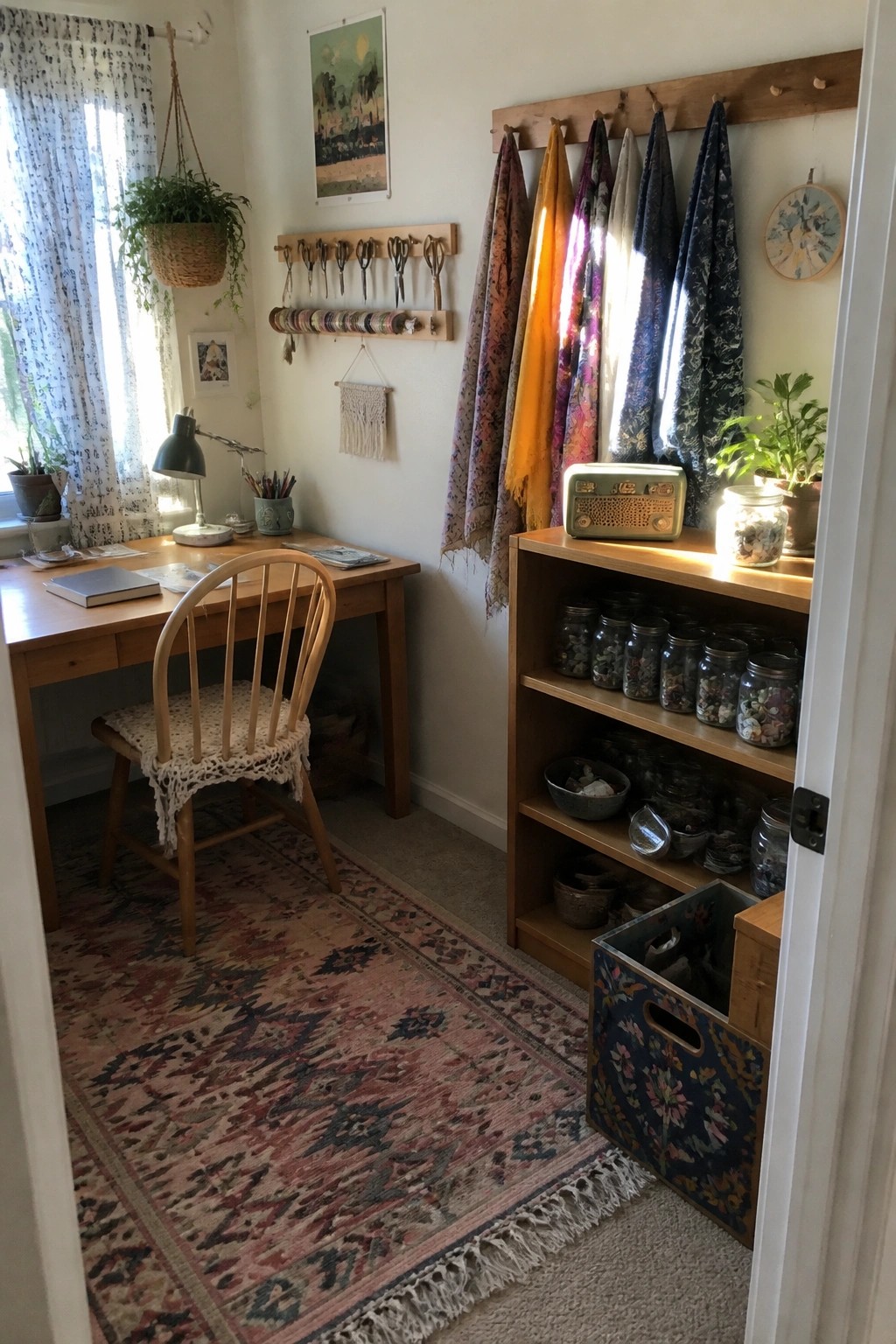
Peg rails give you a simple way to keep tools and materials off the desk while still easy to reach. In a small office or spare room, this keeps the work surface clear and makes the space feel less crowded. The rails work especially well when you have supplies like scissors, thread, or fabric that you use often.
This setup suits narrow corners or rooms with limited floor space. Screw the rails at a comfortable height, then hang what you need most. It works in any home where you want quick access without adding more furniture.
Install Shelves Directly Above the Desk

A desk with built-in shelves overhead makes good use of a small room or corner. The shelves hold books and supplies right where you need them, so you avoid adding more furniture that would crowd the floor.
This setup works best in spare bedrooms or narrow spaces where every inch counts. Keep the desk simple and let the shelves handle the storage. Just watch the height so the lower shelves stay easy to reach.
Hang a Rail Above the Desk for Easy Reference
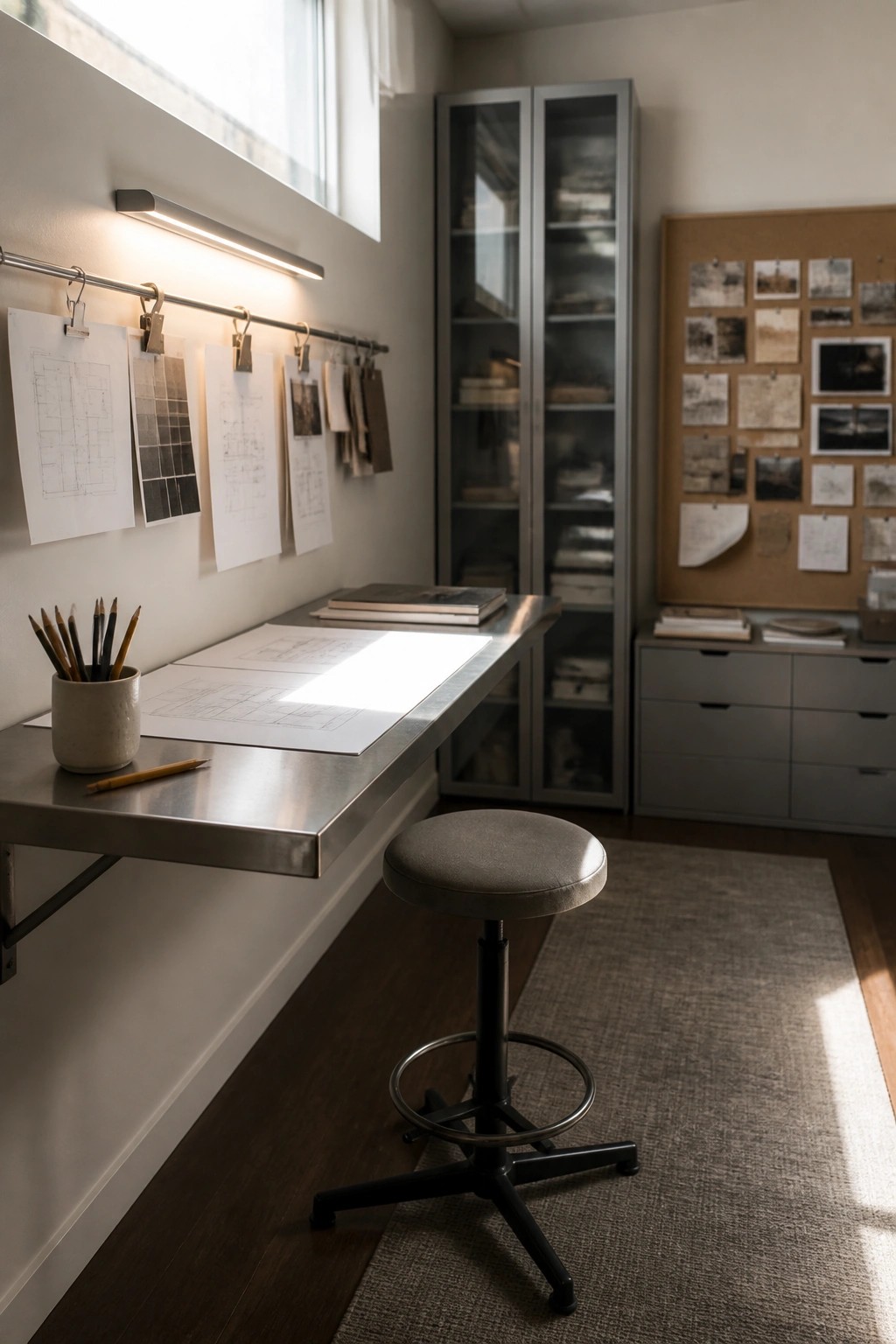
A simple metal rail with clips gives you a place to keep drawings and notes right in front of you without crowding the desk surface. In a small room this keeps everything visible and reachable while leaving the actual work area clear for whatever you are working on at the moment.
This setup works well in spare rooms or narrow corners where floor space is limited. Mount the rail at a comfortable height, keep the desk shallow, and use a stool that tucks away when you need the floor clear. It suits anyone who works with plans or reference sheets and wants them organized without extra shelves.
Position Your Desk by a Window
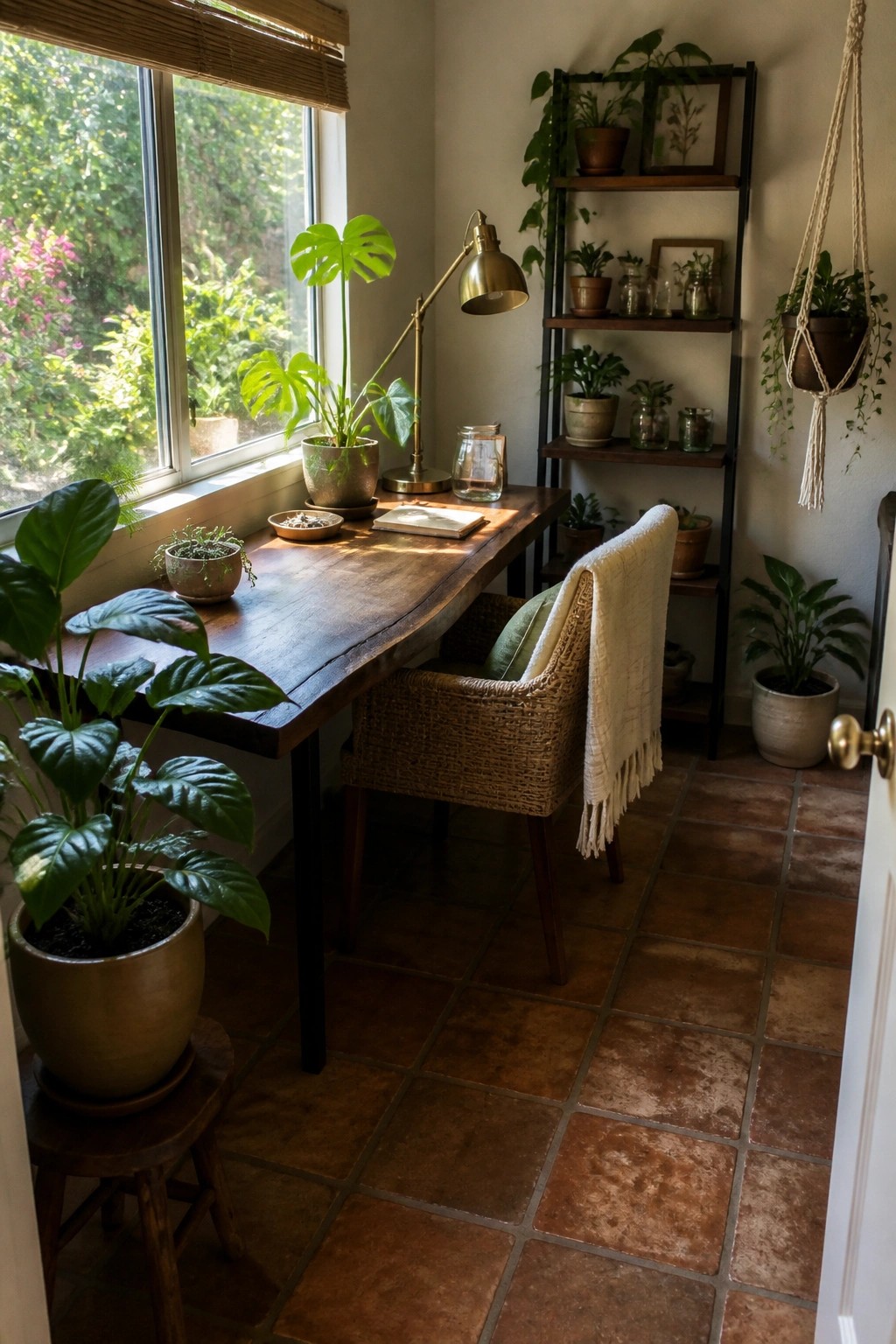
Placing a desk along a window turns a tight corner or spare room into a workable office without much effort. Natural light makes the space feel less cramped and helps during long hours at the desk.
This setup works best in rooms with limited wall space. Keep the desk narrow, add a simple chair, and use the window ledge for a few plants or supplies so the area stays open and practical.
Frequently Asked Questions
Q: How do I hide all the wires when my desk sits right in the corner?
A: Loop them through a small hole in a shelf above if you have one. Otherwise tape them neatly to the desk underside with basic clips. Your workspace stays tidy and safe to move around.
Q: What happens if the spare room gets shared with family during the day?
A: Set up a folding screen that tucks away when not in use. It blocks the view without taking permanent space.
Q: I need more storage but hate adding bulky cabinets to my small office nook.
A: Stack a couple of slim crates under the desk for files and supplies. Pull them out only when you need something. This adds room without eating floor area.
