

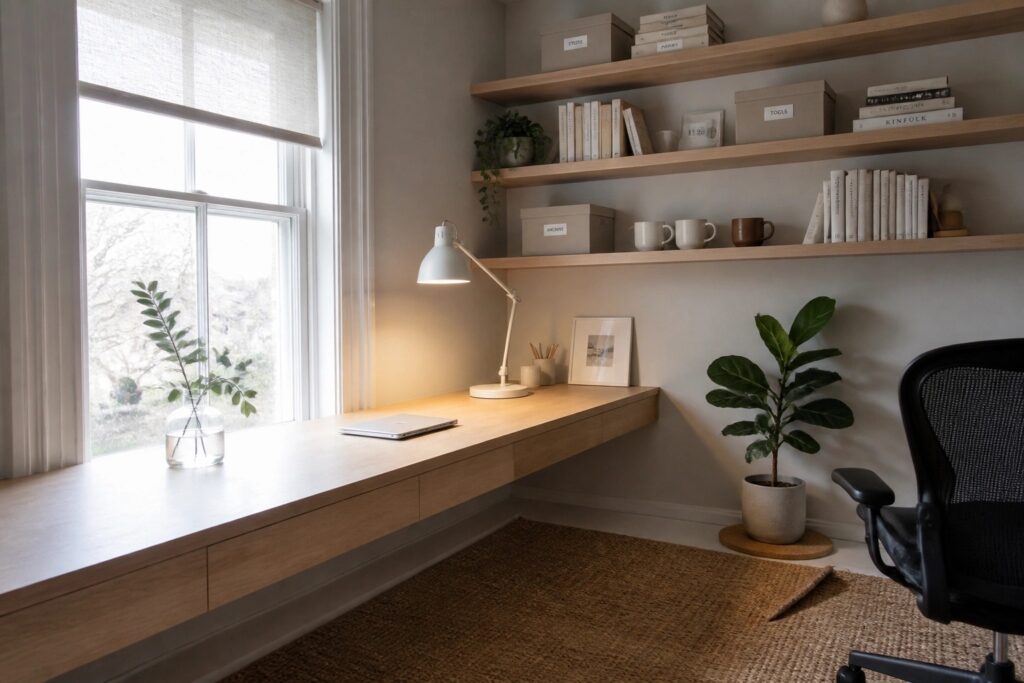
When I moved my desk away from the window last winter the whole room suddenly felt more workable instead of cramped during long days.
The way a chair lines up with storage and outlets often decides whether a corner stays useful or turns into a spot you avoid after lunch.
I have learned to test small shifts in lighting and surface height before committing to anything bigger because those details show their value pretty quickly.
Some setups look fine on paper but never quite settle in once you actually work there.
Trying a few layout tweaks in my own space has shown me which ones hold up after the novelty wears off.
Add Floating Shelves Above Your Desk
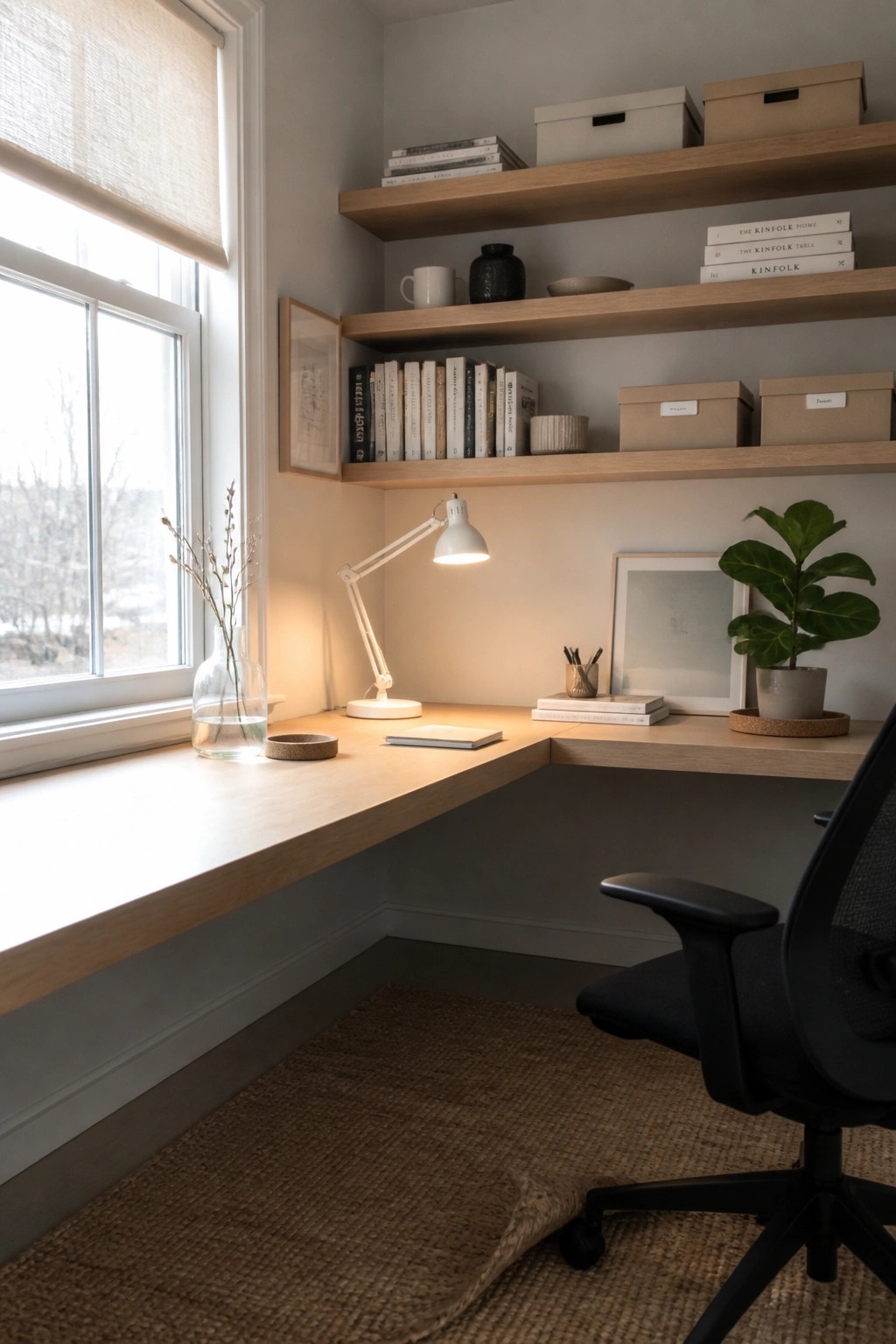
Floating shelves above a desk give you extra storage without eating into floor space. They keep books, papers, and small supplies close at hand while leaving the work surface clear for daily tasks.
This approach suits small rooms or corner spots where every inch counts. Mount the shelves at a comfortable height so you can reach what you need without standing up, and keep heavier items lower to avoid any tipping risk.
Use a Slim Desk Along the Wall
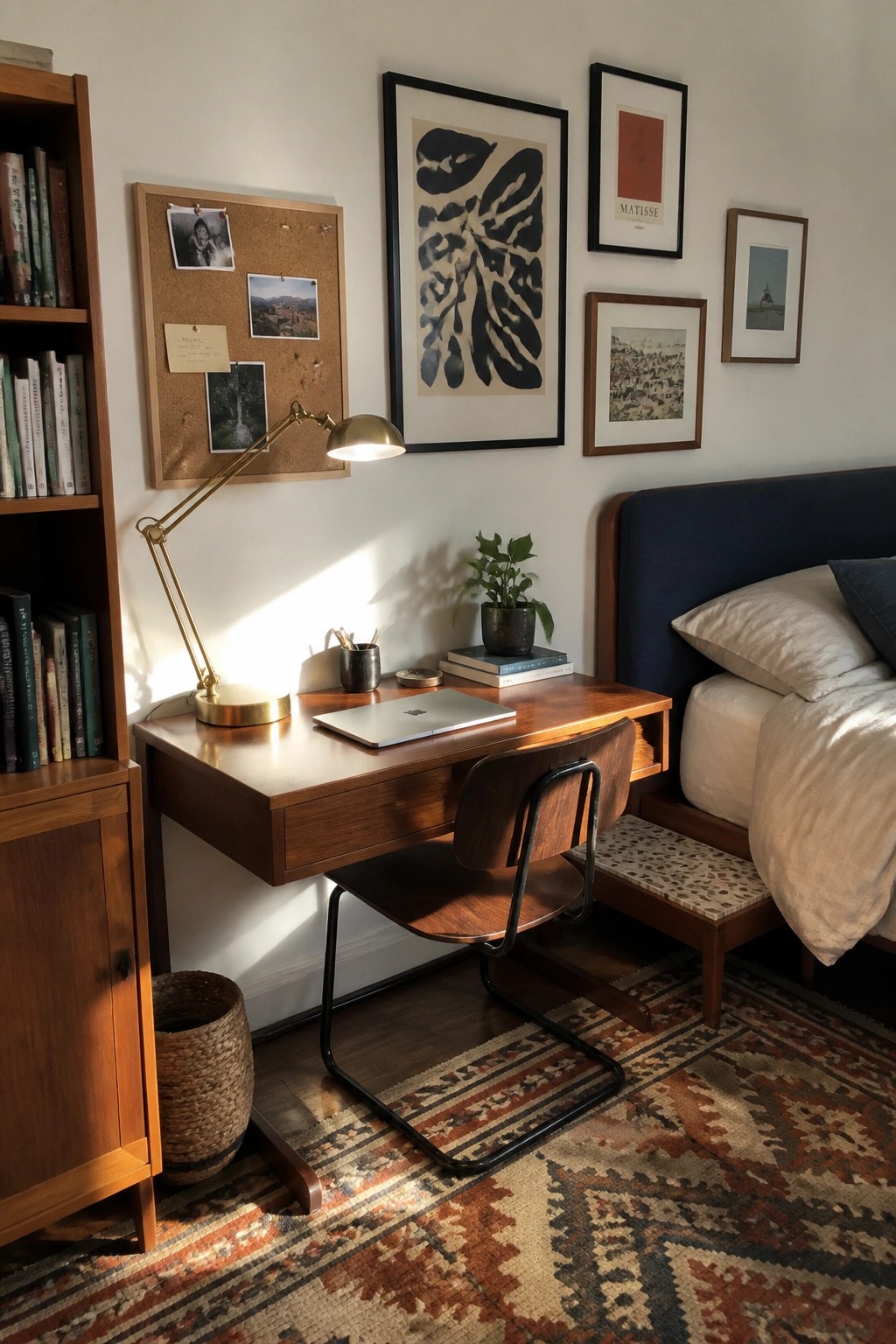
A narrow wooden desk mounted against the wall works well when you need a workspace but do not want to give up much floor space. It keeps the room feeling open while still giving you a clear spot to set up a laptop and a few supplies.
This setup suits bedrooms or small apartments where the same room has to serve more than one purpose. Keep the surface clear, add a simple task light, and choose a chair that slides underneath when you are done for the day.
Convert a Closet into a Compact Workspace

Many homes have a spare closet that sits empty most of the time. Turning it into a small desk area keeps the work spot separate from the rest of the house without taking up extra floor space.
This idea works best in smaller homes or rooms that need to stay flexible. A simple built-in desk, a pegboard for supplies, and a few baskets overhead give enough room to work while hiding everything behind the doors when the day is done.
Kitchen Islands Make Practical Workstations
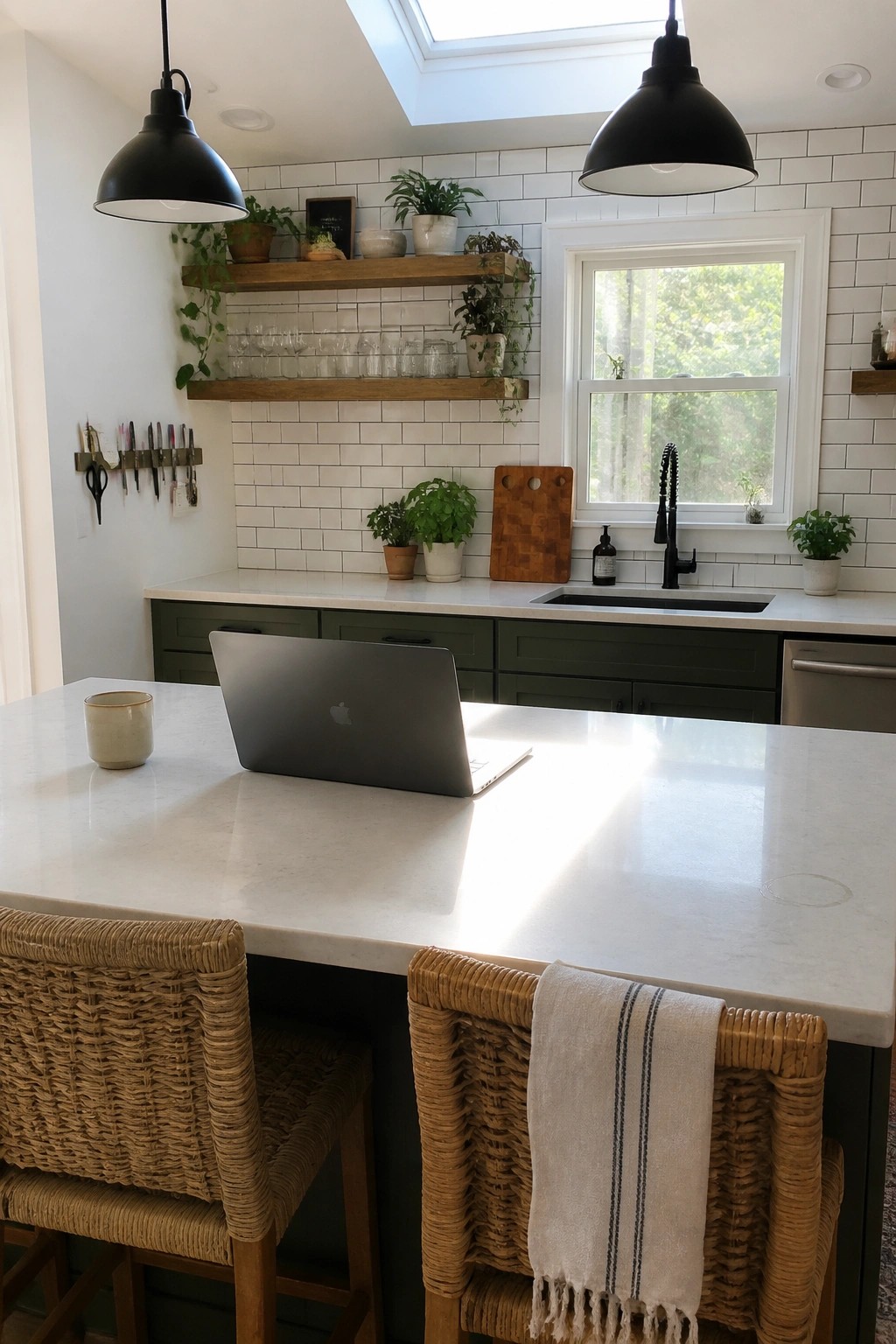
A kitchen island often gives more surface area than a standard desk, which makes it easy to spread out a laptop and a few supplies. The built-in seating and steady natural light from windows or skylights help the space feel open and usable for longer stretches.
This works best in homes where the kitchen already serves as a main living area. Keep the island surface mostly clear during work hours and choose stools that tuck away neatly when the space needs to return to meal prep.
Pair a Desk With a Comfortable Armchair

Many people get tired of sitting at a desk for hours without a change. Placing a comfortable armchair right beside a small work surface gives you room to shift positions while still keeping your laptop and papers within reach.
This works best in smaller rooms or quiet corners where a full office would feel cramped. Choose a low desk that does not block the chair, and keep a window nearby so the light stays useful throughout the day.
Position Your Desk Under a Skylight

Natural light makes a workspace feel easier to use for hours at a time. Placing the desk directly under a skylight brings in steady daylight from above and cuts down on the need for lamps during the day.
This approach works best in attic rooms or any space with roof windows. It suits homes that already have that feature, though a simple shade can help if the sun hits too hard in the afternoon.
Fit A Workspace Into The Space Under Your Stairs
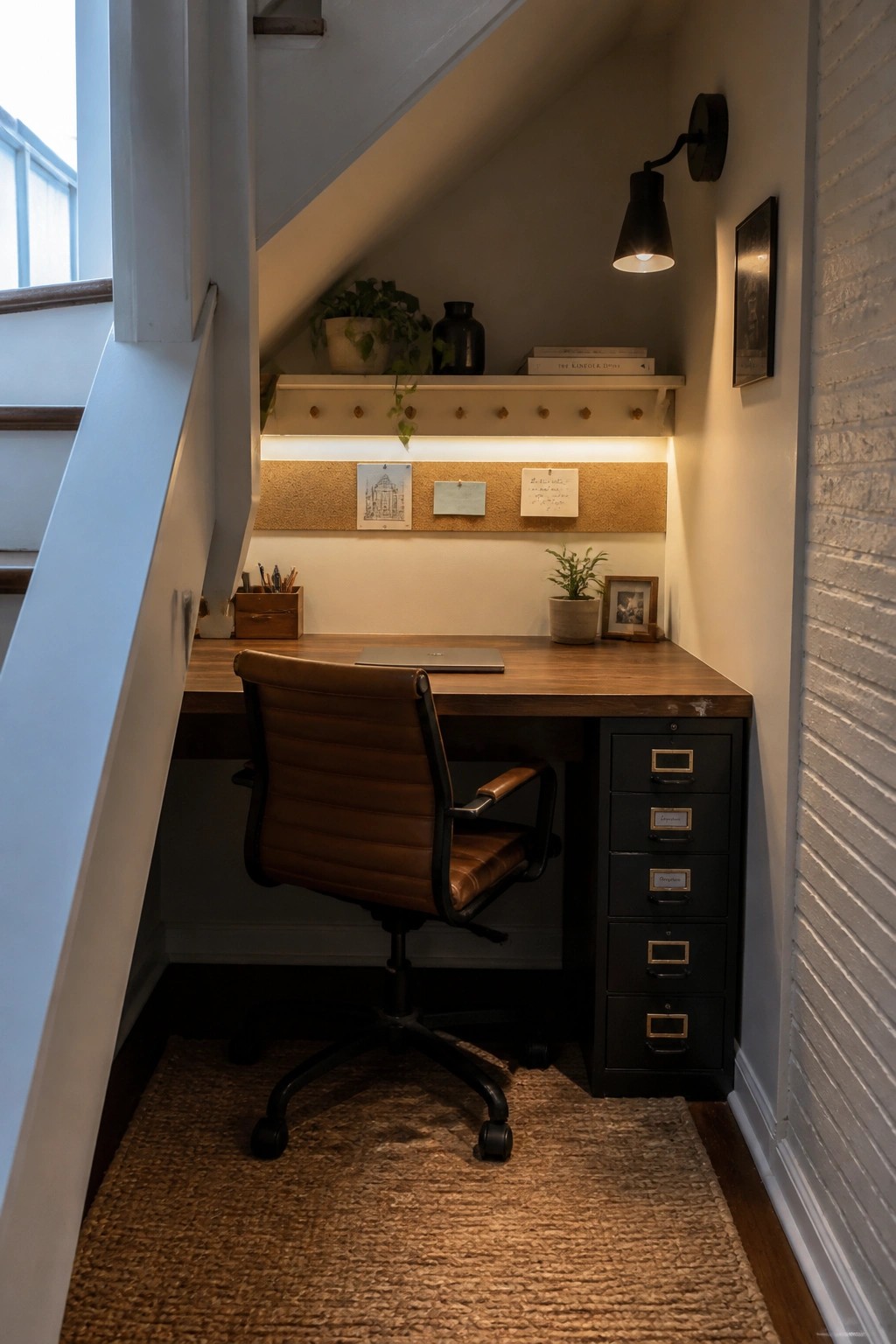
Many homes have that narrow spot under the stairs that rarely gets used for much. Turning it into a simple desk area gives you a quiet place to work without needing a full room or major changes.
This setup works best in smaller homes or places where square footage is tight. A basic desk, a few shelves, and some task lighting are usually enough to make the spot feel practical for daily use.
Turn a Dining Table into Extra Workspace
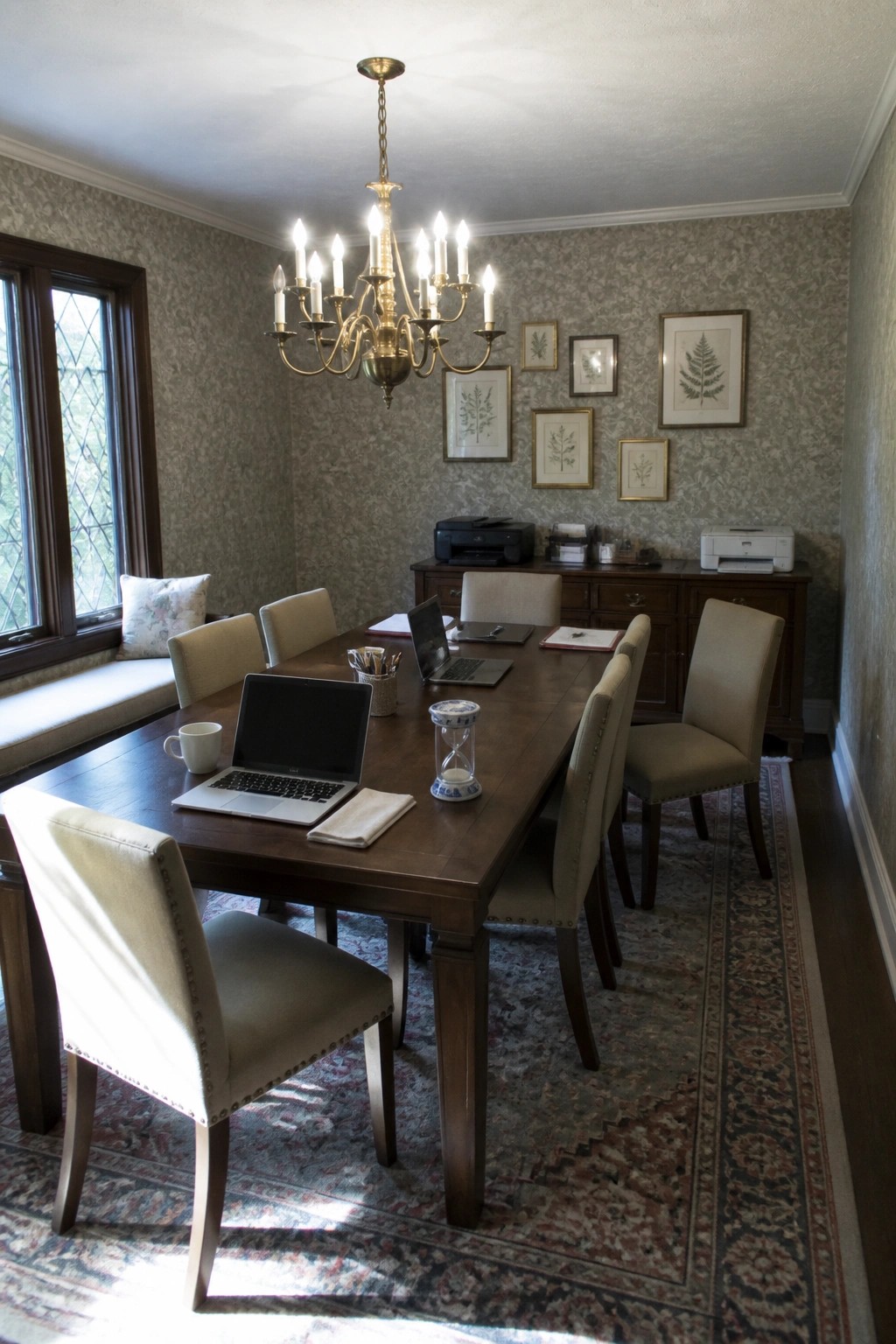
A long dining table gives you a wide surface that works well for spreading out papers, laptops, and other office items. It feels practical when you already have the table and just need more room to work without adding another piece of furniture.
This approach suits homes that do not use the dining room for meals every day. Keep a few chairs around the table so more than one person can sit and work, and clear everything off when you want the space back for other uses.
Try An Adjustable Desk For More Flexibility
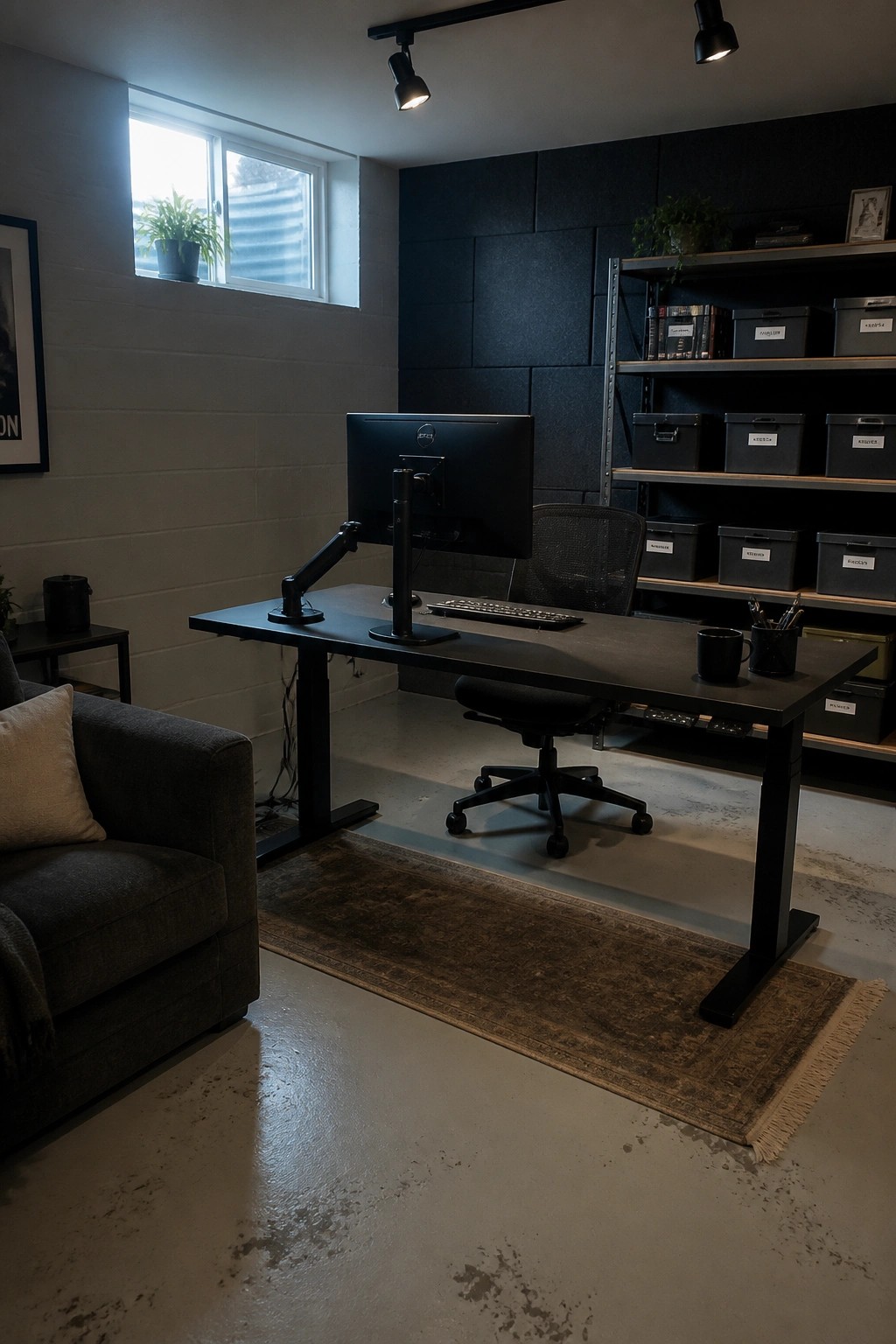
An adjustable desk lets you move between sitting and standing without much effort. Many people find this helps with back stiffness and keeps energy levels steadier during a full workday.
It suits smaller home offices or shared spaces where you need one piece of furniture to do more. Pair it with a supportive chair and a simple rug underneath so the setup feels comfortable for both positions.
Put Your Desk Right By The Window
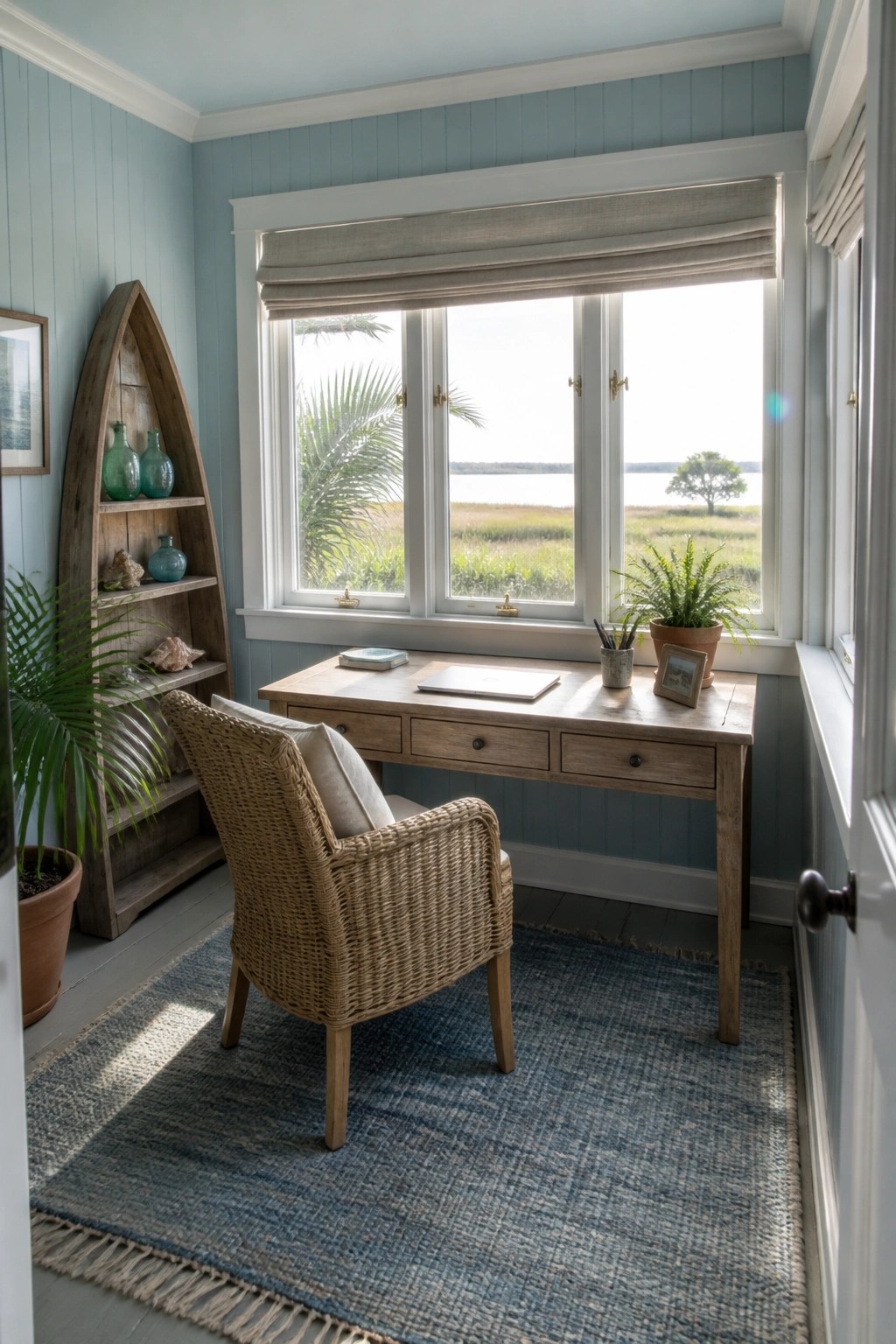
Placing a desk directly in front of a window is one of the simplest ways to improve a home office. The natural light cuts down on eye strain and the view outside gives your mind a break during long work sessions.
This setup works best in rooms that already have decent outdoor scenery and enough wall space on either side. Just keep the desk low enough so it does not block too much of the glass, and choose a chair that does not feel bulky against the light.
Built-In Bookshelves Help Organize A Home Office
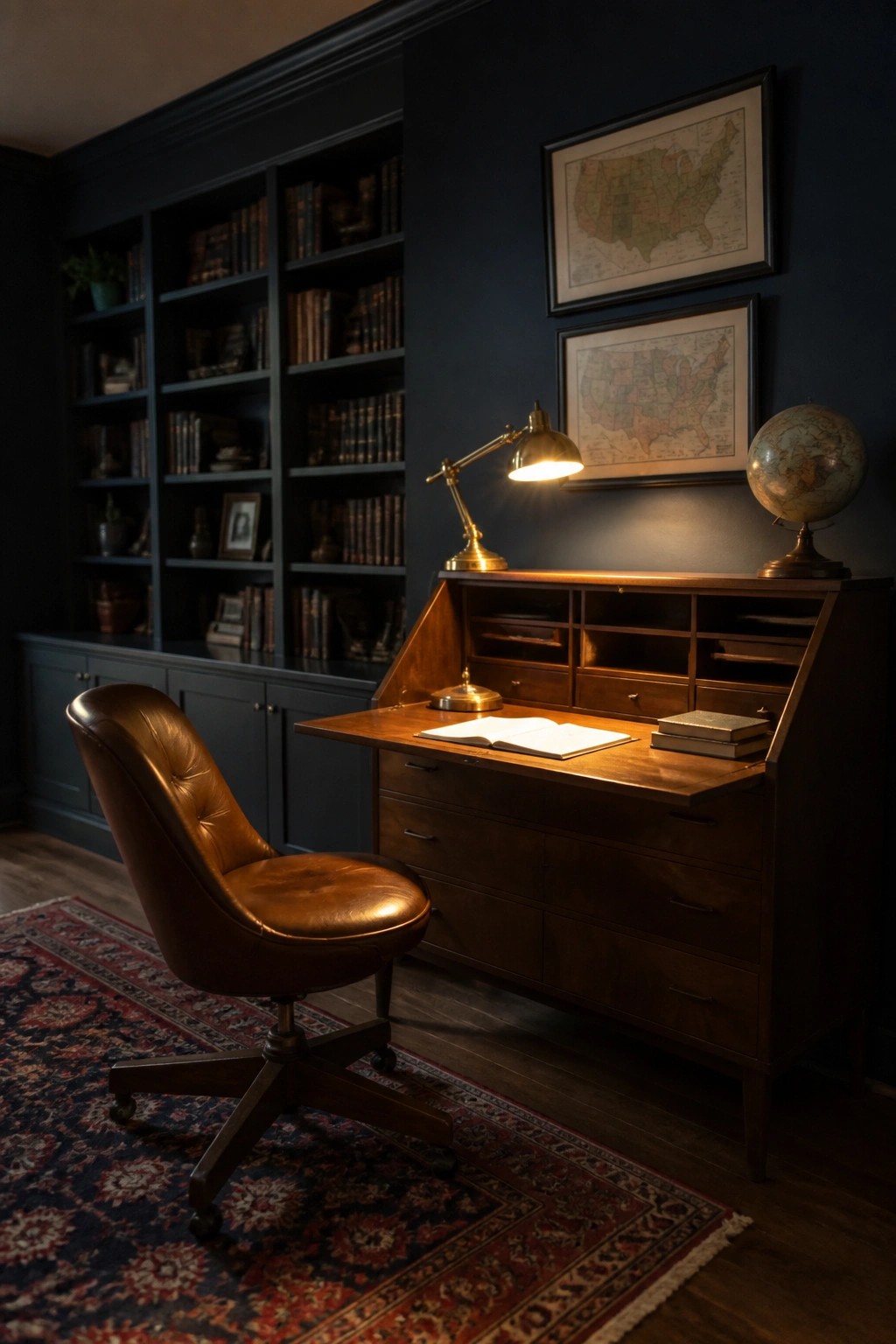
Plenty of home offices feel more useful when they include built-in bookshelves on either side of the desk. The shelves give you a place for reference books, files, and supplies so the work surface stays clear, and the whole setup starts to feel like a real room instead of a corner with a table.
This approach works best in studies or spare bedrooms where you want the space to stay tidy without extra furniture. Dark paint on the built-ins helps the area feel more enclosed and quiet, which suits people who need to focus for long stretches.
Keep Supplies Handy With a Rolling Cart
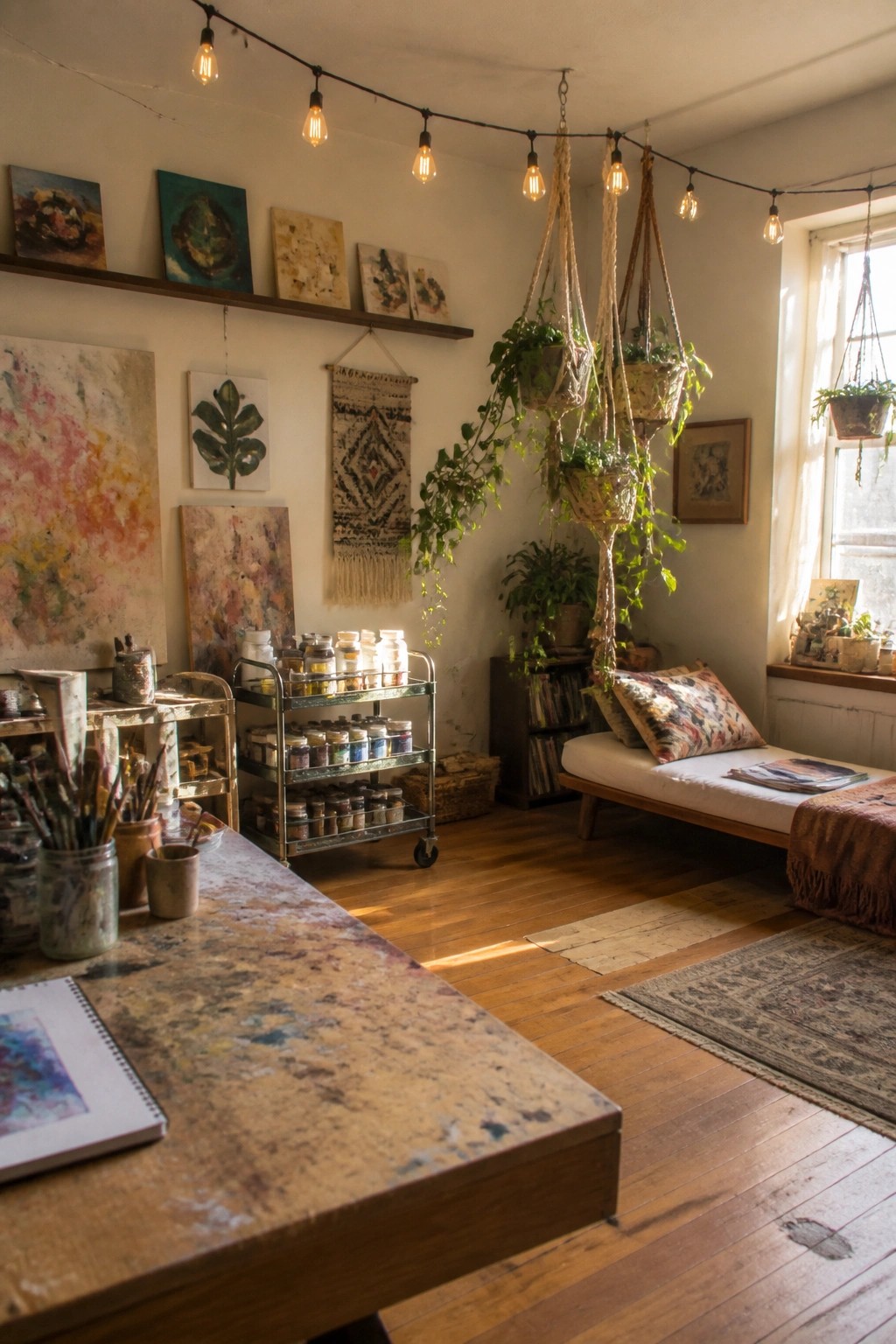
A rolling cart gives you quick access to everything you need without piling it all on the desk. It keeps the main work surface clear while still letting you reach paints, brushes, or files in seconds. Many people find this setup helps them stay focused longer because they are not constantly hunting for things.
Place the cart near your main table so it can move when you need more space or want to shift things around. It works especially well in smaller rooms or creative spaces where fixed shelves would feel too heavy. Just watch that the cart does not block walking paths when it is pulled out.
Add a Desk to the Nursery
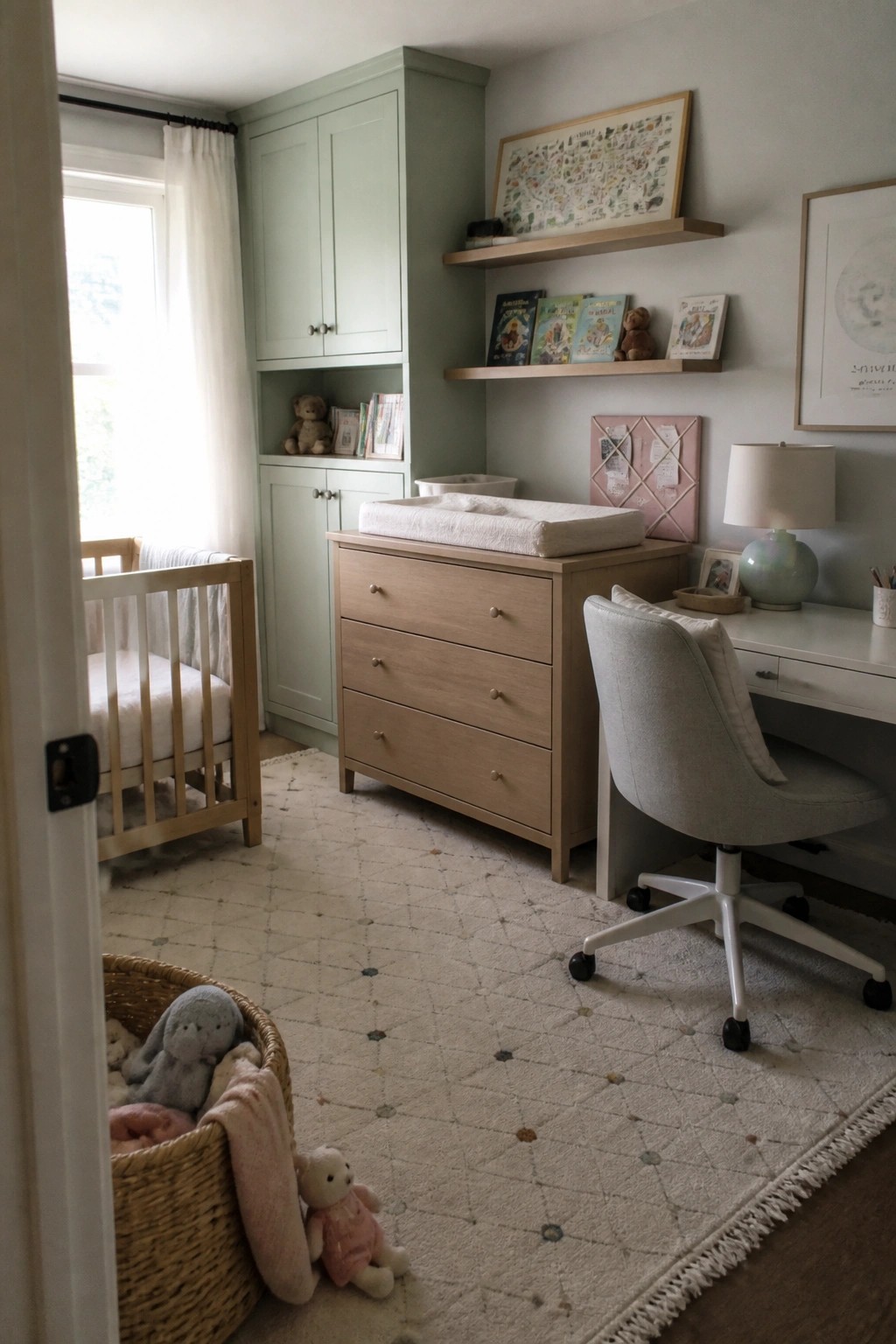
A small desk in the nursery gives parents a place to handle work without leaving the room. It works well when you need to stay close during naps or quiet playtime, and it keeps the space practical instead of turning the whole room into storage for toys and baby gear.
Place the desk along a wall that still leaves room to move around the crib and changing table. A simple chair on wheels makes it easy to roll in and out when you need to switch tasks. Keep the surface clear except for a lamp and a few daily items so the room still feels calm.
Built-In Desks With Storage Cubbies

Built-in desks work well when space is limited because they combine a work surface with storage in one unit. The open cubbies above the desks hold baskets for supplies while the corkboards keep notes and schedules visible without adding clutter to the surface.
This approach suits homes that need a workspace in a hallway, guest room, or shared area. It keeps the floor clear and makes the setup feel more permanent than a freestanding desk.
Mount Floating Shelves Above Your Desk
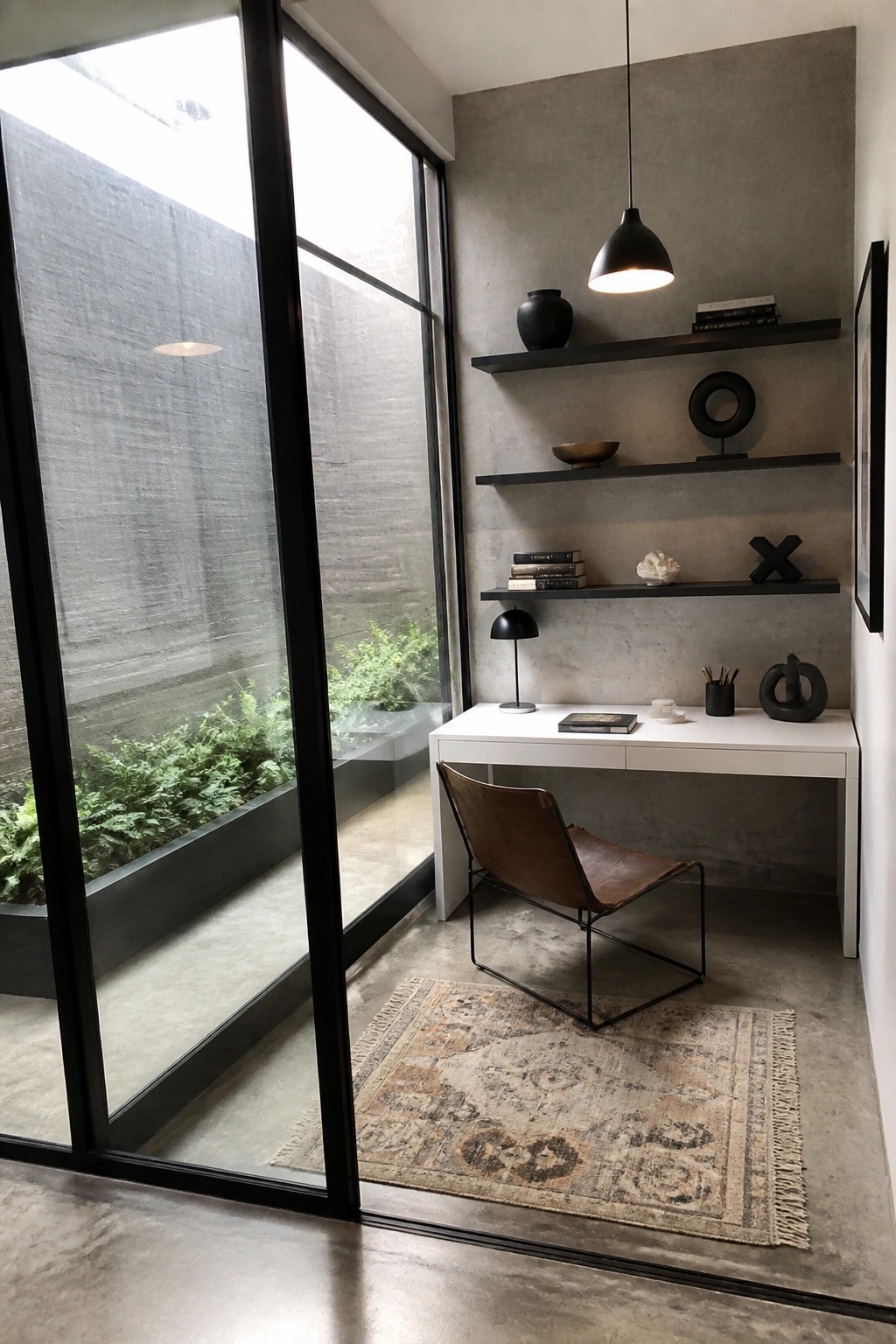
One simple way to keep a small workspace useful is to run a few floating shelves directly above the desk. This adds storage for books and supplies without taking up floor space or making the surface feel crowded.
The approach fits best in narrow rooms or corners where every inch counts. Place the shelves at a comfortable reach and leave some open space between items so the setup stays easy to use every day.
Add a Stool for Quick Tasks at the Counter
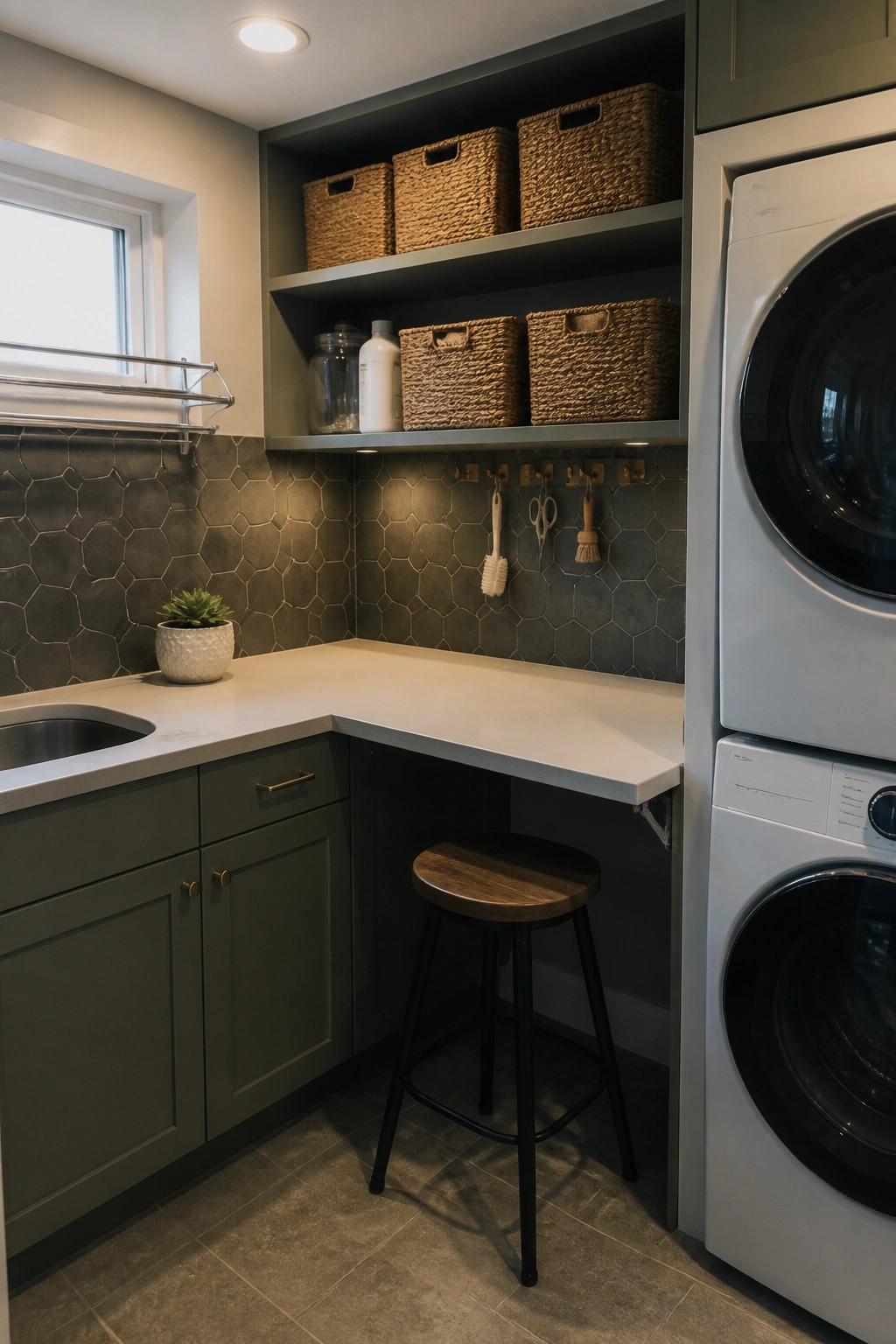
A small stool tucked under the counter turns an ordinary utility space into a spot where you can sit down and knock out short jobs. It keeps you from standing the whole time while still leaving the floor clear when the stool is pushed back in.
This setup works best in laundry rooms or similar areas that already have cabinet storage and open shelves. Choose a lightweight stool with a low profile so it fits neatly and does not crowd the walkway.
Built-In Desks That Add Storage And Function
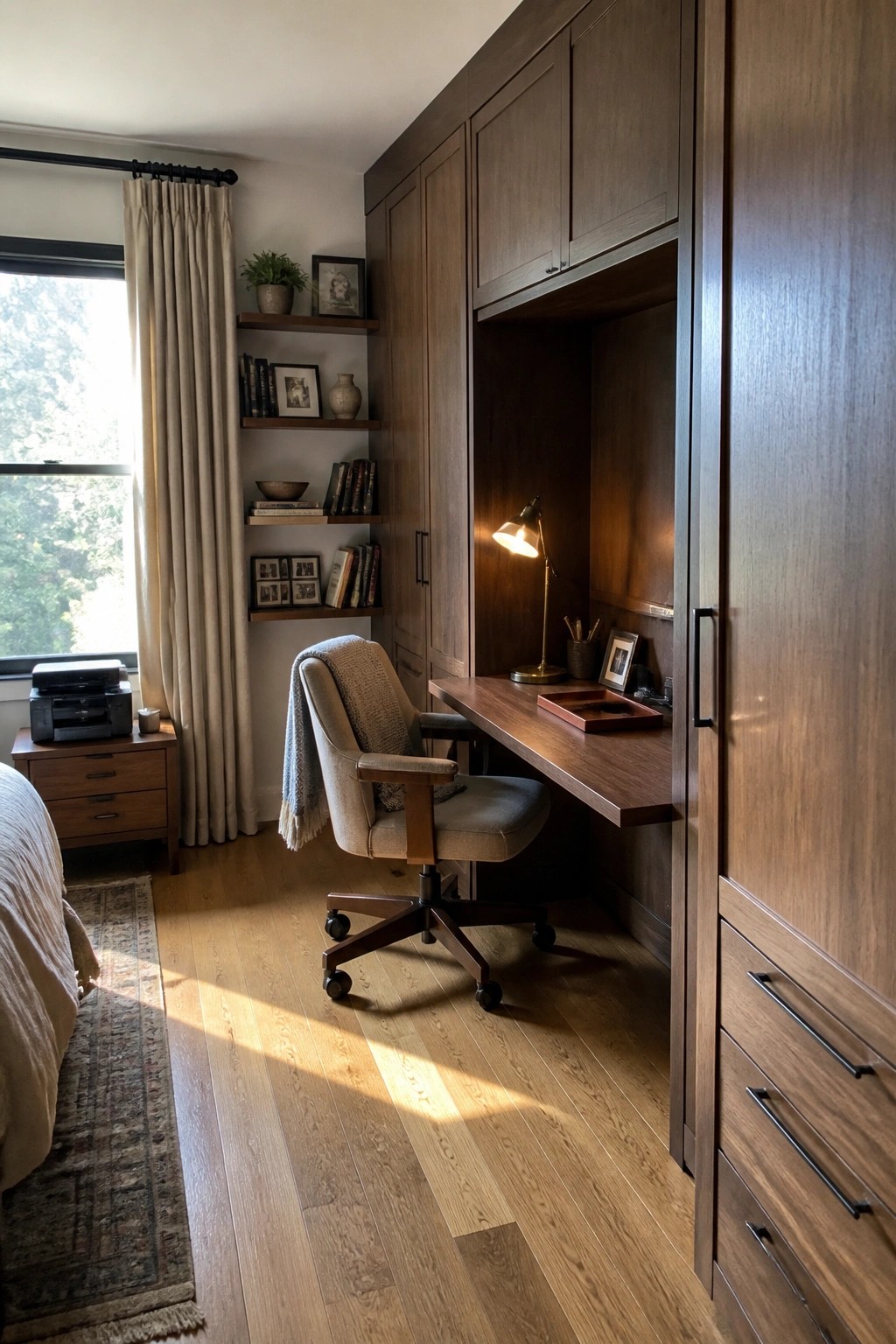
A built-in desk tucked into cabinetry gives you a real workspace without taking over the whole room. It keeps the desk surface clear while the shelves and cabinets hold books, files, and supplies out of sight. This setup works especially well in bedrooms or guest rooms that double as offices.
It suits smaller homes where a freestanding desk would crowd the floor. Place it along a wall with good natural light and keep the finish simple so it blends with the rest of the room. Just watch the depth of the desk so the chair can pull out easily.
Built-In Shelving Keeps the Office Organized
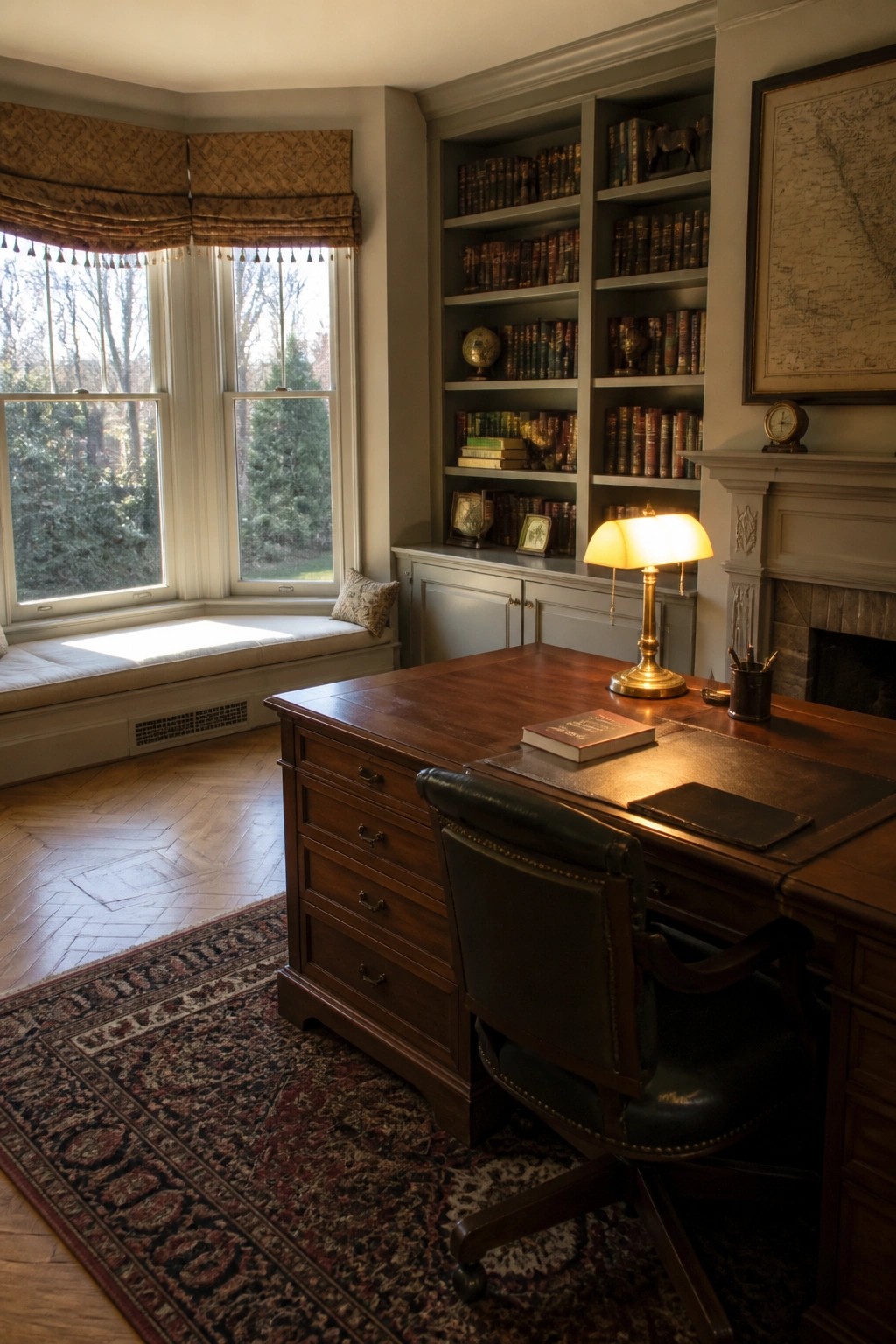
Built-in shelves work well in a home office because they give you lots of storage without adding extra furniture that can crowd the room. The shelves sit right into the wall space, so books, files, and supplies stay visible and easy to reach while the desk area stays clear for work.
This approach suits older homes or rooms that already have some trim and built-in character. Keep everyday items on open shelves and tuck away the rest behind cabinet doors below so the space feels calm and ready for daily use.
Frequently Asked Questions
Q: How do I stop my back from aching after a few hours at the desk?
A: Adjust your chair so your feet rest flat on the floor and your screen sits at eye level. This keeps your spine aligned without much effort. Try propping a book under your laptop if needed.
Q: What is the easiest way to improve lighting without rewiring the room?
A: Move your desk near a window for natural light during the day. Add a simple lamp with a warm bulb on the side opposite your dominant hand. This cuts down on glare right away.
Q: Should I bother with plants or decor in a small workspace?
A: A couple of easy-care plants can freshen the air and give your eyes a break when you look away from the screen. Keep decor minimal so it does not distract you during calls.
Q: How do I keep from getting distracted by household noise?
A: Use noise-canceling headphones with some low background music or white noise. Position your workspace away from high-traffic areas if possible.
