


I have noticed that small rooms often start to feel tight the moment too many pieces crowd the floor.
When I set up my own workspace I realized that every choice about storage and light changes how the whole area breathes.
The layout really decides if it works.
Some ideas I come across online look fine on screen but fall flat once I try them in an actual room with daily use.
I keep a few tricks in mind now because they help me keep things open without losing what I need close at hand.
Built-In Shelves Keep A Small Office Organized
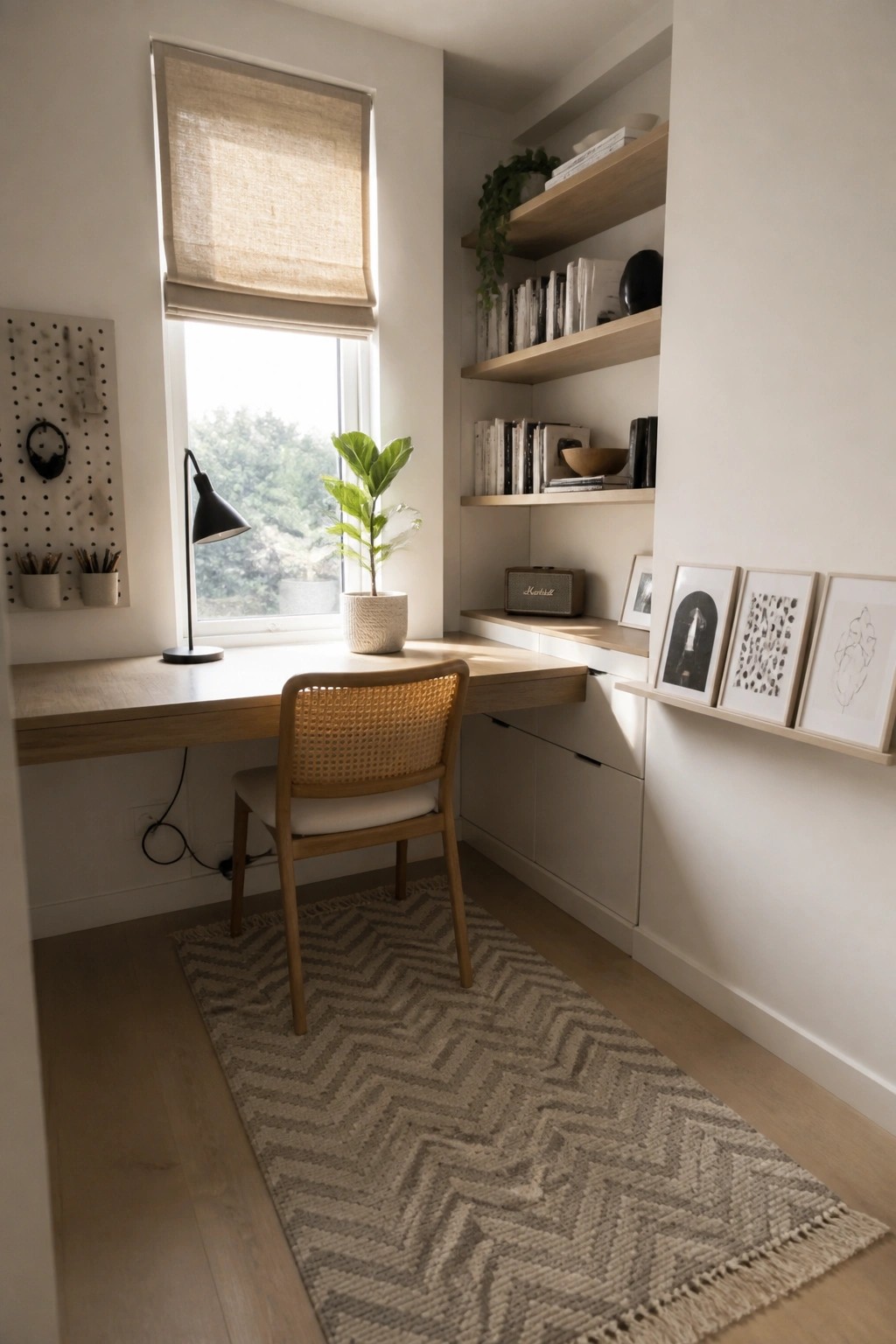
Built-ins work well in tight spaces because they add storage without eating into floor area. Running shelves along one wall above and beside the desk keeps books, supplies, and small items off the surface and out of the way.
This setup suits narrow rooms or leftover corners in apartments and small homes. Keep the desk low and simple under the window so light stays open, then use the shelves for everyday items instead of adding extra furniture.
Build a Desk Into a Small Alcove
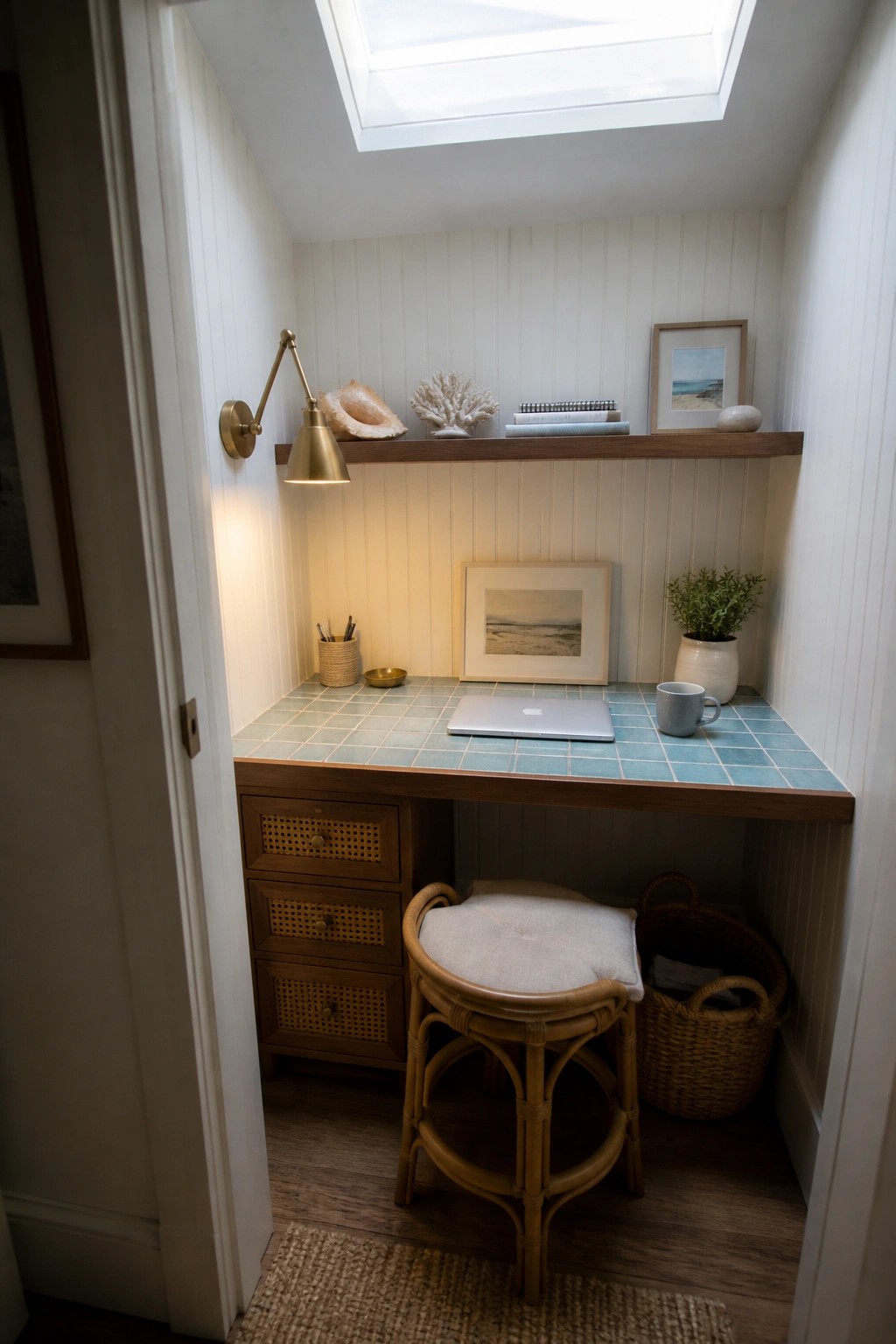
Many homes have narrow spots that never get used for much. Turning one into a desk gives you a real workspace without taking over a whole room or making the place feel smaller.
A simple shelf above the desk holds a few supplies and keeps the surface clear. This kind of setup works well in hallways, under stairs, or any leftover corner with decent light.
Fold Down Desk Built Into A Tall Cabinet

A fold down desk inside a tall cabinet gives you a real workspace without leaving a desk sitting out all the time. The unit takes up very little floor space and keeps the room feeling open when the desk is closed.
This setup works especially well in small bedrooms, living room corners, or apartments where every inch counts. Look for a unit with a few shelves above the desk so you can store papers and supplies out of sight when the surface is folded up.
Built-Ins Add Storage Without Crowding The Floor
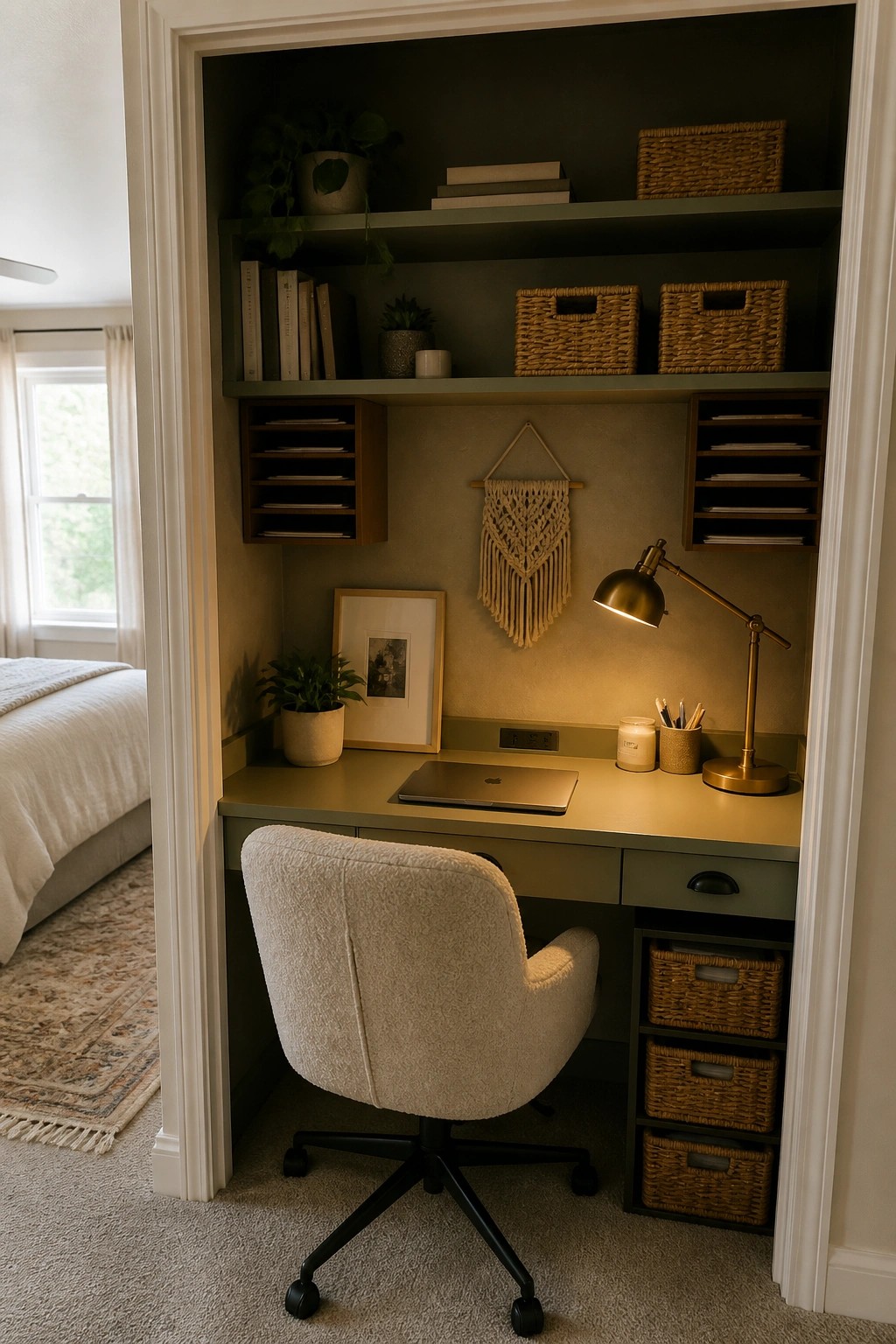
Built-ins work well in small offices because they use the walls instead of the floor. Shelves above the desk and drawers below keep books, papers, and supplies out of the way while still close at hand.
This approach suits bedrooms or narrow rooms where a freestanding desk would feel too big. Place baskets or bins on the lower shelves for things you reach for less often, and keep the desktop clear for daily work.
Run a Desk Along One Wall

A long desk surface against one wall gives you plenty of room to spread out without needing a big separate office. It works especially well in smaller homes because the desk stays out of the main walkway and leaves the rest of the space open.
This setup suits narrow rooms or even a hallway area that already has some wall length to spare. Keep the storage simple with a few open shelves above so nothing blocks light or makes the spot feel closed in.
Mount A Desk To The Wall
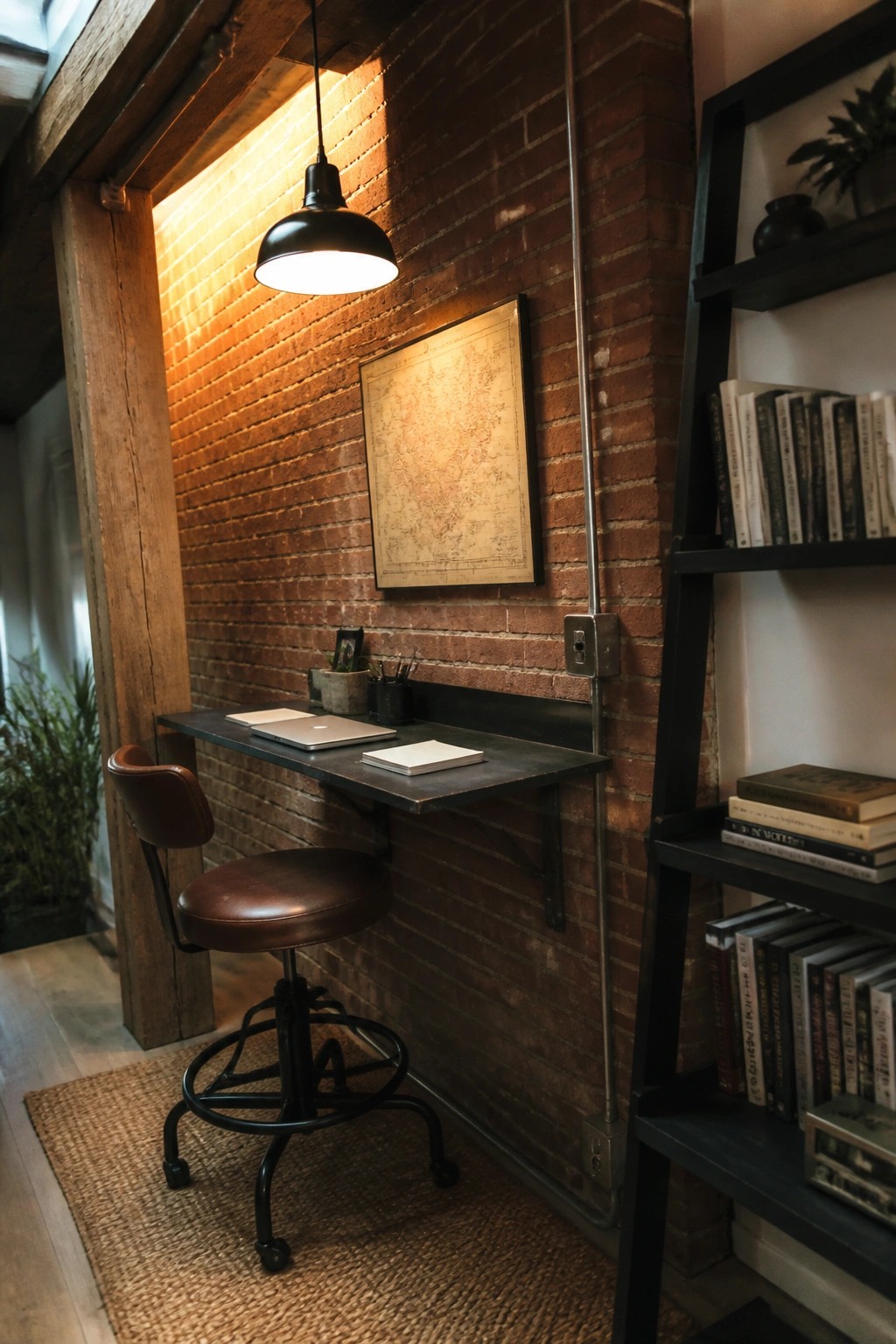
Mounting a desk straight onto the wall frees up floor space and keeps a small office from feeling boxed in. The setup leaves room to move around and avoids the bulk of a full desk with legs taking over the room.
This approach works well in apartments or any narrow spot where you need every inch. Keep the surface simple and choose a stool that slides underneath so the area stays open for other uses.
Mount Floating Shelves Over the Desk
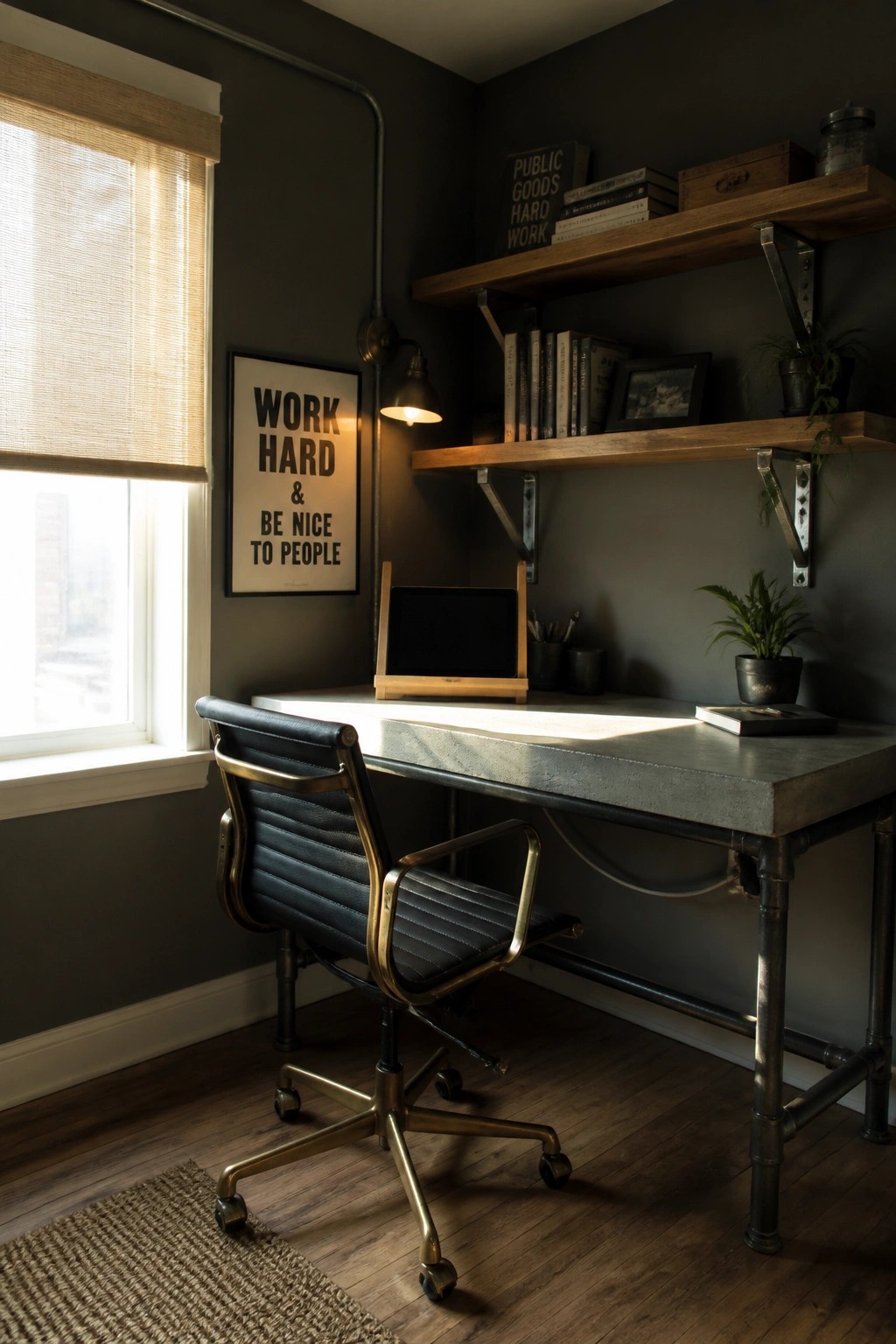
One simple way to stop a small office from feeling crowded is to move storage up onto the wall. Floating shelves hold books and supplies without adding bulk to the desk or floor.
This setup works in almost any tight room because it leaves the work surface clear. Keep the shelves at eye level or slightly above and only store items you reach for often so the space stays open and practical.
Add Storage Under a Window Bench

A window bench with built-in drawers and open cubbies turns an empty nook into a working spot without crowding the floor. The low profile keeps the room feeling open, and everything stays close at hand when you need it.
This works best in rooms with deep window sills or bay windows where a standard desk would feel too big. Use the drawers for supplies you reach for often and the open spots for books or a basket of files. A narrow pegboard on the side wall can hold a few tools without adding bulk.
Mount the Desk to the Wall

Mounting a desk directly to the wall is one of the simplest ways to open up a small office. Without legs or a bulky base taking up floor space, the room feels less crowded even when you still need a chair and some storage nearby.
This setup works best along a single wall where you can keep everything else minimal. It leaves room for the chair to roll back and makes the floor feel more open, which helps the whole space stay comfortable instead of tight.
Lean A Ladder Shelf Against The Wall
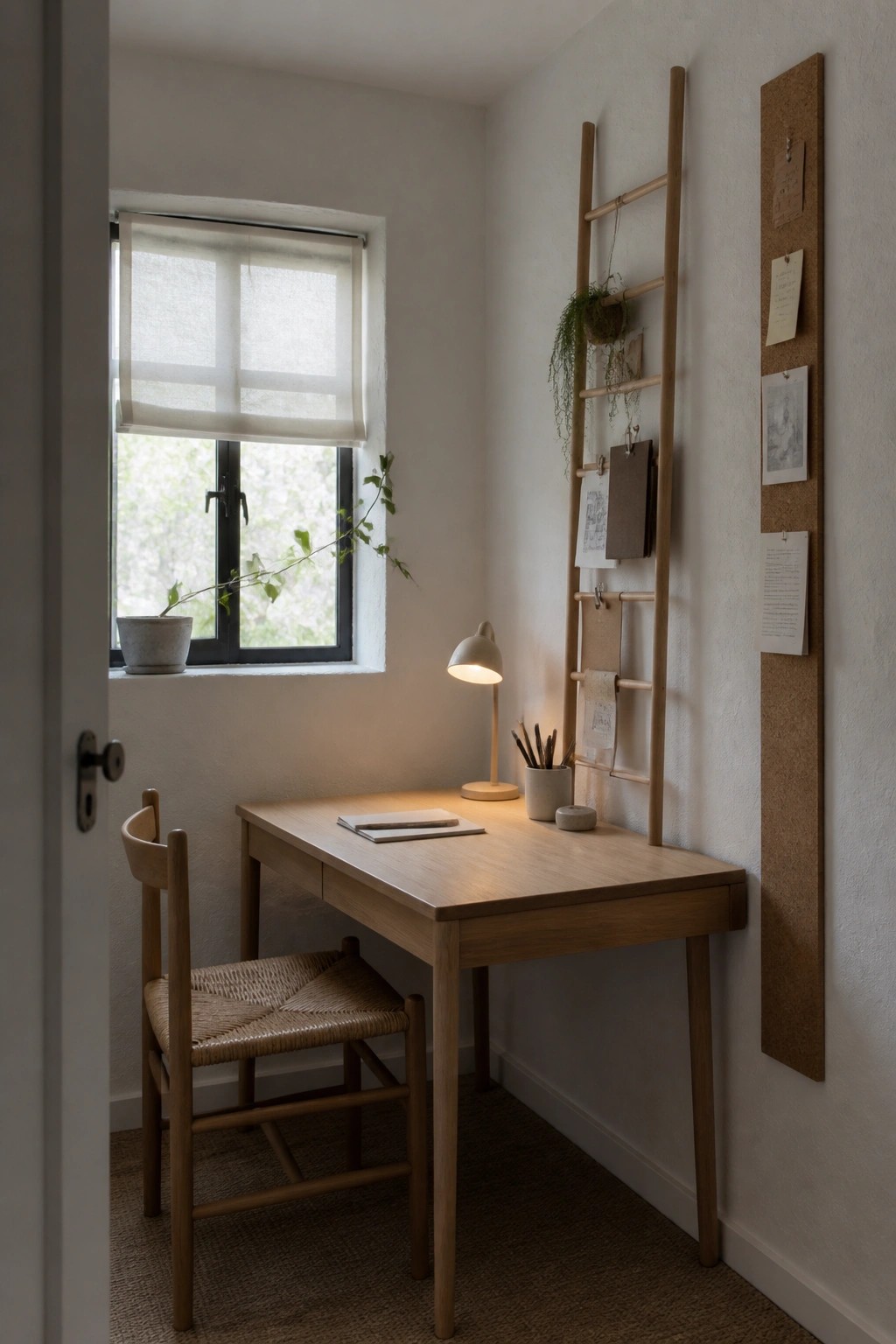
A leaning ladder gives you extra spots to hang papers and small items without crowding the desk surface. In a tight room this keeps the main work area clear and helps the space feel more open.
It works best tucked into a corner where the desk already sits against one wall. Clip on only a few light pieces so the ladder stays simple and does not start to feel busy.
Built-Ins Maximize Storage in a Small Office
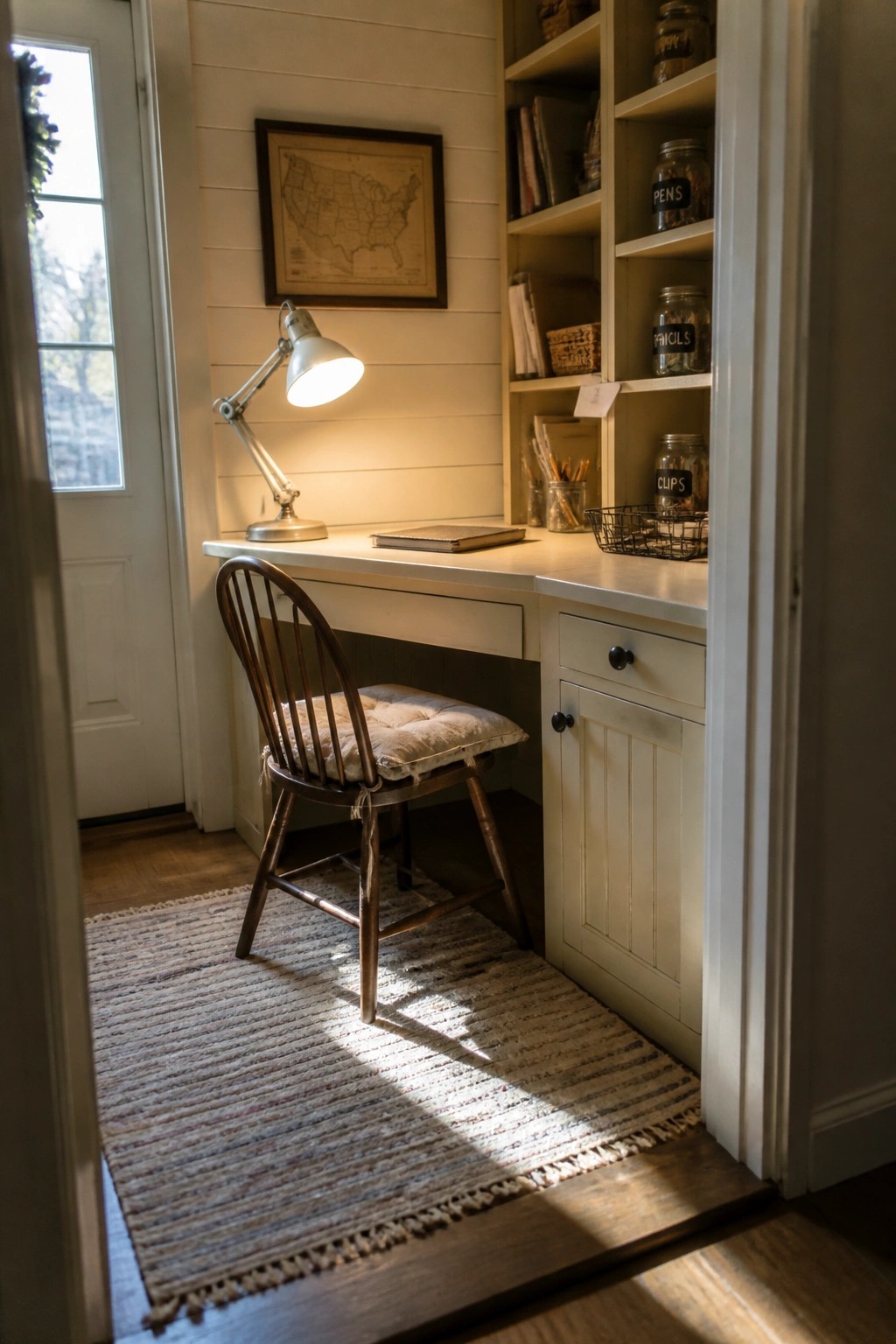
Fitting a desk into a tight spot works better when you add shelves and cabinets right around it. The storage sits above and beside the work surface, so you gain room for supplies without pushing anything else into the middle of the floor.
This setup suits older homes or apartments where a spare closet or shallow alcove sits empty. Keep the colors light and the shelves open so the area still feels open rather than boxed in.
Add a Living Wall to Open Up a Small Office
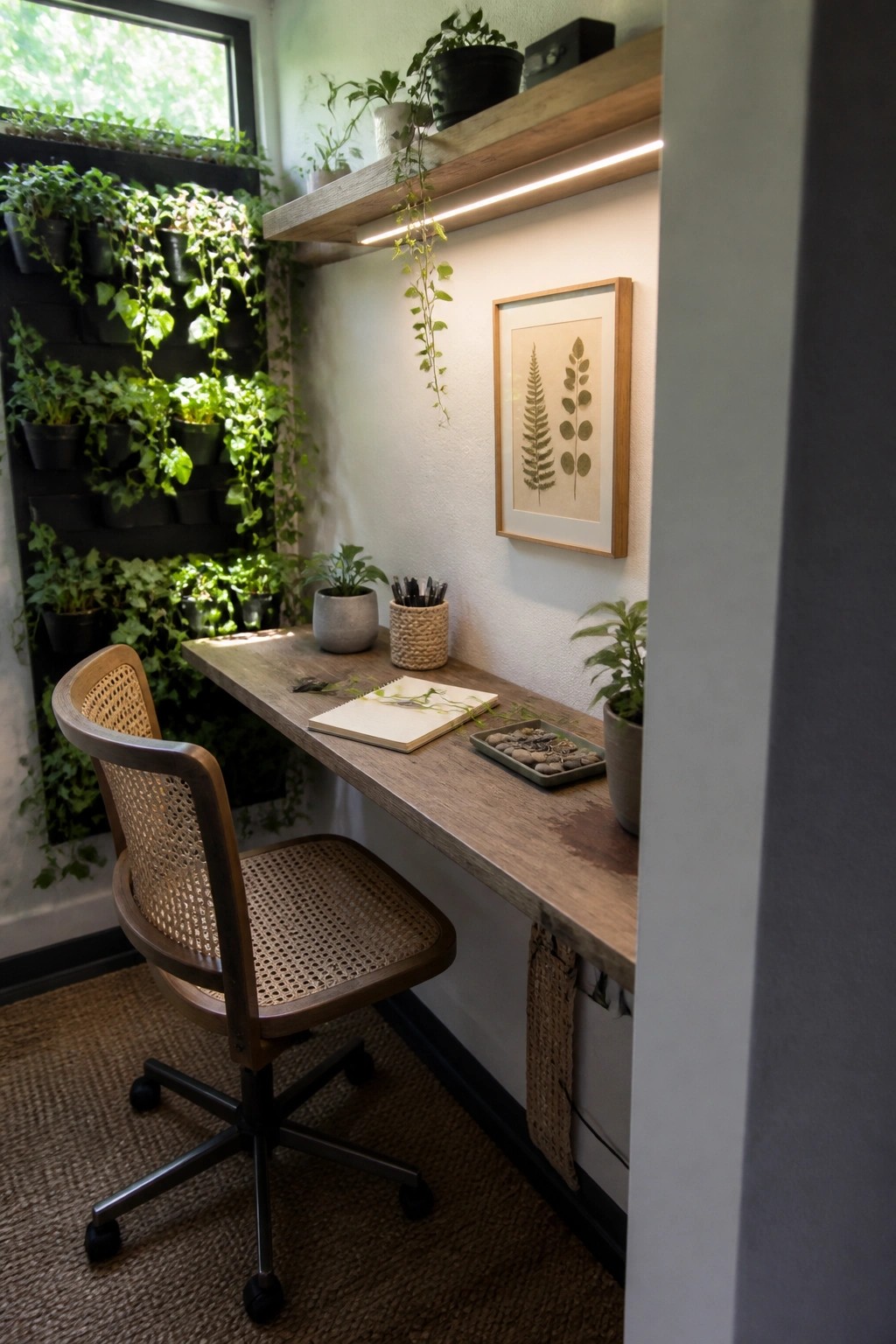
A wall covered in plants can make a tiny workspace feel much larger and more inviting. The greenery adds life and softens the hard surfaces without taking up any floor space.
This idea works best in corners or narrow rooms where you need every inch. Keep the plants in matching pots on a simple grid and choose varieties that tolerate indoor light so the wall stays full without constant fuss.
Hang a Corkboard Above the Desk

A corkboard on the wall gives you a place to pin notes, reminders, and a couple of prints without crowding the desk surface. This keeps the work area feeling open even when the room itself is small.
It works best in tight spaces where every bit of floor room matters. Mount it at eye level so it stays easy to use and does not compete with the desk for attention.
Built-In Shelving Over A Daybed
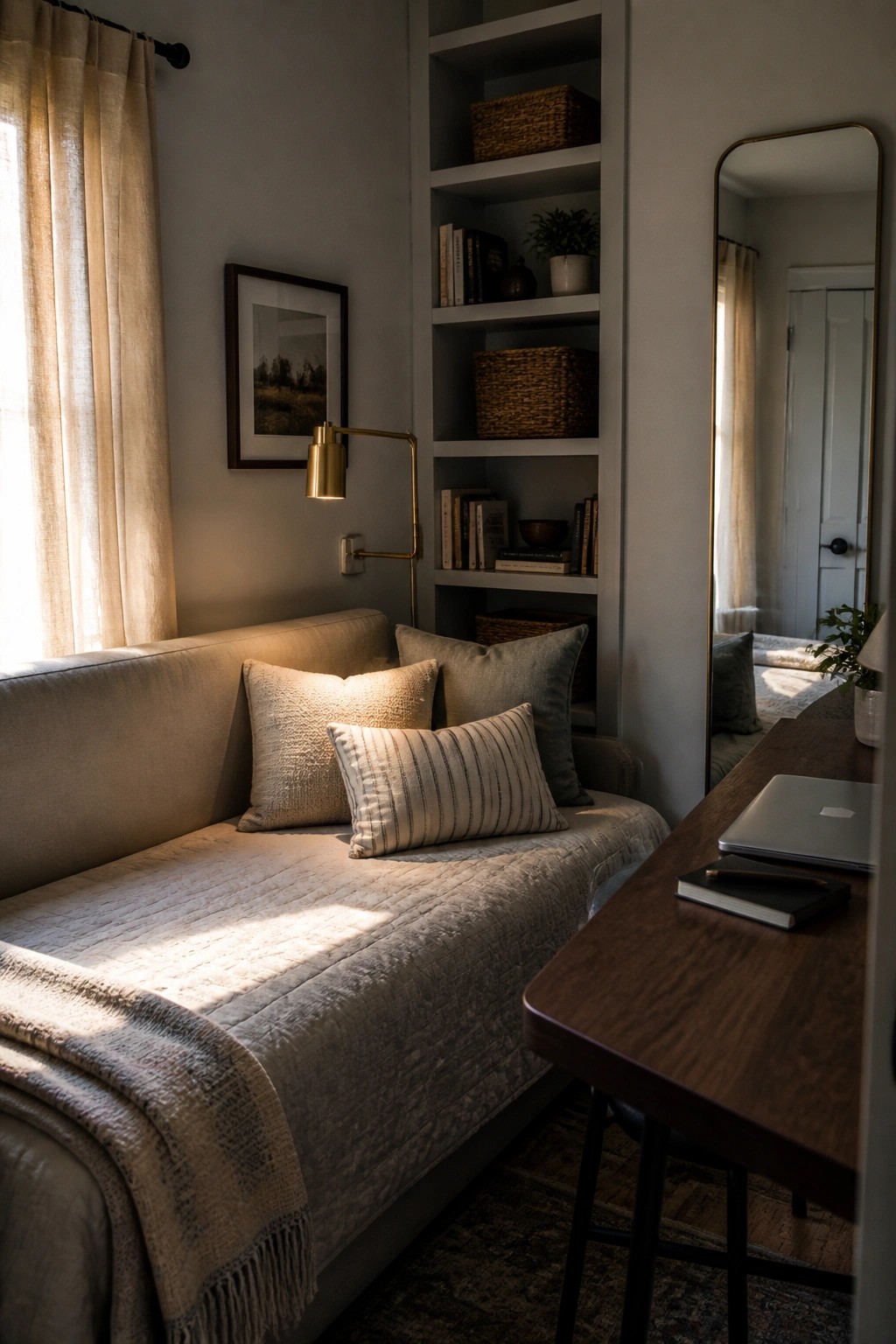
One way to keep a small home office from feeling tight is to run built-in shelves above a daybed. This setup adds storage for books and baskets without taking up any floor space, and the daybed itself can double as seating or an extra bed.
It works best in narrow rooms or guest spaces that need to handle work during the day. Keep the shelves simple and not too deep so the room still feels open.
Pegboard Walls Keep Small Offices Organized
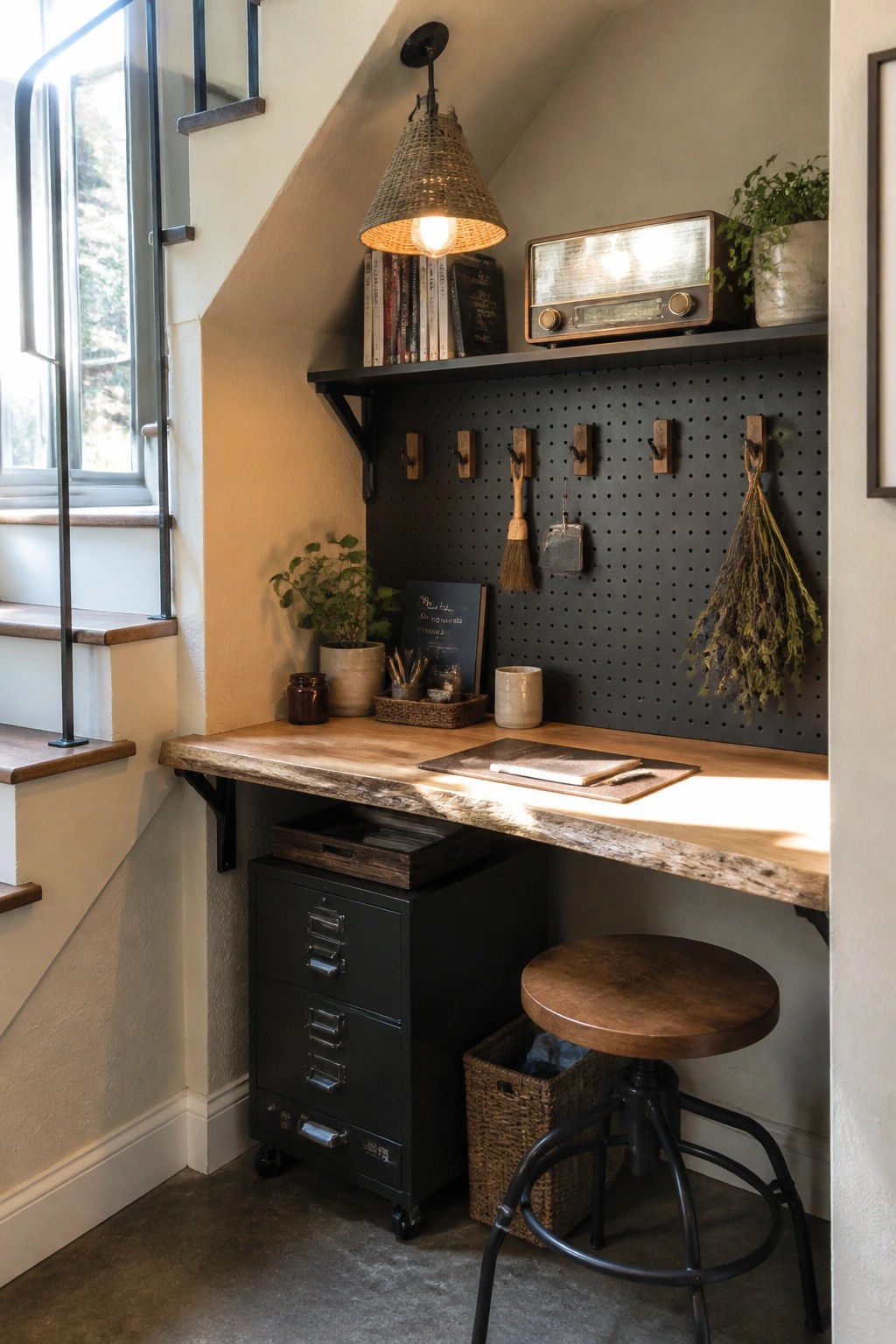
A pegboard adds quick vertical storage in a tight workspace and keeps the desk clear for actual work. It turns blank wall space into a spot for tools, notes, and supplies that would otherwise pile up.
This setup suits narrow corners or under-stair nooks where floor room is limited. Place hooks at different heights for items used daily and leave the surface below free for writing or a laptop.
Natural Materials Keep Small Offices Feeling Open
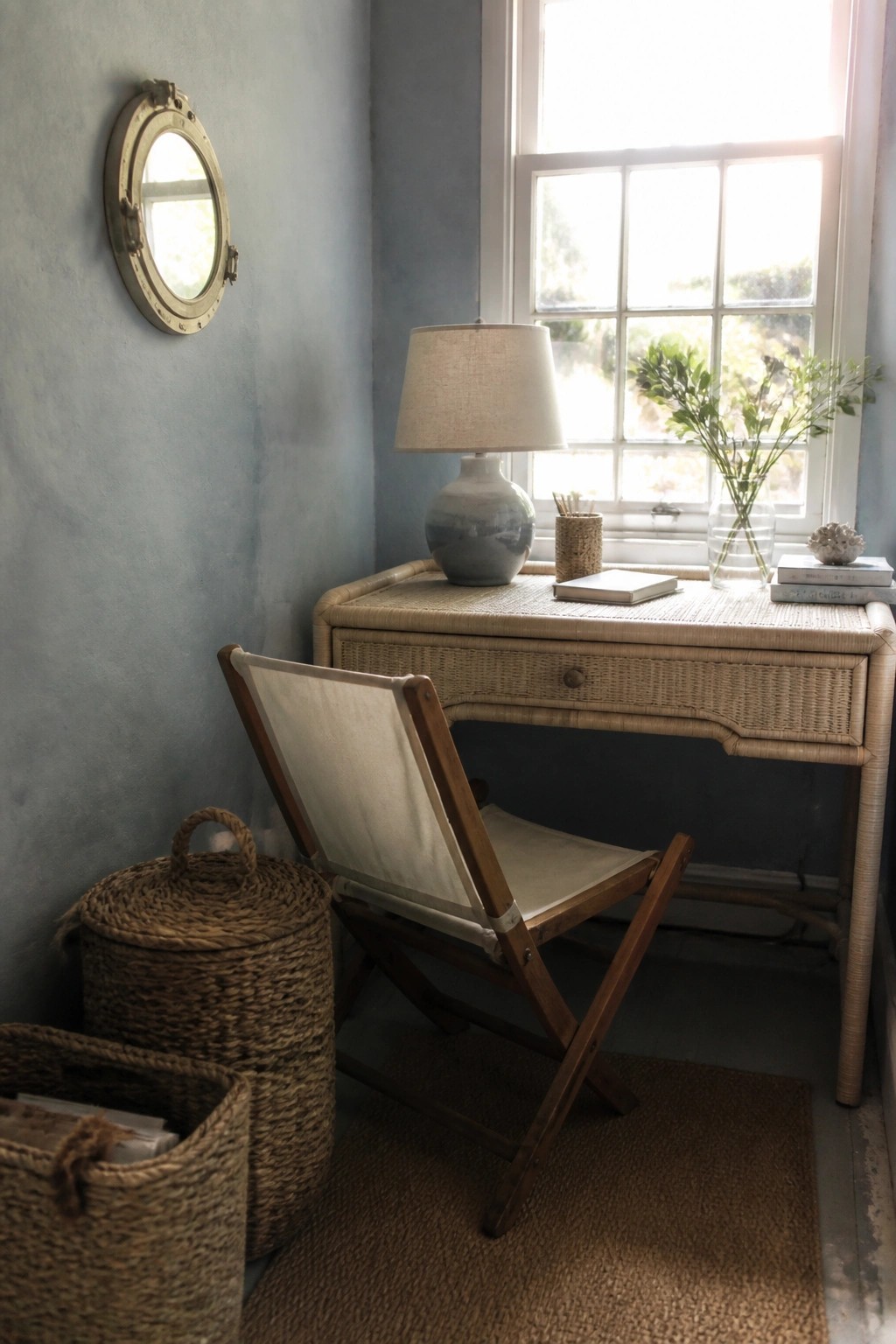
A desk made from light natural materials like rattan works well when space is tight because it adds texture without making the room feel heavy or closed off. The woven surface and simple lines let light move through the area more easily than a solid wood or dark piece would.
This setup fits best in corners or small rooms where you need the floor to stay clear. Add a folding chair and a couple of woven baskets nearby so storage stays low and loose rather than bulky.
Float a Desk Along One Wall

A floating desk keeps the floor open and makes a narrow spot feel more usable. It works especially well when you need a place to work but do not want furniture legs taking up walking room or making the space feel smaller.
Place it in a hallway corner or against a blank wall and add simple vertical slats behind it for a bit of texture. This setup fits homes where rooms serve more than one purpose and you need the floor to stay clear for movement.
Keep The Desk Narrow To Leave Room To Move
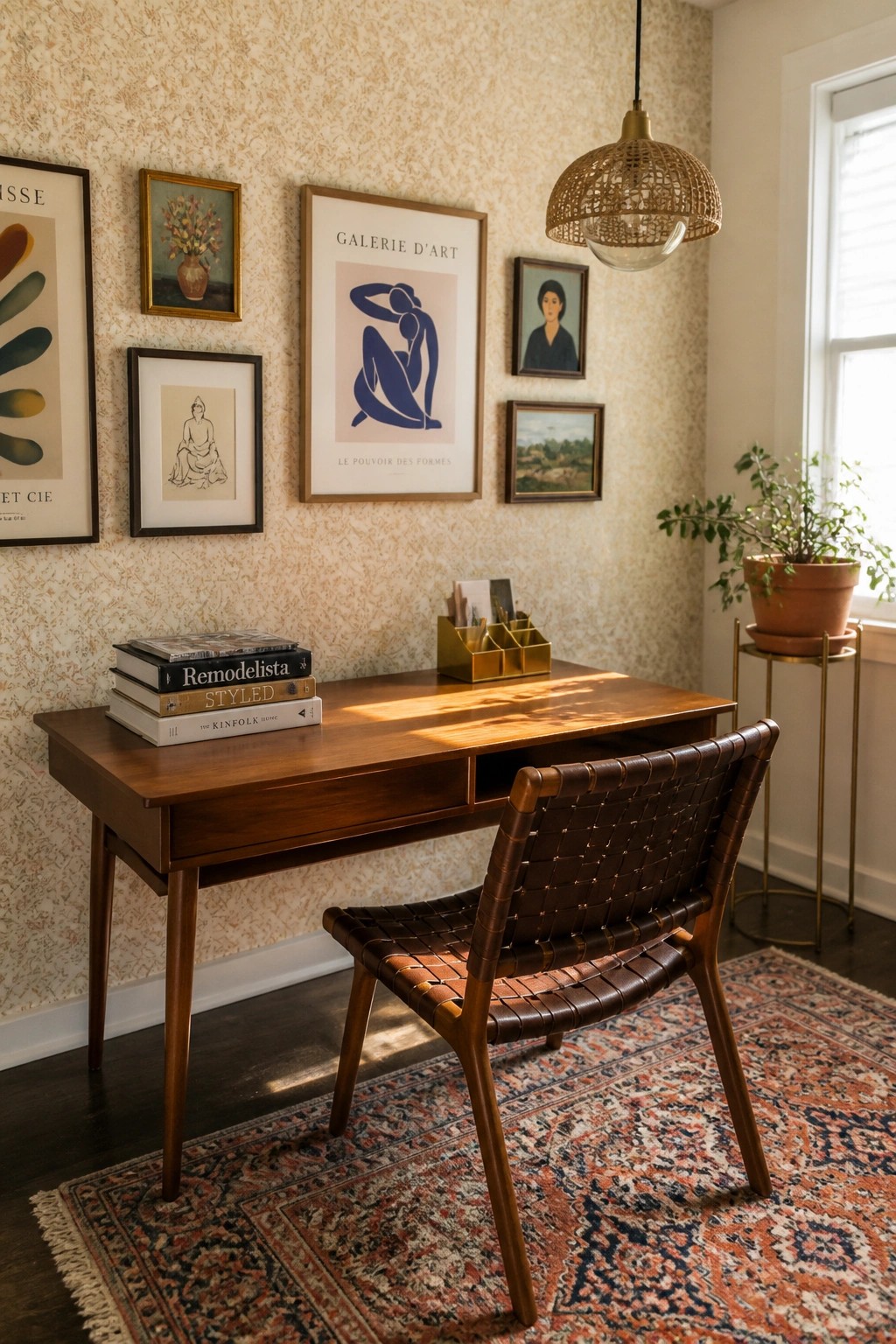
A narrow desk works well when space is tight because it leaves more floor open and keeps the room from feeling boxed in. The desk in this setup stays simple with just enough room for a few books and a small organizer, so nothing crowds the area.
This approach suits small bedrooms, hallways turned into offices, or corners that already feel full. Stick to one or two pieces of furniture and let the wall carry the look instead of adding extra storage pieces that eat up space.
Use A Drop Front Desk In Small Rooms
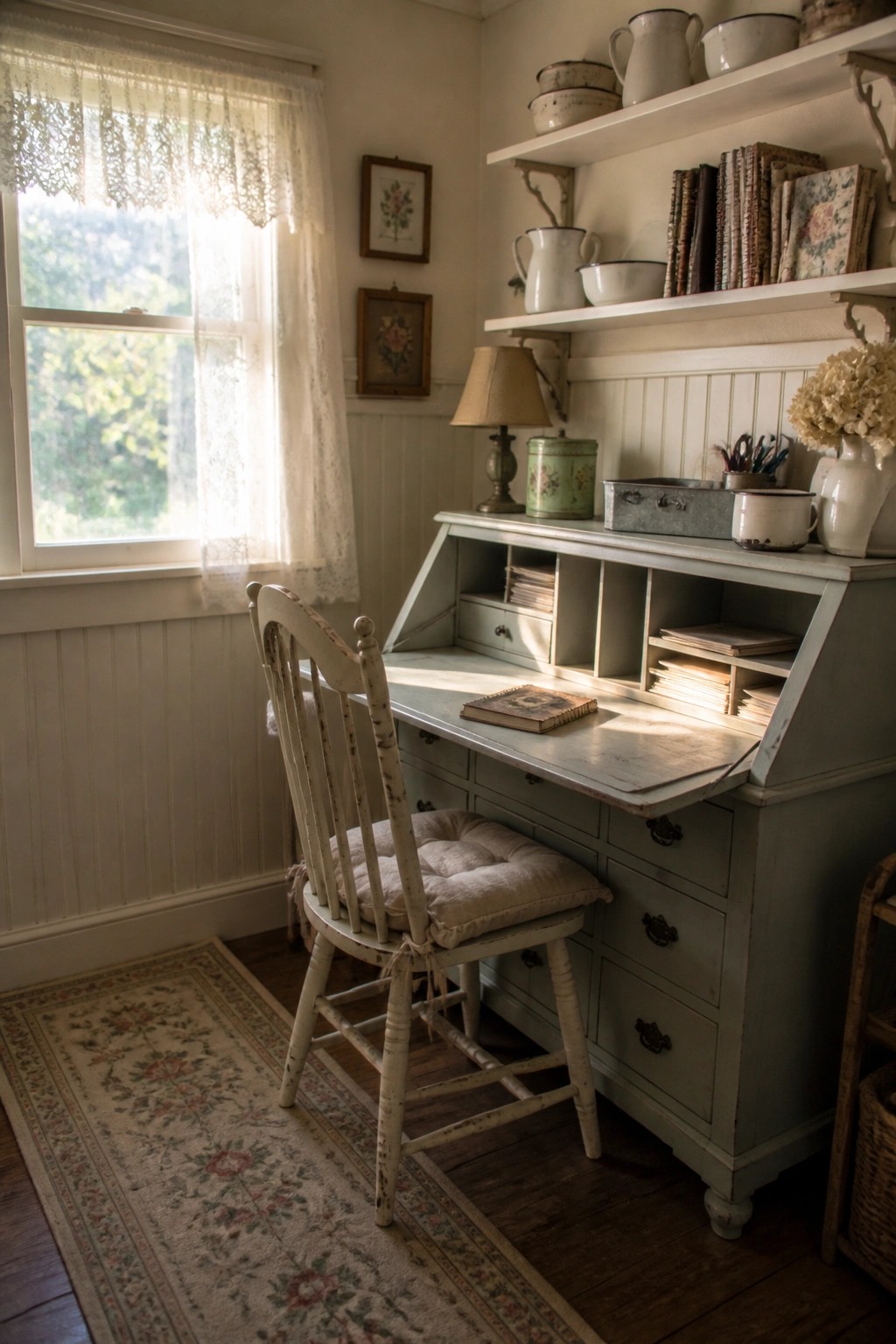
A drop front desk gives you a real work surface that folds away when the day ends. This keeps the floor clear and stops the room from feeling crowded even when the space is tight.
It works best in corners or along a short wall where a full desk would block movement. Add a couple of open shelves above for papers and supplies so everything stays within reach without extra furniture.
Frequently Asked Questions
Q: Where do I start when picking a desk for a really tight corner?
A: Measure your space first and go for a slim desk that hugs the wall. A floating style frees up floor space and keeps things open. Skip anything bulky that sticks out too far.
Q: How do I deal with all the papers and supplies piling up?
A: Use wall shelves or a pegboard right above your desk. This keeps things off the surface and out of the way. You will feel less boxed in right away.
Q: Is there a way to make the area feel bigger with just paint?
A: Light colors on the walls help reflect what light you have. Paint the ceiling the same shade to blur the edges. But test a small patch first since some shades can wash out oddly.
