


I have noticed that a workspace only settles into something usable once the surface stays clear and the cords stop fighting for space.
When I cleared my own desk cables last month the room felt less crowded even though the furniture stayed exactly the same.
Most people discover too late that a table with no plan for wires turns into the first thing they notice every morning.
Simple adjustments to height and material often decide whether the corner supports steady work or just adds another layer of clutter to manage.
A few tested layouts make the difference.
Floating Desks Open Up The Room

A floating desk mounted to the wall gives you a workspace without crowding the floor. It keeps the room feeling open and makes the whole area easier to clean around.
This style works best in smaller rooms or spots where you want the desk to blend in rather than stand out. Keep the surface clear and use the built-in drawer for anything you need close by.
Low Tables With Floor-Level Cable Routing

A low table lets you keep the work surface clear while sending cables down and along the floor instead of across the top. The dark wood and simple setup make the whole area feel calmer because nothing hangs or trails where you can see it.
This approach suits homes that already use floor seating or want a lower desk height. Check that the table legs leave enough space underneath for a simple routing tube or channel so cords stay out of the way but still reach outlets easily.
Install a Floating Shelf Above the Desk

A floating shelf with built-in lighting gives you extra storage without crowding the desk surface. It keeps books, a small bowl, and a few other items off the main work area while casting a soft glow downward that helps with evening tasks.
This setup works well in smaller rooms or apartments where wall space is limited. Mount the shelf at a comfortable height so it does not block views or feel too low when seated. Make sure the lighting is dimmable so it stays easy on the eyes during long hours.
Built-In Desks In Small Alcoves

A built-in desk fits neatly into an alcove and gives you a contained spot to work without the desk taking over the room. The setup keeps everything in one place, with shelves above for books and supplies and a drawer below to tuck things away. That layout helps the surface stay clear, which makes the whole area feel calmer and easier to keep tidy.
This works well in homes with odd corners or narrow rooms where a freestanding desk would feel too big. Add a simple wall panel for notes if you need a spot for reminders, and keep the finish light so the space does not feel closed in. Watch the height of the shelves so they do not block light from a nearby window.
Adjustable Desks That Hide Cables
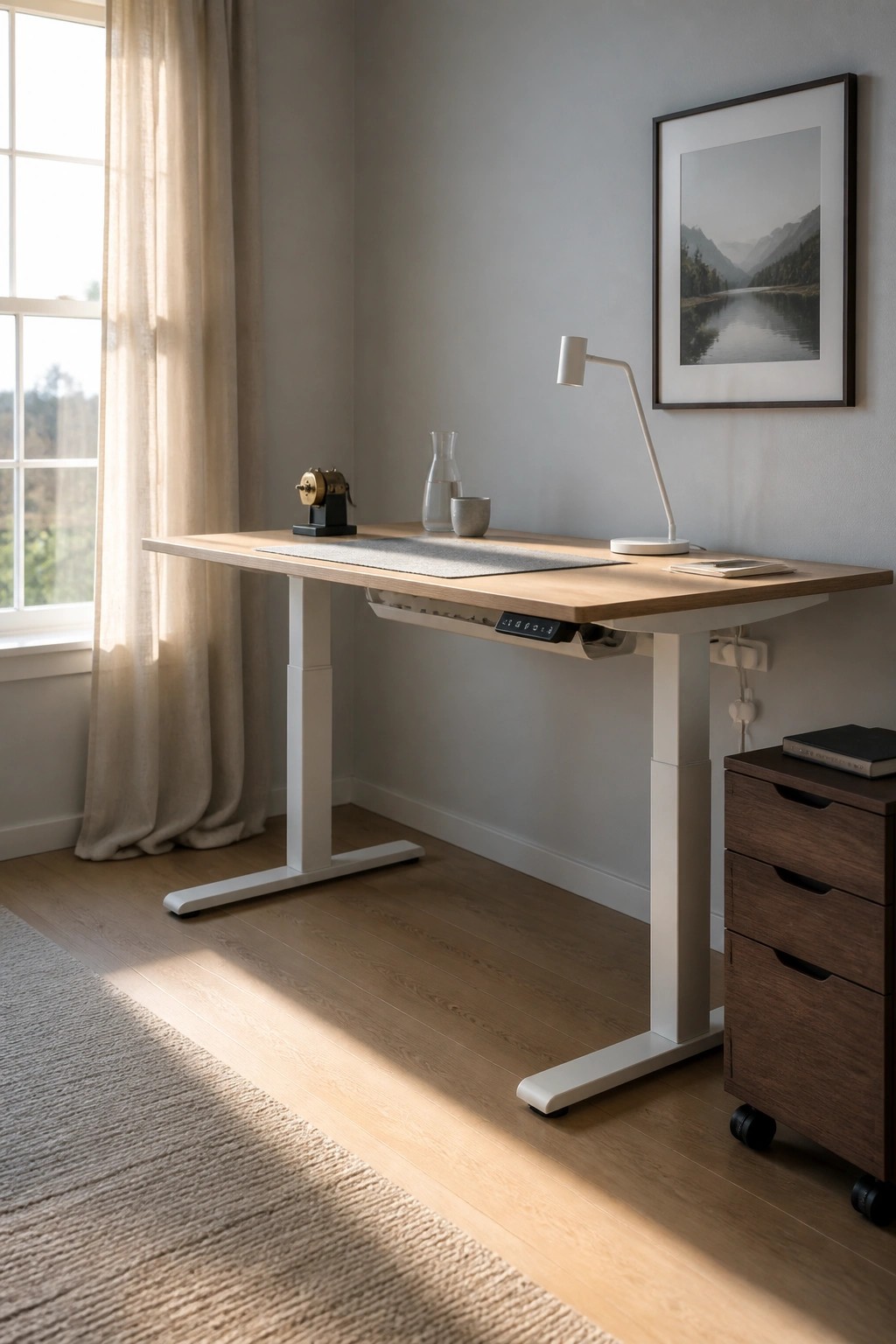
Many people prefer a desk that adjusts in height without leaving cords and boxes in plain view. The clean front edge and tucked away control panel make the whole surface feel calmer and easier to keep clear during the day.
This works best in smaller home offices where you want the room to stay open. Keep the top mostly empty except for a lamp and a couple of daily items, and the light wood tone helps the space feel less heavy.
Built-In Desks With Window Seating
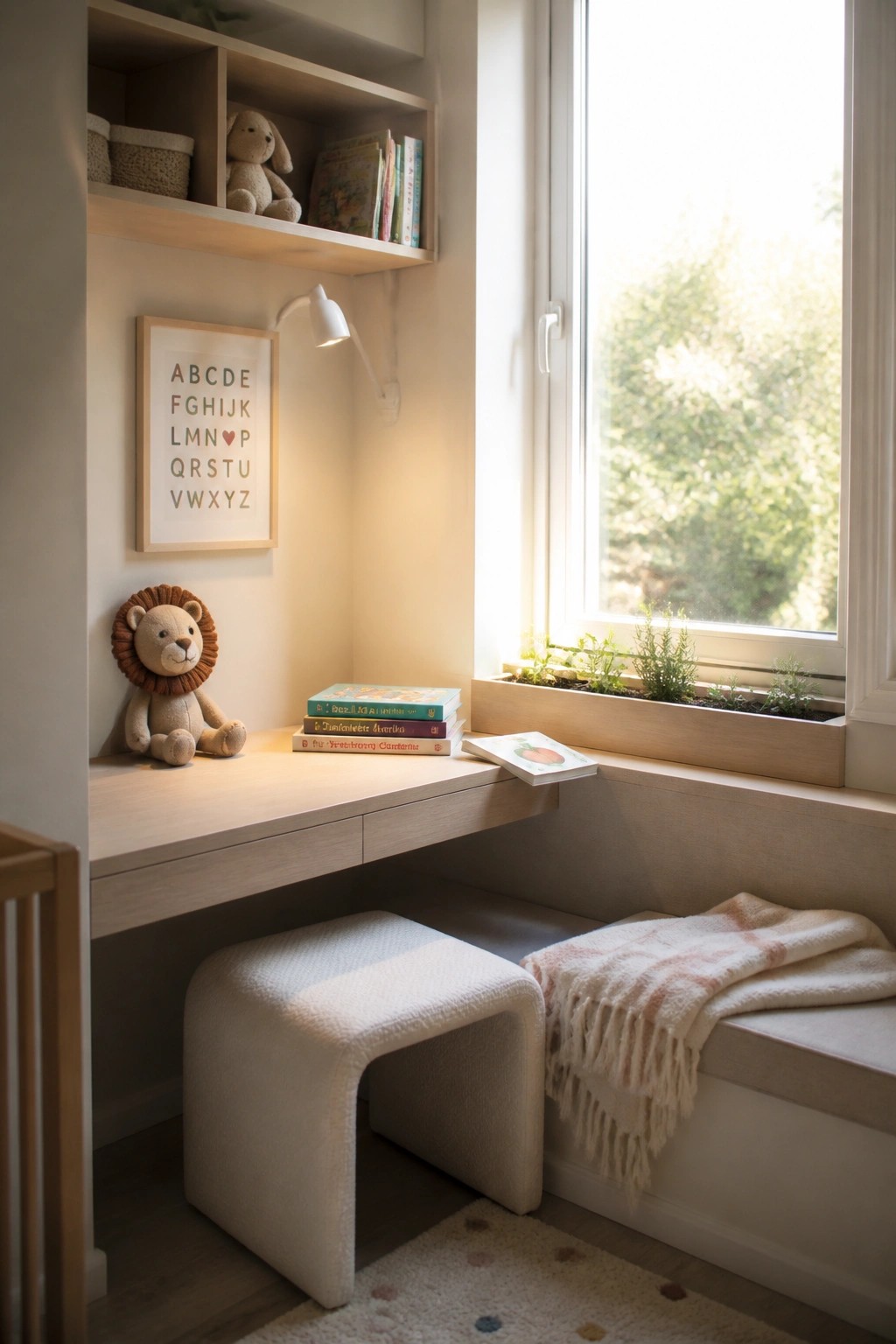
A desk built into a window area gives you natural light all day and keeps the workspace from feeling boxed in. The bench next to it adds a place to sit or store a few things without adding more furniture that takes up floor space.
This works best in smaller rooms or kids’ spaces where you want one calm spot for reading or light work. Keep the surface mostly clear and use the bench for overflow so the desk stays simple and easy to maintain.
Add an Under Desk Cable Tray

One simple way to keep a workspace calm is to get the cables off the floor and out of sight. An under desk tray holds power cords and monitor cables in place so the tabletop stays clear and the room feels less cluttered.
This approach works best on a straightforward wood desk in a small room or corner setup. It suits anyone who wants a clean surface without visible strips or boxes, and it keeps daily use easy since everything stays reachable but hidden.
Use a Simple Fabric Mat on the Desk

A plain cloth mat under the mouse and a few daily items helps the desk feel calmer without adding much. It creates a soft boundary that keeps small things from scattering and cuts down on the hard surface look that can feel too stark in a minimalist setup.
This works best in smaller home offices or any workspace where you want fewer visual distractions. Choose a neutral fabric that sits flat and blends with the desk tone so cables stay easier to tuck away along the edges.
Built-In Side Power Strips For Easy Charging

A desk with a power strip built right into the side makes a big difference when you want fewer cords showing. It lets you plug in a lamp or charger without running extra wires across the surface or down the front.
This setup works best in smaller rooms or shared spaces where you want the desk to stay simple. Place the strip low enough that it stays out of the main view but still easy to reach when needed.
Desktop Power Modules For Reduced Cord Clutter

A desk with outlets built right into the surface cuts down on the usual tangle of cords. You can plug in a lamp or charger without running cables across the top or along the floor, which helps the whole workspace stay calm and simple.
This kind of desk works best in smaller home offices where every cord shows. Choose one with a raised back panel so the wiring stays hidden while still giving easy access when you need it.
Pop Up Outlets For Cleaner Cable Control

A built in pop up outlet right on the work surface lets you plug in a laptop and other devices without cords running everywhere. It keeps the desk looking calm and simple even when everything is in use.
This setup works best on a kitchen island or long counter that doubles as a workspace. It suits people who want the surface free for other tasks once the laptop is closed.
Narrow Built-In Desks For Small Work Nooks

A narrow built-in desk turns an empty corner into a dedicated workspace without crowding the room. It keeps the setup simple and leaves the rest of the space open.
This works best in apartments or smaller homes where a full desk would feel too big. Tuck a stool underneath when not in use and keep the surface clear so the area stays calm.
Pegboard Storage Keeps The Workspace Clear

A pegboard mounted above the desk moves everyday items up and off the surface. This keeps the tabletop open for actual work and helps the whole area stay simple and calm.
It suits small rooms or anyone who wants less visual clutter. Place it at eye level, add a few hooks and small bins, and only keep what you reach for daily. The rest can stay in a drawer.
Under-Desk Cabinets For Hidden Storage
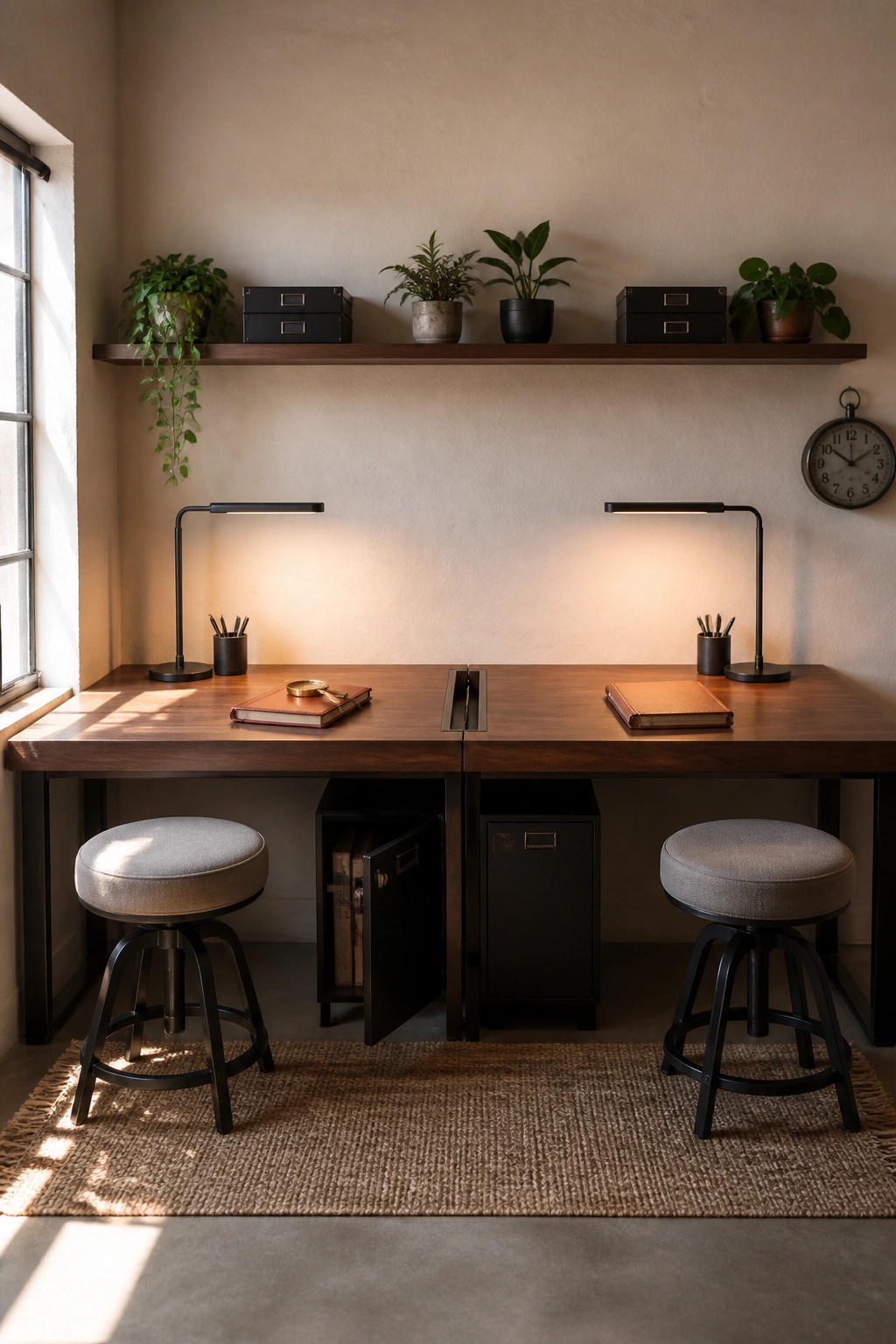
Low cabinets placed right under a desk give you a place to keep books and supplies without leaving anything out in the open. This keeps the work surface calm and makes the whole area feel less crowded.
It works best in smaller rooms or shared spaces where you need easy access but do not want extra furniture taking up floor room. Make sure the cabinets sit far enough back so your legs have space when you pull up a stool.
Wall-Mounted Desks With Integrated Charging Access

A floating table keeps the floor clear and gives the whole area a lighter feel. It works especially well when you want a calm surface that does not get crowded by legs or bulky bases.
The real advantage shows up when the table includes power access right where you need it. This setup suits small rooms or any space where you want to plug in a mirror, lamp, or charger without cords running across the top.
Keep the Desk Surface Clear
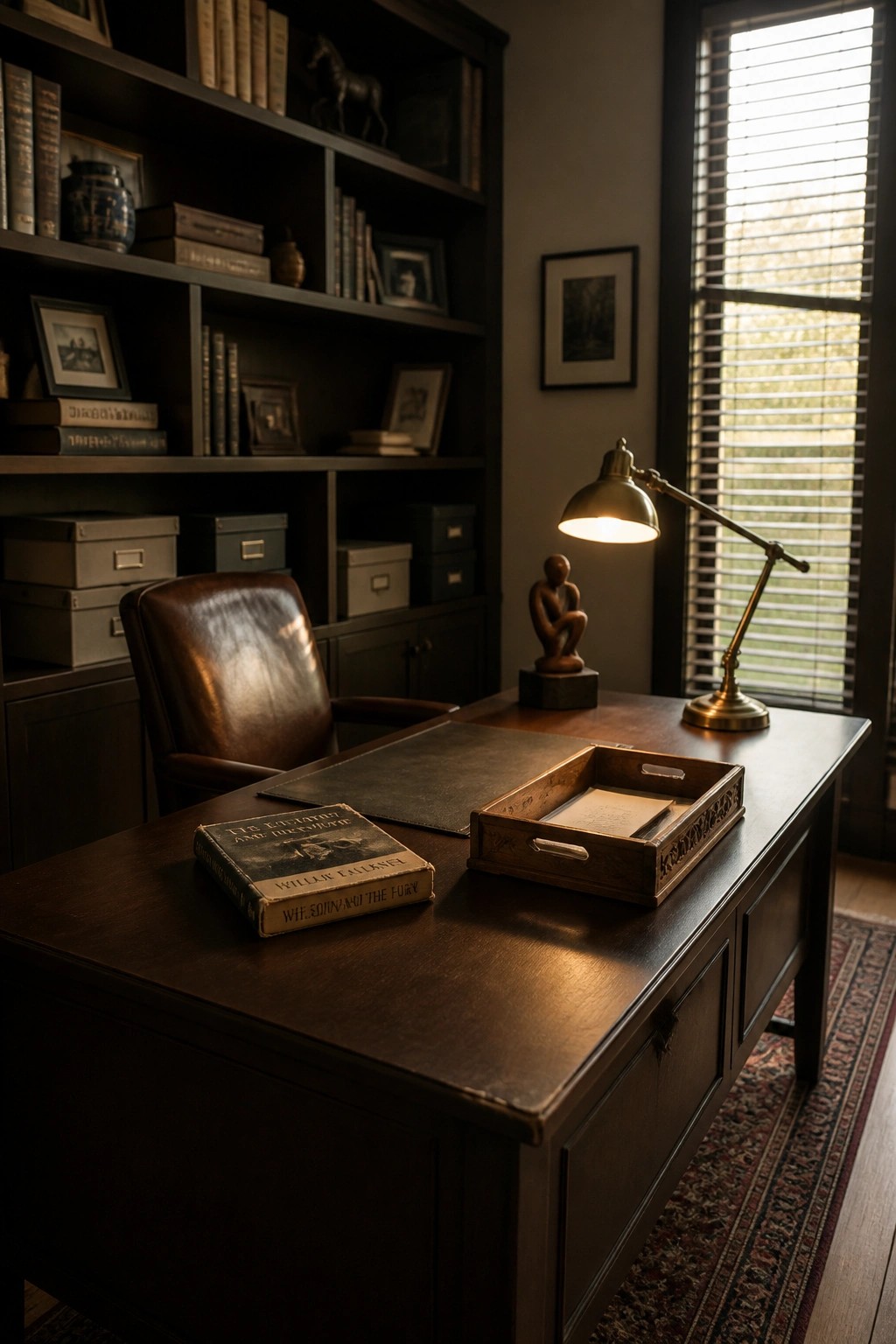
A mostly empty desk makes it easier to focus and cuts down on visual noise during the workday. With just a lamp, one tray, and a book or two, the surface stays calm and ready for whatever task comes next.
This approach works best in a home office where the desk sits in a smaller room. Store extra papers and supplies in nearby drawers or shelves so only the current items stay out. It suits anyone who wants fewer distractions without giving up a traditional wood desk.
Alcove-Mounted Workstations For Compact Rooms

A floating desk built right into an alcove gives you a workspace that feels separate without needing a whole room. It stays simple because the surface has no legs in the way and the walls around it already define the area.
This works best in homes with small rooms or leftover corners near windows. Keep the finish light and limit what sits on top so the desk stays calm and easy to clear at the end of the day.
A Low Wooden Desk by the Window
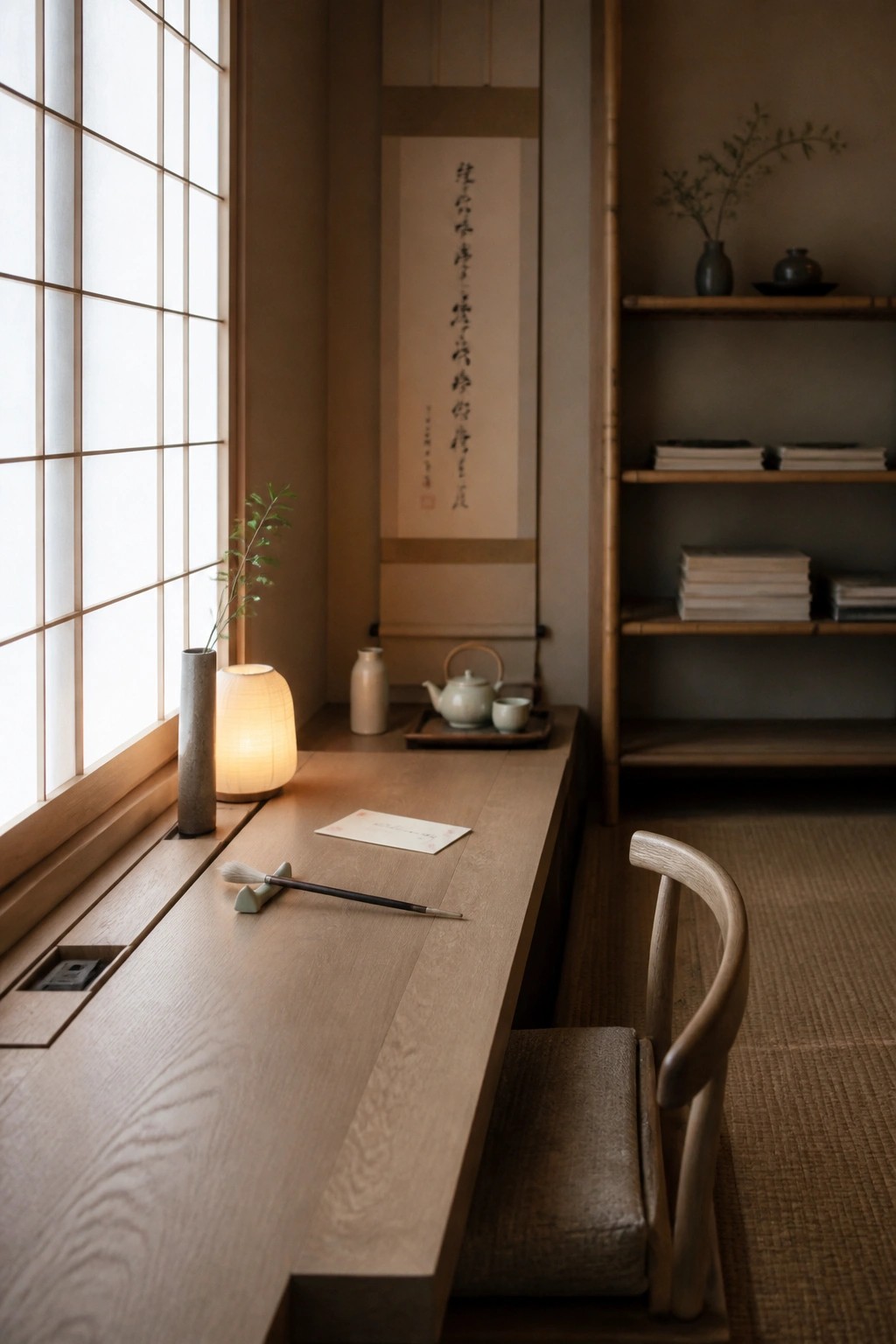
A long, low wooden desk works well when you want a workspace that stays calm without much effort. The natural grain and simple lines keep the focus on the task instead of the furniture itself, and the height lets you sit close to the floor or use a low chair.
This setup suits smaller rooms or homes that already lean toward natural materials. Keep only a few tools on the surface so cables stay out of sight and the desk never feels crowded.
Adjustable Drafting Tables For Focused Work

A tilting table gives you a better angle for drawing or planning without needing extra stands or piles of books. It keeps the surface clear and makes the whole workspace feel calmer because everything stays within reach but nothing crowds the view.
This kind of table suits small studios or home offices where you want one solid piece instead of multiple layers of gear. Watch the height so your arms stay relaxed, and pair it with a simple stool that tucks away when not in use.
Fold-Down Desks For Hidden Work Areas

A fold-down desk gives you a workspace only when you need one. The rest of the time it tucks back into the wall or cabinet, so the room stays open and free of clutter. This setup works well if you want a calm space that does not feel like an office all day long.
It suits bedrooms or small living areas where a full desk would crowd the room. Many versions include a shallow shelf or compartment behind the drop-down surface, which makes it easier to run power cords inside and keep them out of sight when the desk is closed.
Frequently Asked Questions
Q: How do I hide cables on a plain table without built-in channels? A: Run the cables along the back edge and hold them with a few adhesive clips. Drop the excess length straight down the rear leg so it stays out of view and out of the way.
Q: What if my monitor needs its own stand or arm? A: Mount the arm to the back edge and feed its cable down the same path as your other wires. This keeps the surface flat and stops the cord from dangling across the desk.
Q: How do I stop daily items from cluttering the top? A: Keep only what you use right now in one small tray at the corner. Put the rest in a single drawer so the table stays open and calm.
