

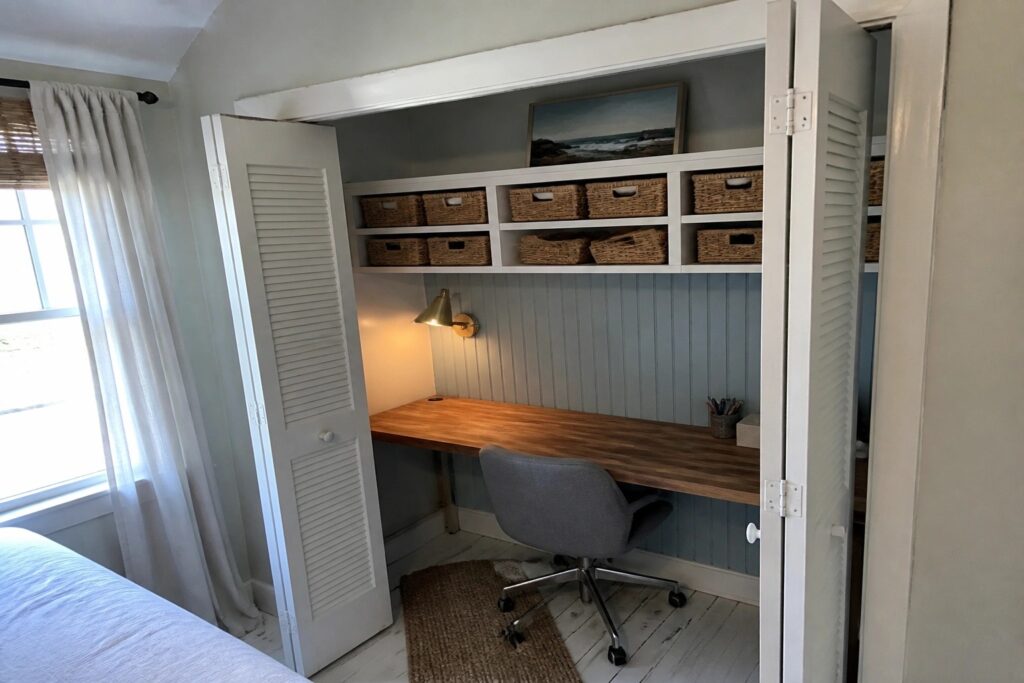
I have always noticed that a closet turns into a workable office only when the desk sits at the right height and the shelves leave enough room for your arms to move freely.
In real homes the best setups usually keep the door swing clear so you can step in and out without bumping into the chair or knocking things over.
I tend to check the outlet placement first because running an extension cord across the floor quickly makes the whole idea feel less practical than it looked on paper.
Lighting matters too since most closets lack any natural light and a single overhead bulb often leaves the work surface in shadow once you sit down.
A few of these ideas are worth testing at home.
Turn a Closet Into a Compact Office

Many homes have a spare closet that mostly sits empty. Adding a simple desk and a few upper shelves turns that space into a quiet work area without taking over a bedroom or living room.
This works best in smaller homes or rooms where a full desk would feel too big. Keep the storage simple with baskets on the shelves so papers and supplies stay hidden when the door closes.
Built-In Desks For Small Or Awkward Spaces
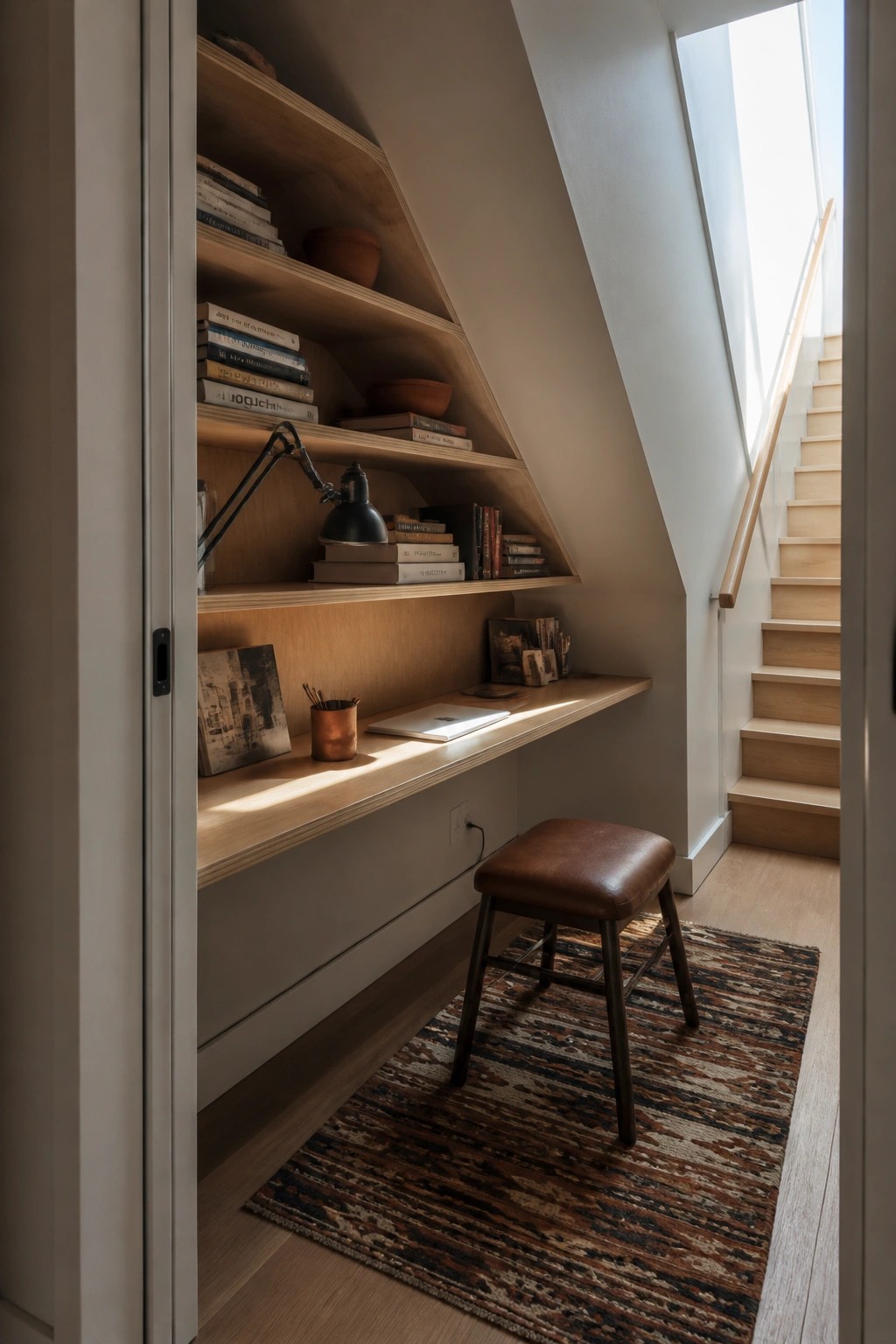
Many homes have closet areas or under-stair spots that never get used for much. A built-in desk with shelves above it makes the space functional without needing a separate room.
This works best in smaller homes where every bit of floor space counts. Keep the desk depth shallow and choose a stool that can tuck away when not in use.
Built-In Shelving Turns A Closet Into A Usable Office
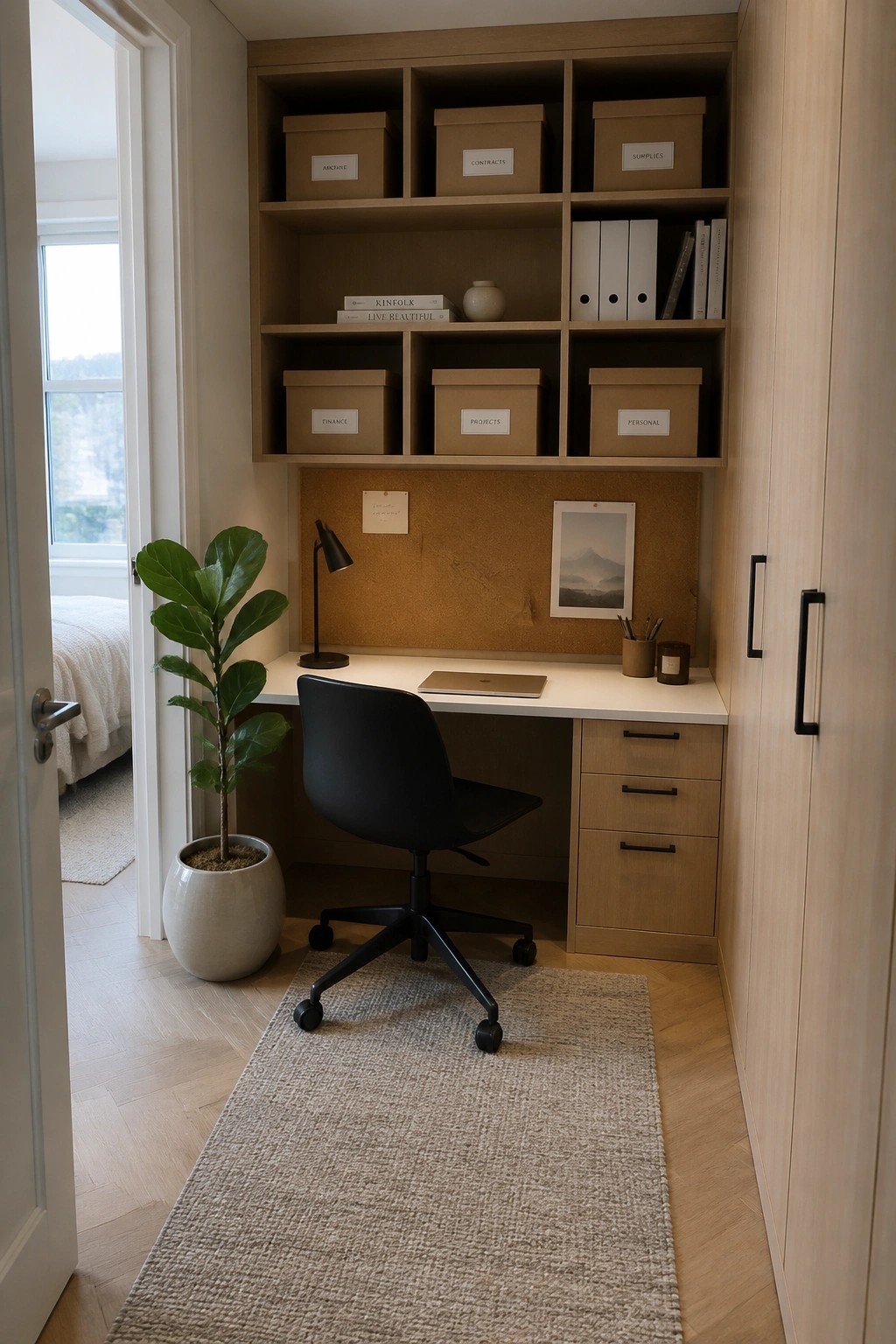
Many people are turning spare closets into workspaces, and built-in shelving is the part that makes it actually work. The shelves give you room for files, supplies, and books without crowding the desk area, so the space stays open enough to sit and focus.
This idea suits smaller homes or apartments where there is no extra room for a full office. Keep the lower section clear for the chair and add drawers or labeled bins higher up so everything stays sorted but out of sight.
Glass Doors Hide a Closet Office
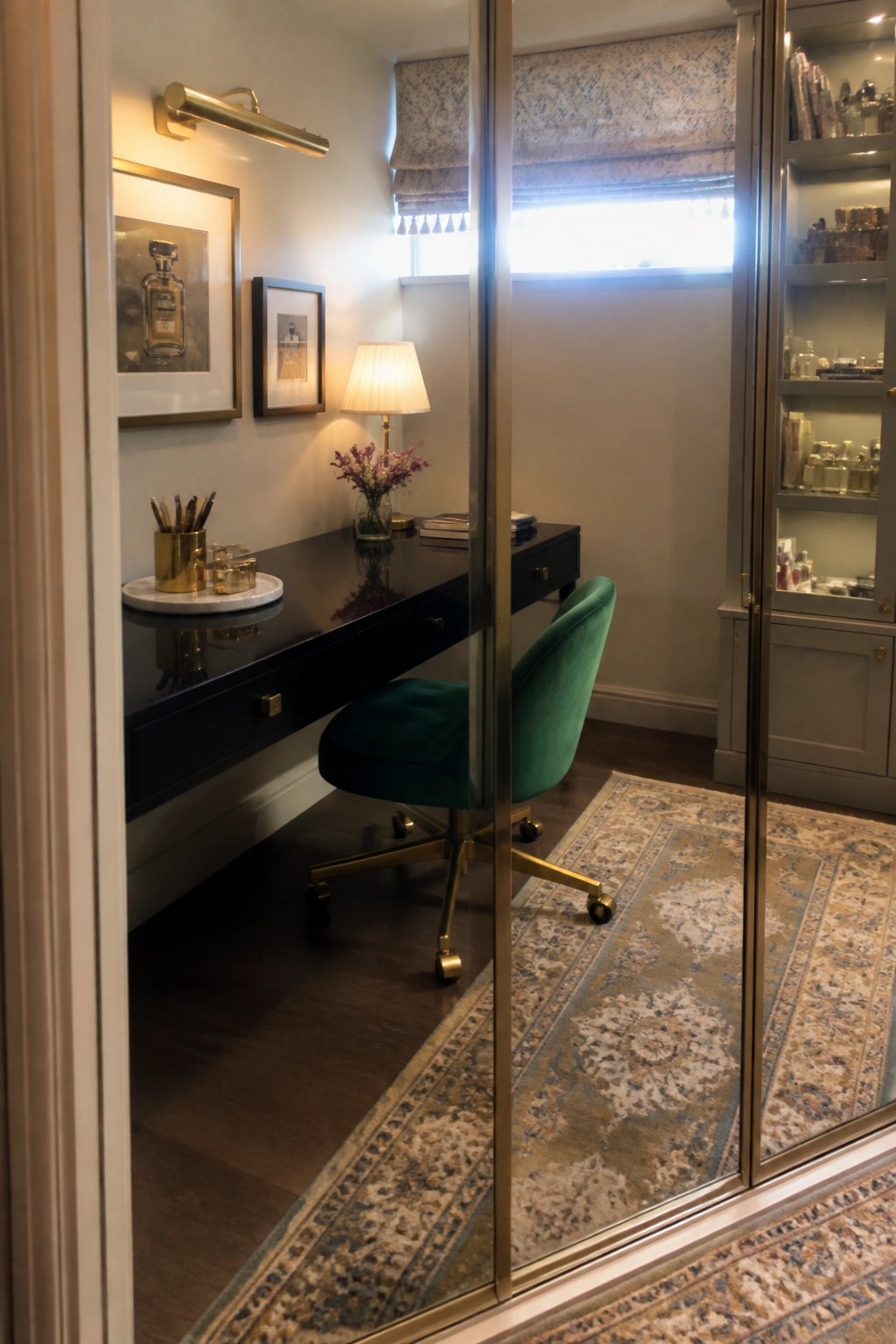
Many people like the idea of sliding glass doors on a closet because they let you close off the workspace without making the room feel smaller. The doors keep things contained while still letting light in, so the office does not take over the rest of the space.
This setup works best in bedrooms or guest rooms where you need the area to serve more than one purpose. Keep the desk simple and choose a chair that rolls easily so the space stays practical when the doors are open.
Use A Pegboard To Organize A Closet Office

A pegboard wall turns a tight closet into a workable office by giving you vertical storage that keeps everything in sight. It frees up the desk surface and makes it easy to grab what you need without digging through drawers.
This setup works best in small homes or apartments where a full room is not an option. Mount the pegboard on the back wall, add a simple shelf above for bins, and keep the desk depth shallow so the chair still fits.
Built-In Desks Turn Closets Into Workspaces

Many homes have a closet that sits empty most of the time. Fitting a desk inside turns that space into a quiet work area without taking up floor space in other rooms.
This works best in smaller homes or apartments where rooms need to serve more than one purpose. Keep the finish simple and add a light under the shelf so the area stays bright and easy to use during the day.
Dark Paint Creates A Cozy Closet Office

Painting the walls and built-ins a deep dark color turns a small closet office into a space that feels intentional instead of cramped. The dark tone wraps around the shelves and cabinetry, giving the room a quiet library feel that makes it easier to focus.
This approach works best in closets that already have some natural depth and good task lighting. It suits older homes or any space where you want the office to feel separate from the rest of the house without adding walls.
Build A Desk And Shelves Inside A Closet

A closet can become a useful workspace once you add a simple desktop and wrap shelves around the sides. The built-ins keep everything in one spot and make the area feel more finished than a freestanding desk ever could.
This approach suits small homes or rooms that need to serve more than one purpose. Keep the colors light and add a few open bins so papers and supplies stay visible but tidy.
Turn a Closet Into a Private Work Zone

Many homes have small closets or alcoves that sit empty most of the time. Turning one into a desk area lets you keep the work setup contained and out of the main living space. A sliding door makes it easy to close everything off at the end of the day.
This idea works best in smaller homes or apartments where every room needs to serve more than one purpose. Keep the desk shallow, add a couple of wall shelves above it, and use the door to hide the mess when guests come over.
Fold-Down Desks Turn Closets Into Quick Workspaces
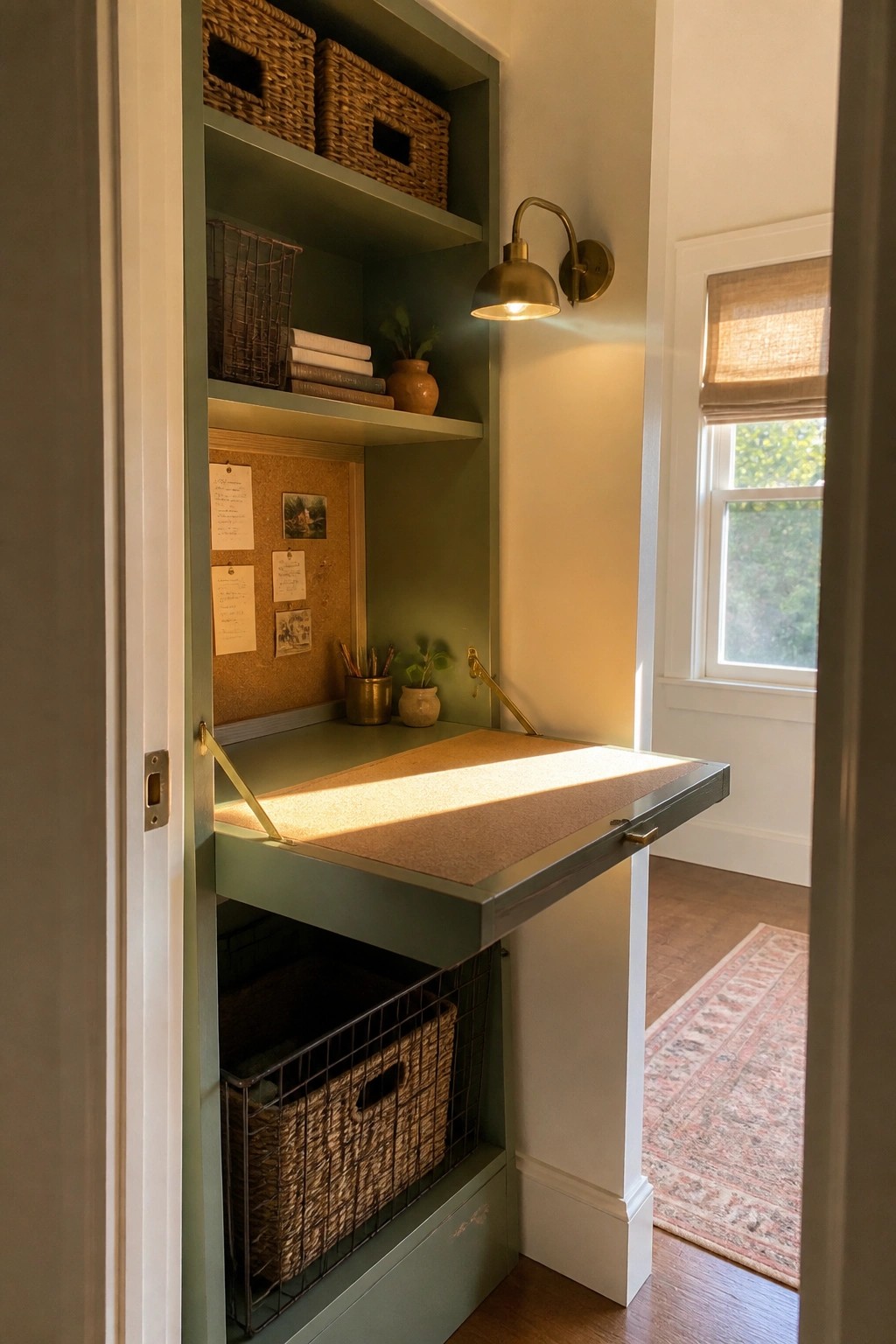
A fold-down desk built into a closet gives you a workspace that stays out of sight most of the time. It works because the surface drops only when needed, and the rest of the cabinet can hold supplies or stay closed.
This setup fits best in smaller homes or rooms that double as something else during the day. Keep the desk height comfortable for sitting, and use the space above for a few shelves so papers and tools stay close without taking over the room.
Turn a Small Alcove Into a Desk Area

A narrow desk tucked into an alcove gives you a place to work without needing a full room. The setup stays simple with just enough surface for a laptop and a few supplies, which helps keep the space from feeling crowded.
This kind of desk works best in homes with unused corners or shallow closets. Choose a desk that fits the width of the space so the chair can move freely, and keep nearby plants to a minimum so they do not block movement.
Mount Shelving Above the Desk for Extra Storage

Running shelves from floor to ceiling above a desk keeps the work surface clear while giving you room for books, boxes, and supplies you need close by. The setup works because everything stays visible and reachable without adding more furniture to the floor.
This approach fits small rooms or closet conversions where space is tight. Use a pegboard on the wall behind the desk for items you grab often, and stick with sturdy brackets so the shelves can hold real weight.
Built-In Desks That Fit Inside Closets

A closet can become a useful desk area with very little construction. Adding a shelf across the opening creates a flat work surface while the existing walls and doors keep everything contained when not in use.
This approach suits small bedrooms or homes where floor space is limited. Keep the inside painted a light color, add one small light, and use the upper shelves for supplies so the desk stays clear for daily tasks.
Built-In Shelving Turns A Closet Into A Workspace

Many homes have a spare closet that sits empty most of the time. Fitting it with a desk and shelves gives you a quiet spot to work without using up space in another room.
This works best in smaller homes or when you want the office tucked away at the end of the day. Dark built-in shelves with simple baskets keep supplies organized and help the area feel complete.
Build A Desk Into The Closet
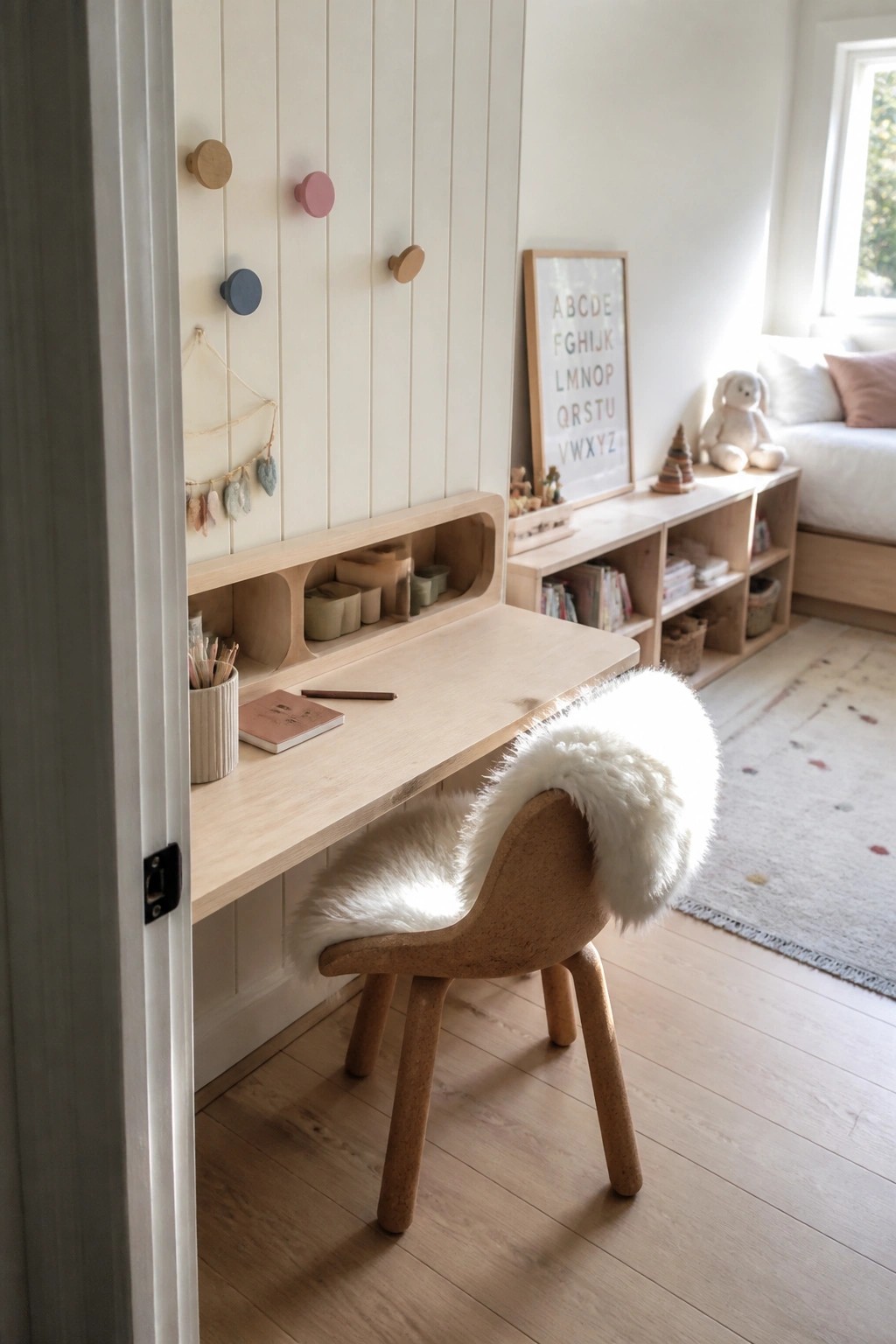
A spare closet can easily become a small work spot if you add a simple built-in desk. This keeps the workspace contained and leaves the rest of the room open for other uses.
It works best in a bedroom or guest room where you need a quiet corner but do not want a full desk taking up floor space. Keep the shelves shallow so the door can still close when the desk is not in use.
Built-In Desk In A Closet

A closet can work well as a small office space when you add a simple desk and shelves above it. The setup keeps your work area contained while still giving you room for books, supplies, and a few basic tools like a lamp.
This idea suits smaller homes or rooms that lack a spare bedroom. Keep the desk surface clear enough for daily use and use the upper shelves for things you do not need every hour.
Built-In Shelves Turn A Closet Into A Workspace
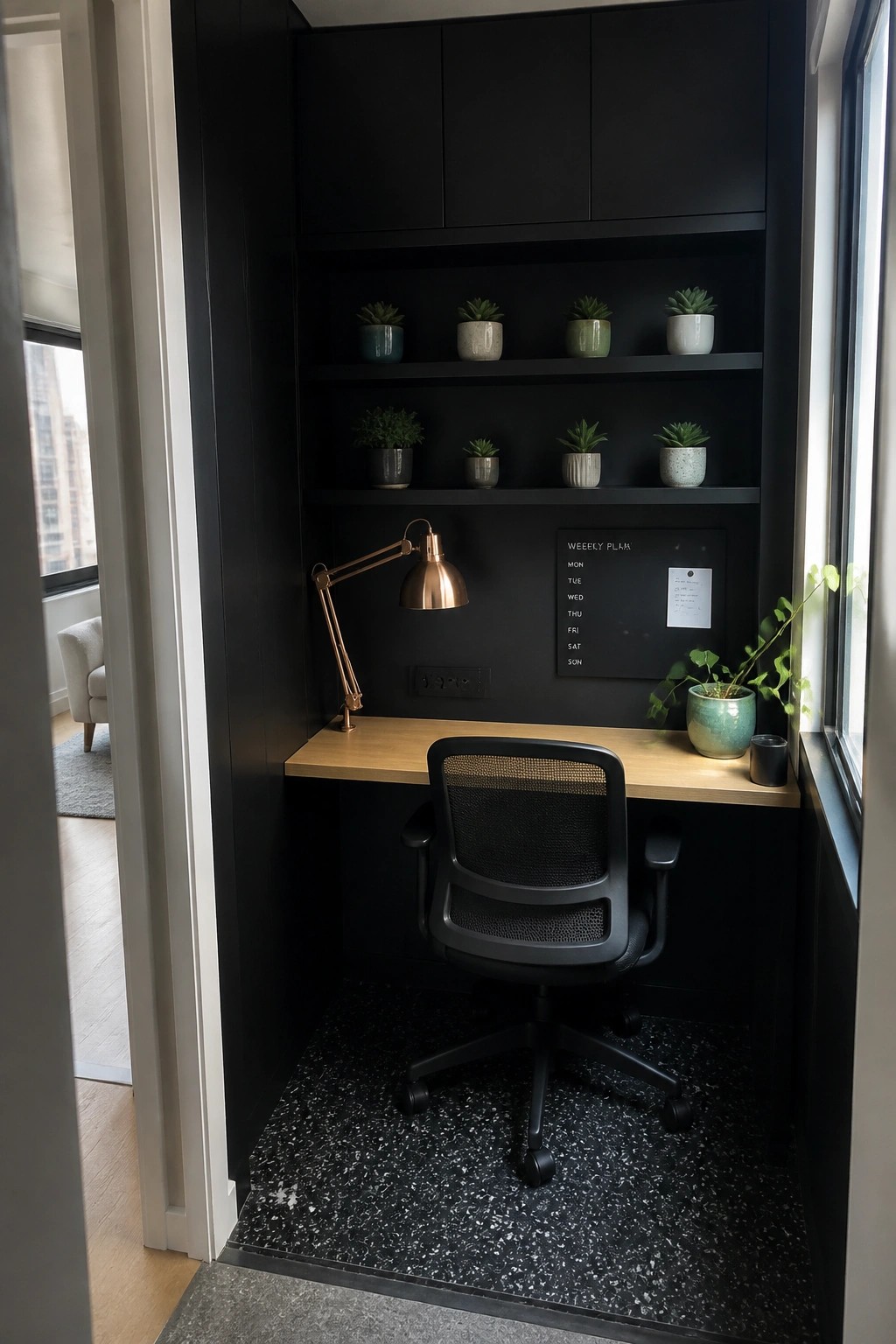
Many people are finding that a narrow closet or alcove can become a real workspace once you add built-in shelves and a simple desktop. The vertical storage keeps everything off the floor and gives you room for supplies, plants, or files without crowding the surface you actually work on.
This setup works best in apartments or smaller homes where a full room is not an option. Keep the walls dark so the space feels enclosed and calm, then use a slim chair that tucks in when you are done for the day.
Build a Desk Into a Closet for a Quiet Workspace
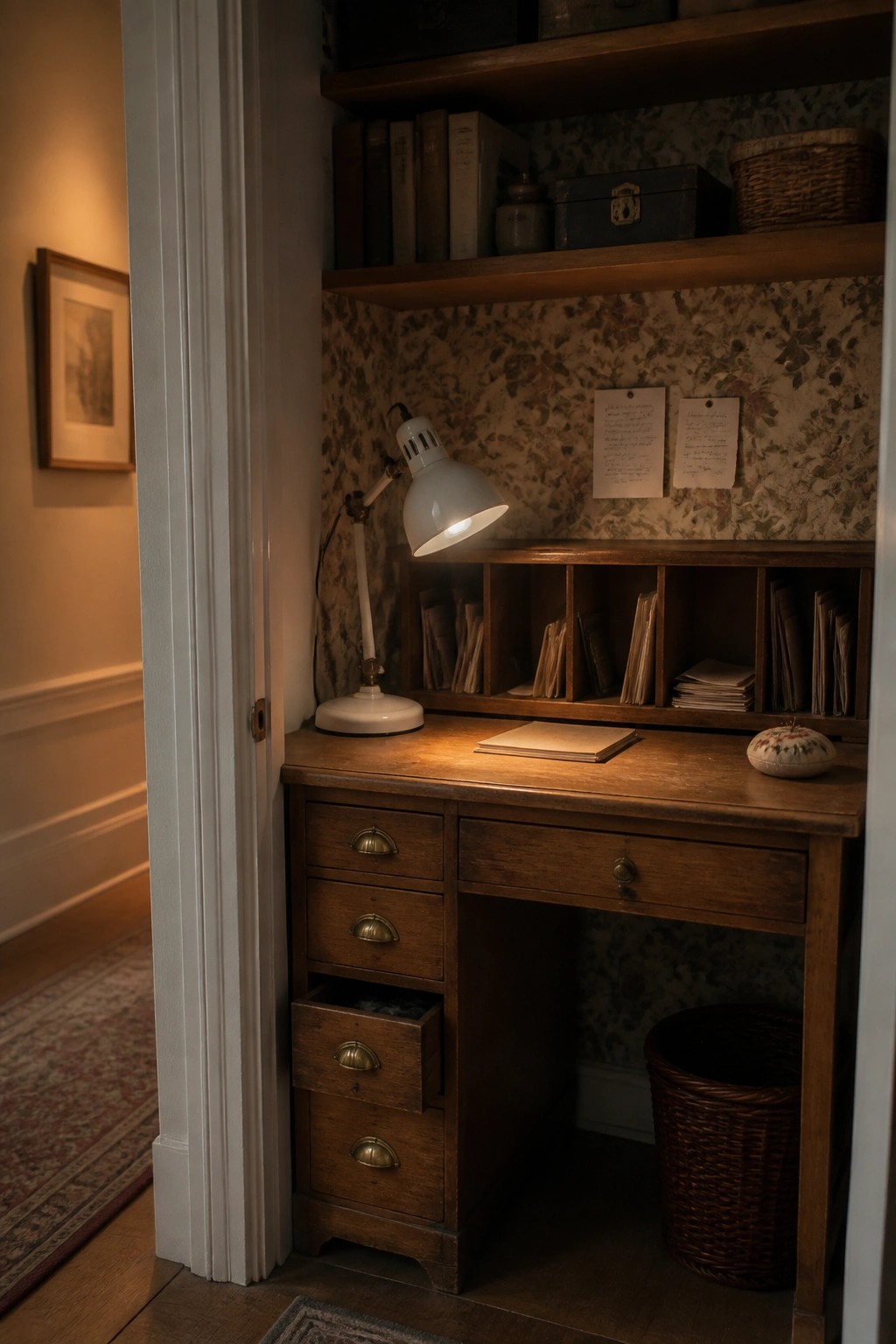
Fitting a simple wooden desk into a closet gives you a private spot to work without using up floor space in the rest of the room. The enclosed walls help keep things organized and cut down on distractions, while the built-in shelves above the desk hold books and papers within easy reach.
This setup works best in homes with extra closet space that is not being used for storage. Add a small lamp for task lighting and keep the desk surface clear so the area feels open enough to use every day. A basket on the floor can hold odds and ends if you need a bit more room.
Built-In Desks Turn Alcoves Into Practical Offices
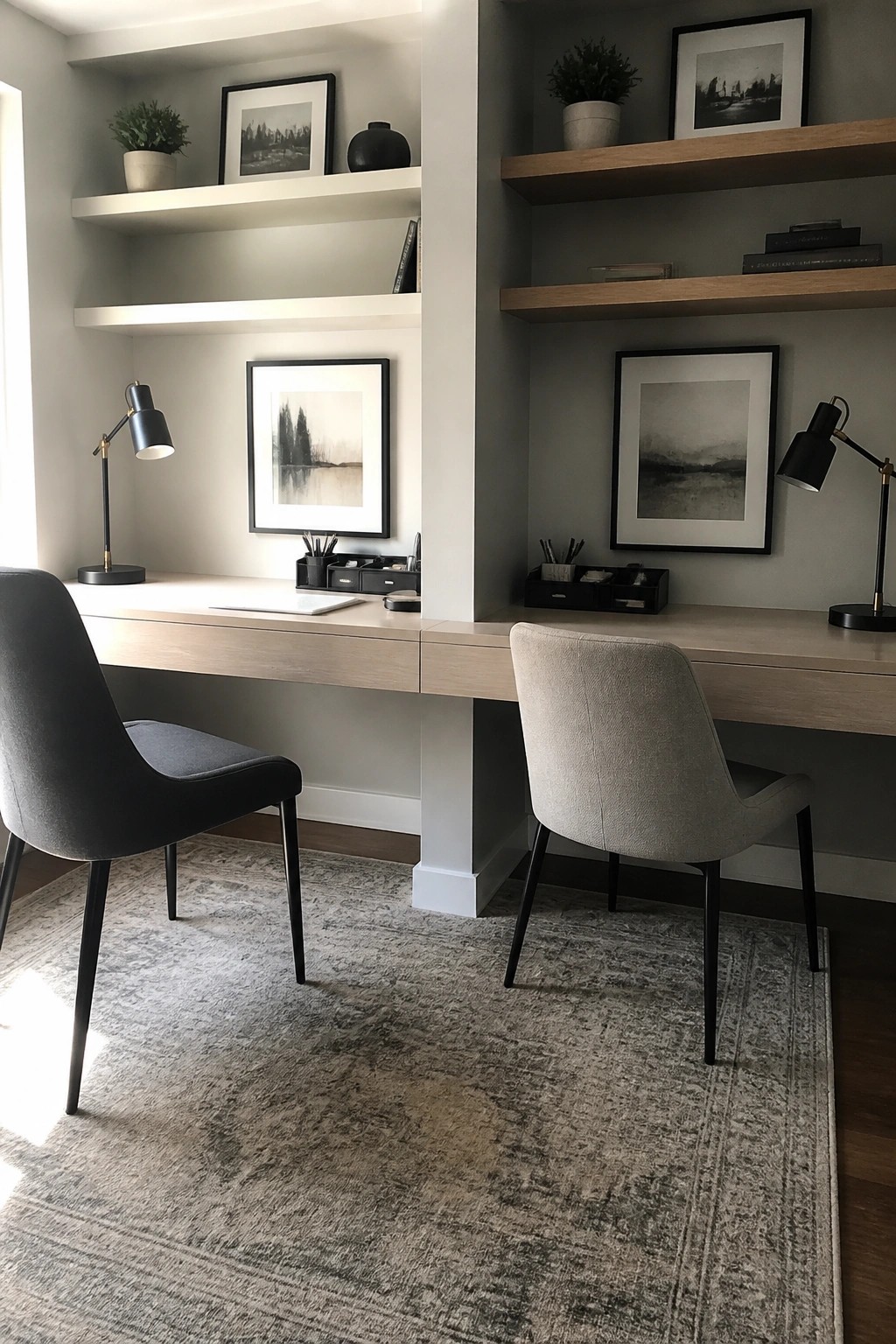
A built-in desk setup in a recessed wall area gives you a clean workspace without eating up extra floor space in the rest of the room. The shelves above keep supplies within reach while the continuous desk surface lets you spread out a bit.
This approach works well in smaller homes or spare bedrooms where a full office would feel too big. Just check that the depth leaves enough room for chairs to move back and forth easily.
Built-In Desks For Small Alcoves
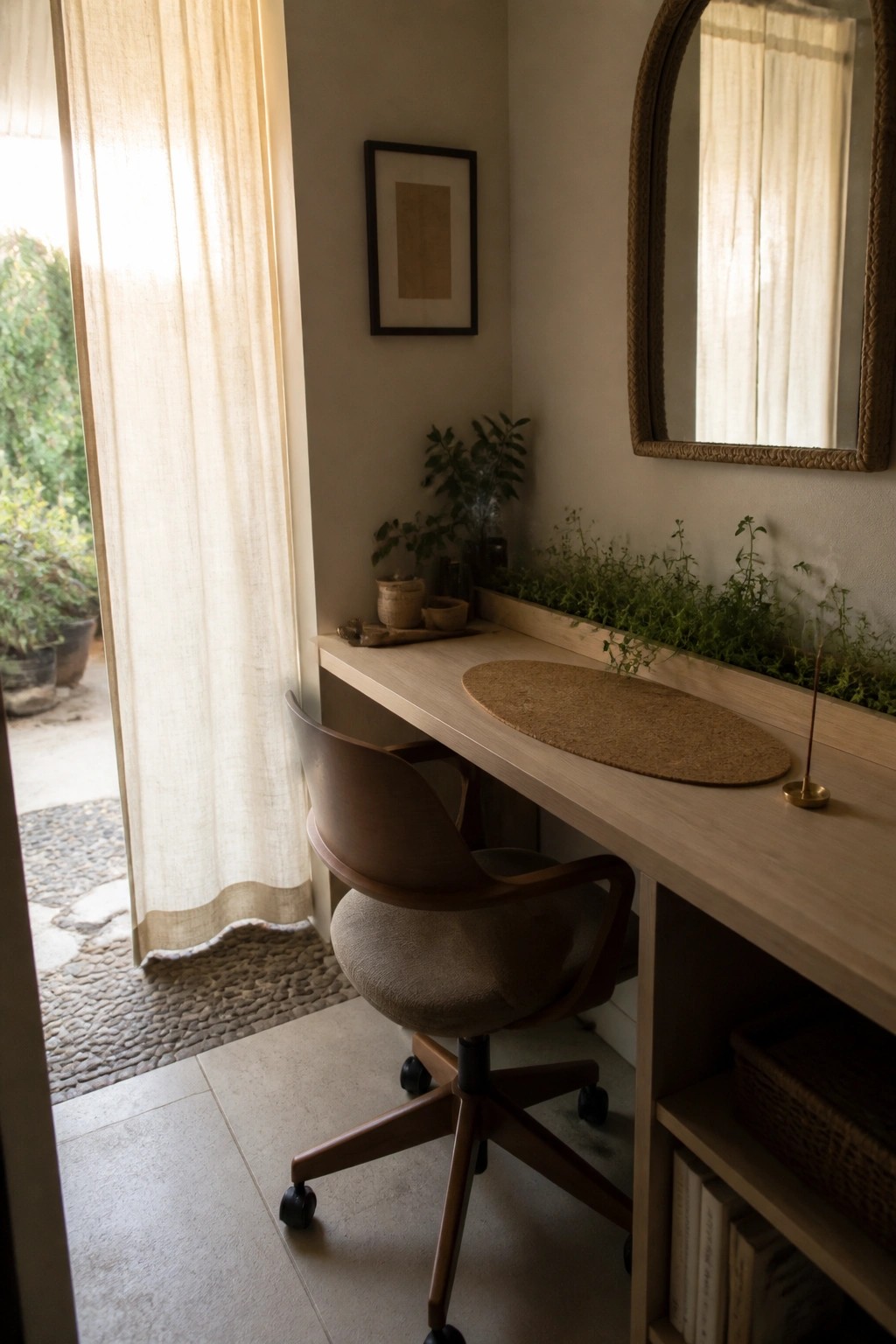
A built-in desk makes good use of a narrow closet or alcove that might otherwise sit empty. The long surface runs the length of the space and leaves room underneath for open shelves, which keeps supplies handy without adding extra furniture.
This works best in smaller homes where every corner needs to earn its keep. Keep the top fairly clear and add a few plants along the back to stop the area from feeling closed in.
Frequently Asked Questions
Q: How do I stop my closet office from getting too warm? A: Crack the door open and place a small desk fan on the shelf. This pulls in cooler air from the room without much effort.
Q: What works best for hiding the whole setup at the end of the day? A: Choose doors that fold or slide shut smoothly. Store your keyboard and papers in a single drawer so nothing sticks out.
Q: Do I need special lighting for such a small space? A: A clip-on lamp on the desk edge gives enough light without taking up room.
