


I often walk past the odd corners in my house and wonder why they stay empty when a simple desk could turn them into quiet spots for work.
Matching the size of any new setup to the way light moves across the room helps the nook feel like it belongs instead of sitting apart from everything else.
A narrow shelf or a chair that tucks away completely can make the difference between a space that gets used every day and one that just collects clutter.
Scale makes all the difference here.
I would test the simpler builds first because they tend to fit the real patterns of how we use a room over time.
Floating Shelves Add Storage to a Corner Office Nook
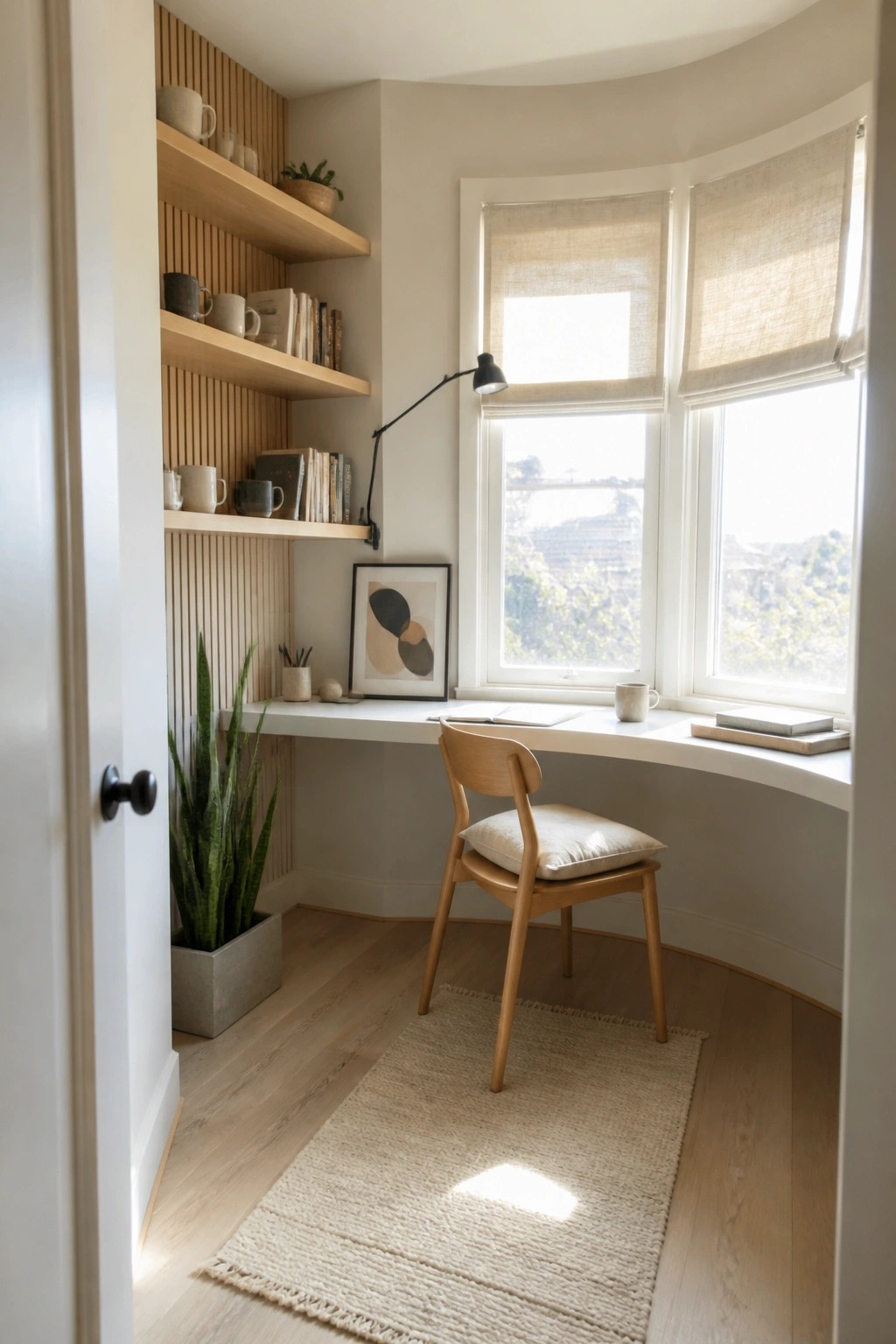
A small corner can become a real workspace when you add floating shelves along one wall. The shelves give you room for books, mugs, and supplies without eating into floor space, and they keep the area from feeling cramped even when the desk is tucked underneath a window.
This setup works well in older homes or apartments where corners often go unused. Keep the desk surface clear except for a lamp and a few essentials, and use the shelves for the rest so the nook stays practical for daily work.
Built-Ins For Turning Alcoves Into Workspaces

Many homes have odd corners or spaces under stairs that never get used. Adding a built-in desk with drawers and open shelves makes the area functional without taking up extra floor space.
This setup works best in smaller homes or rooms where you need a quiet spot to work. Use simple storage like baskets on the shelves to keep things organized and the space from feeling cramped.
Mount a Wall Desk in a Tight Corner
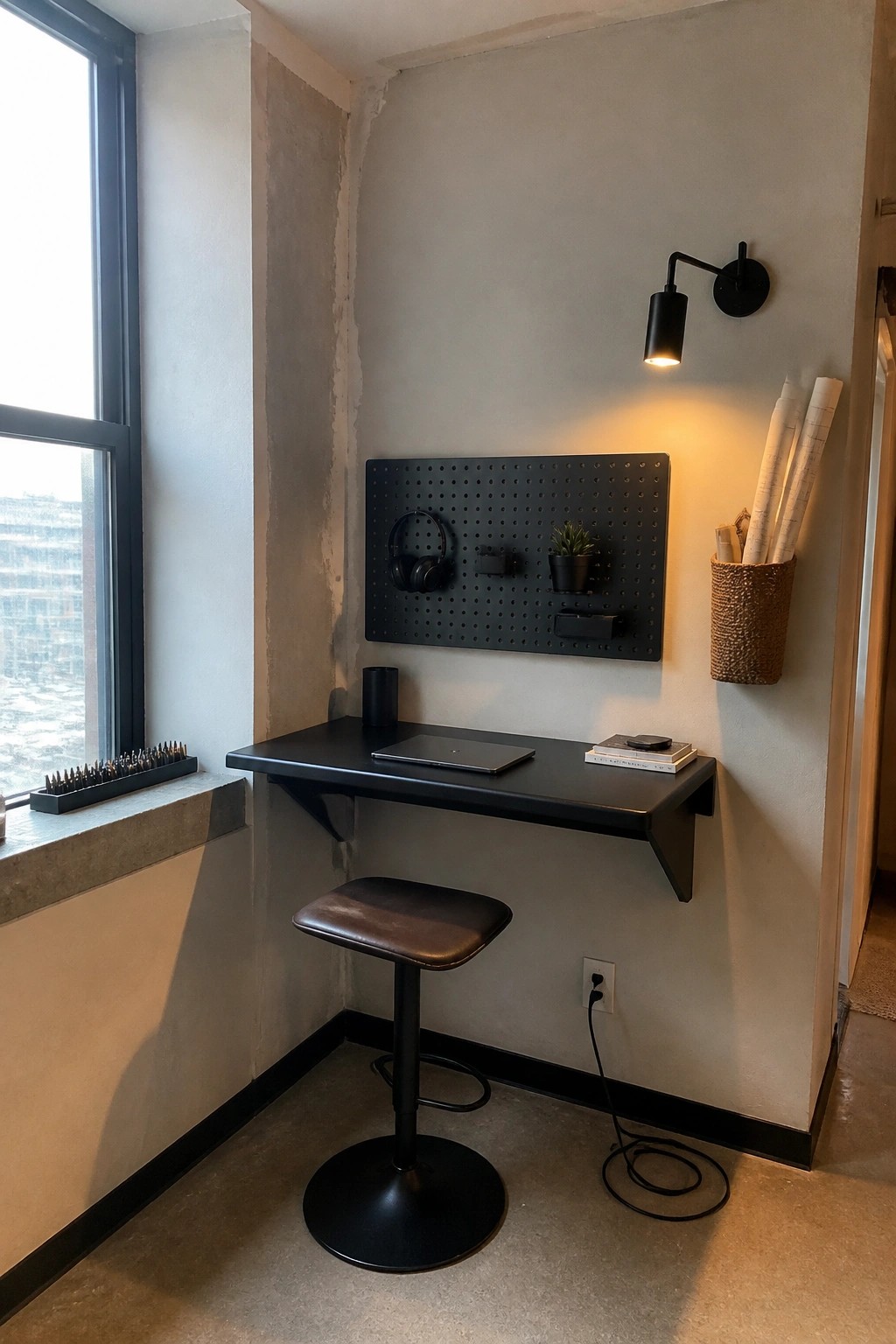
A wall-mounted desk makes it easy to turn an unused corner into a working spot without crowding the floor. It fits especially well in narrow alcoves or beside windows where a standard desk would feel too big.
Keep the setup simple with a pegboard above for headphones and small items. This approach works best in apartments or homes that have leftover corners but limited space for full furniture.
Add A Desk Surface To A Window Seat
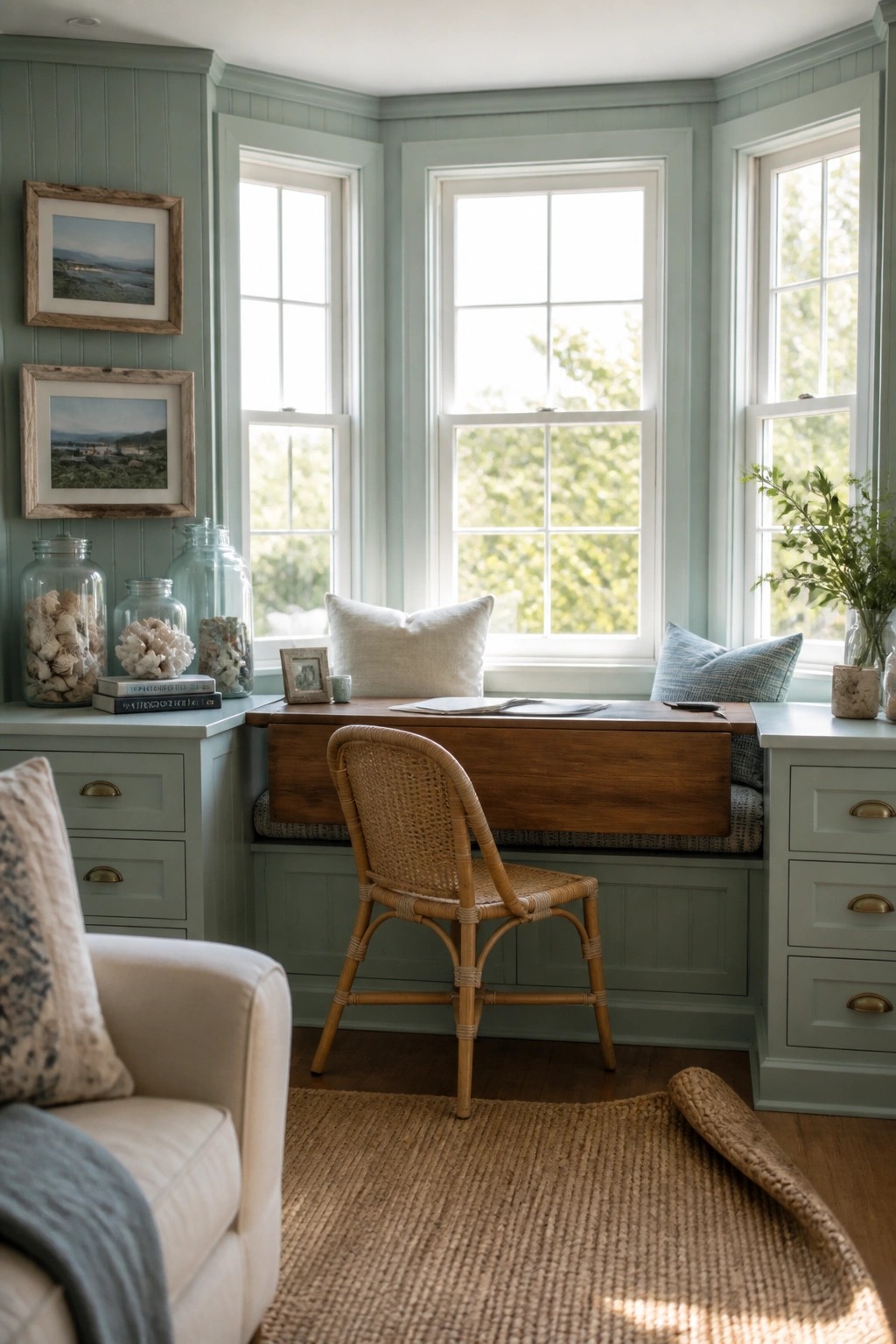
A window alcove already has good light and a quiet corner feel, so adding a desk surface across the bench turns it into a workspace without much extra furniture. The wood top sits right over the cushion and still leaves room for the view, which keeps the spot from feeling closed in.
This idea suits homes that already have a bay window or deep alcove. You can add drawers or open storage below the seat and pull up a simple chair when you need it. Just make sure the height works for typing or writing so the setup stays comfortable for longer sessions.
Built-In Shelving Makes Good Use Of An Alcove
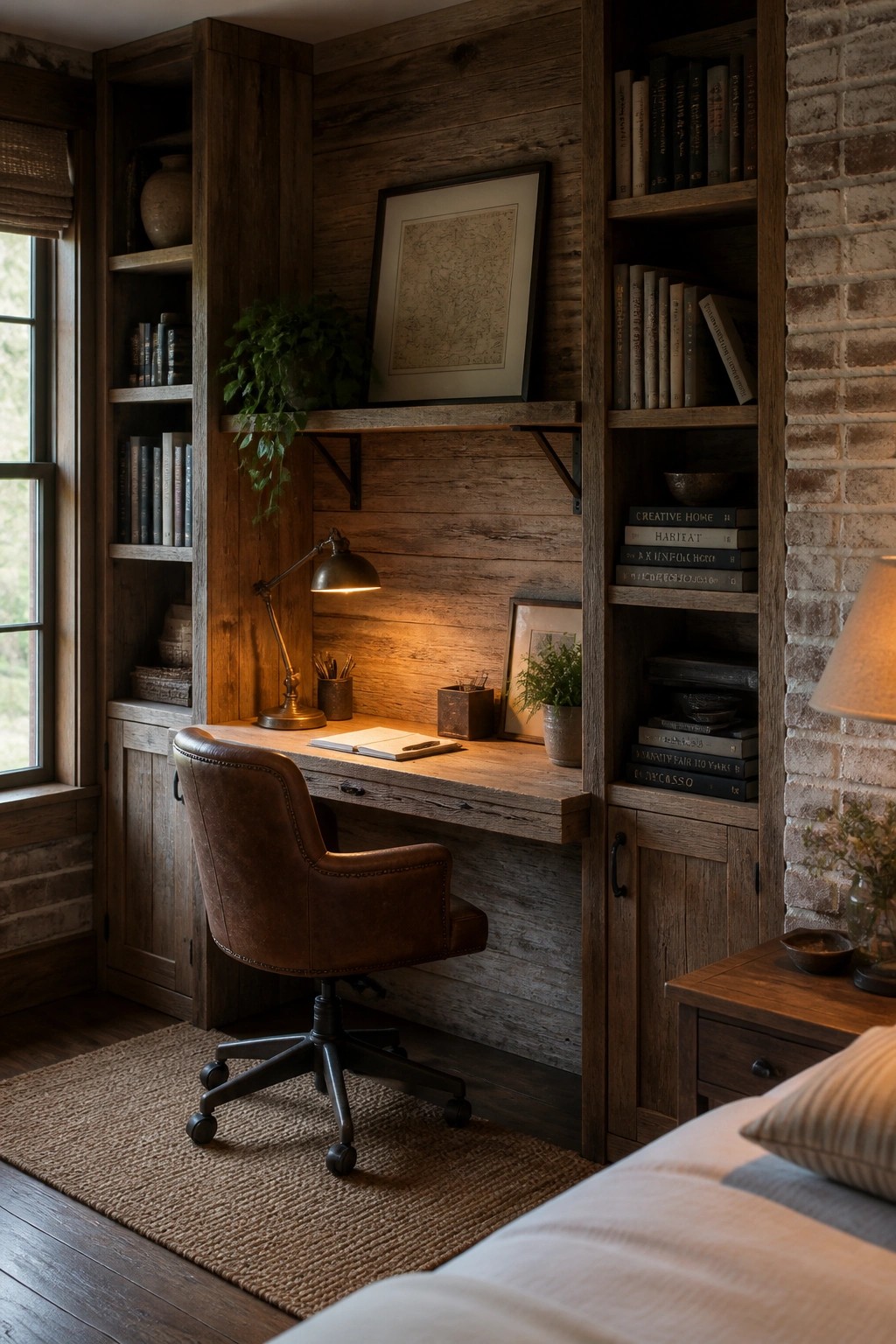
Many homes have a small corner or recessed wall that never quite works as regular furniture. Fitting a desk and shelves directly into that space turns it into a working spot without crowding the rest of the room.
This setup works best in homes that already have wood trim or similar tones. Keep the shelves open for books and add one good task light so the area stays practical even when the rest of the room is dim.
Hide an Office Nook with a Sliding Door

A small recessed space or unused closet can become a practical workspace when you add a simple desk and a couple of shelves. The sliding door lets you close everything off at the end of the day so the area stays tidy and out of sight.
This setup works best in hallways or spare rooms where you need the office to disappear when guests arrive. Keep the inside simple with a corkboard for notes and a few baskets below for papers.
Fill Your Office Nook with Hanging Plants
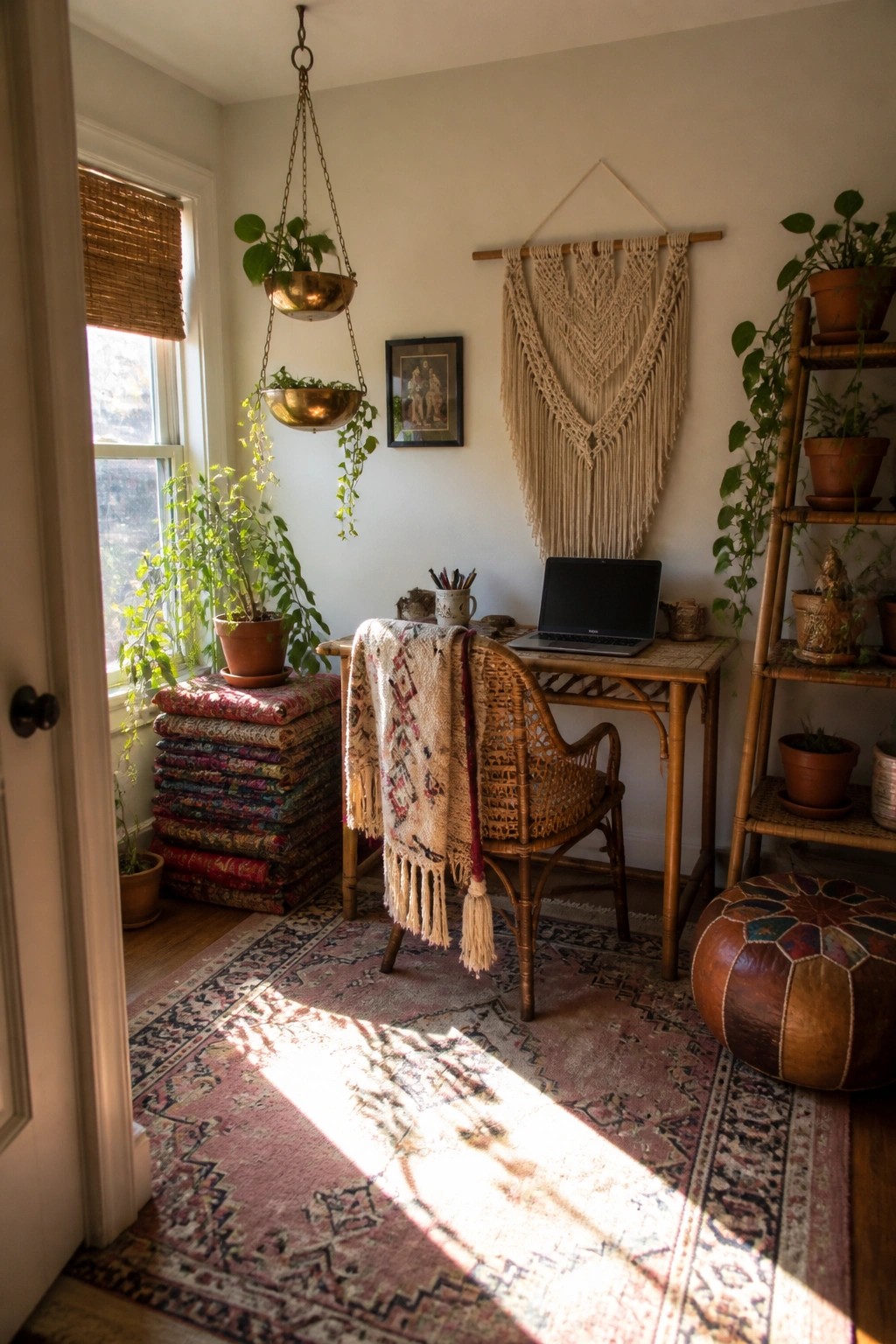
Plenty of people turn a small corner into a workspace by adding lots of plants. The greenery softens the setup and makes the area feel more welcoming instead of just functional. A sunny window helps the plants thrive and keeps the whole spot from feeling closed in.
This idea works best in homes where space is tight and you need to tuck a desk into an odd spot. Hang a couple of planters from the ceiling and set others on low shelves or the floor nearby. Just check the light levels first so the plants do not struggle.
Pegboard Walls Keep Small Nooks Organized
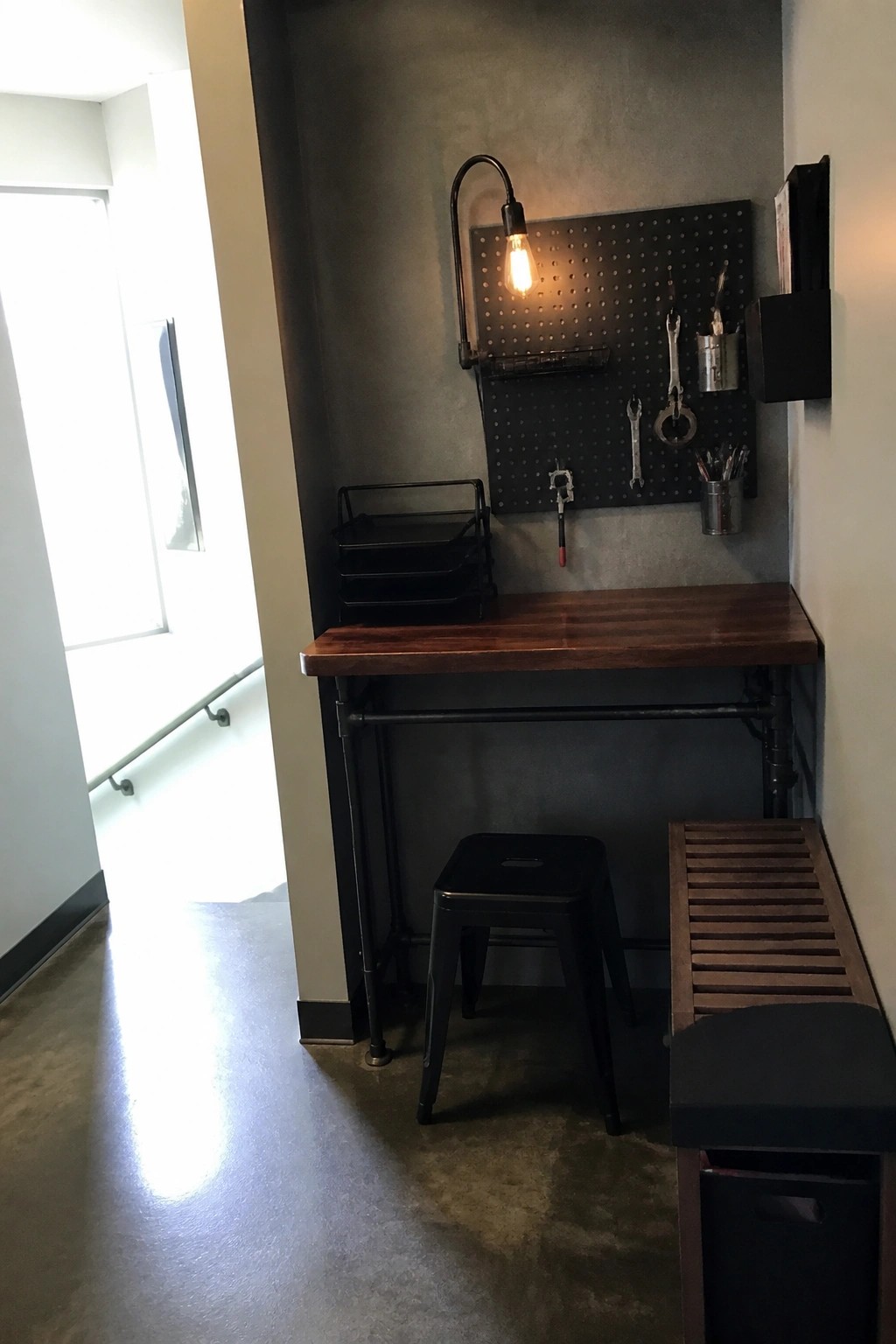
A pegboard mounted above a simple desk turns a narrow corner into a usable workspace without taking up extra floor space. It gives you a place to hang tools, supplies, and small items so the surface stays clear and everything stays within reach.
This setup works best in hallways, under stairs, or any leftover alcove where a full desk would feel cramped. Keep the board painted to match the wall if you want it to blend in, or leave it dark so the hooks and tools stand out.
Floating Desk In A Corner Nook
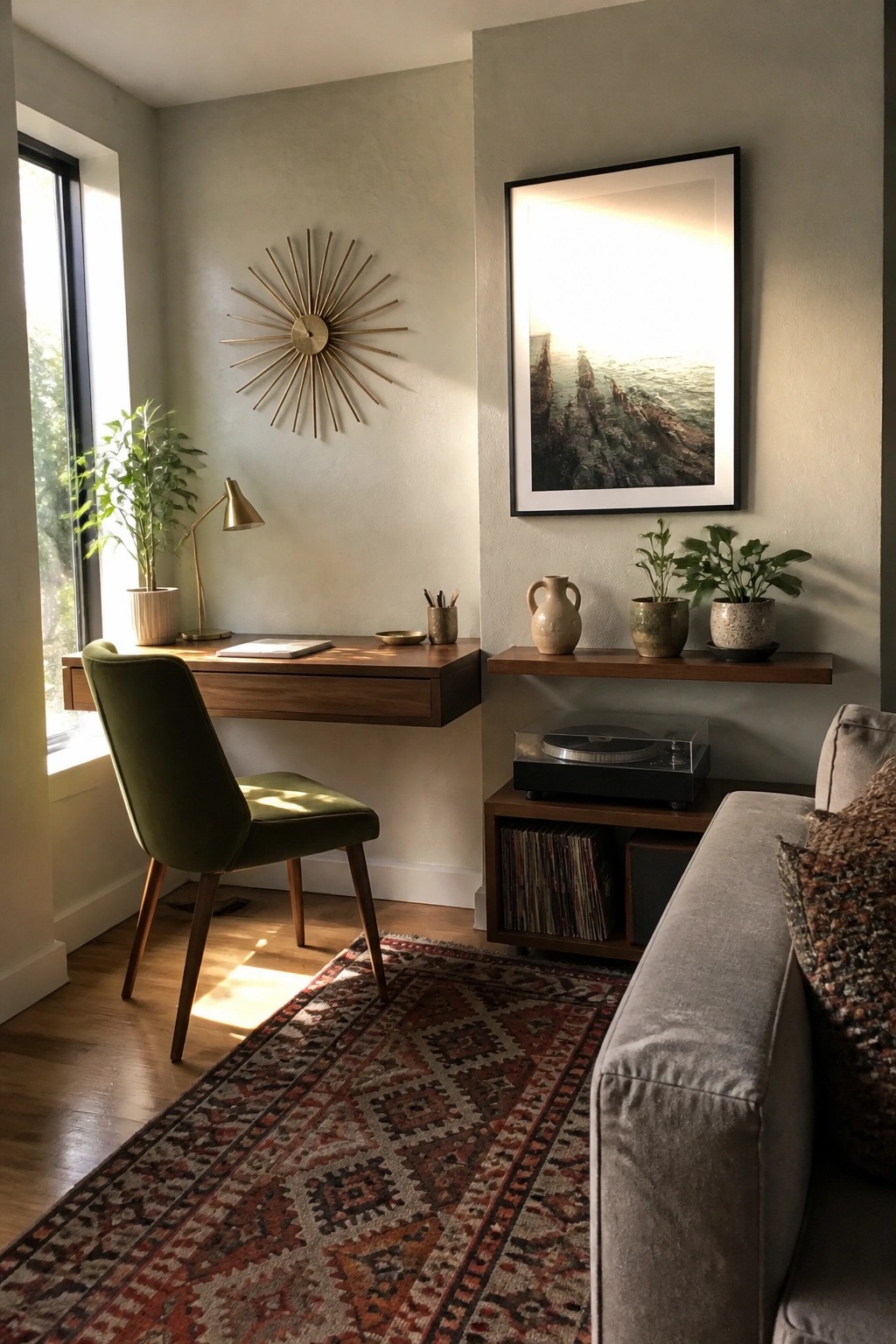
A floating desk fits neatly into an unused corner and keeps the floor clear underneath. This setup works especially well when the spot gets steady light from a window, since the open space below helps the whole area feel less cramped.
It suits smaller rooms or homes where you want a workspace without adding bulky furniture. Keep the surface simple with just a lamp and a few supplies, and the nook stays functional without taking over the room.
Floating Shelves Above A Corner Desk

Corners often sit empty because they feel too tight for regular furniture. Adding a narrow desk along the walls and floating shelves right above it makes the space work without crowding the room. The open shelves keep things light while giving plenty of room for books and small items.
This setup suits homes where space is limited or where an extra work spot is needed without building a full room. It works best near a window so natural light reaches the desk, and it helps if the shelves stay fairly shallow so the corner does not feel closed in.
Built-In Roll Top Desk In An Alcove

A roll top desk built right into an alcove gives you a compact workspace without losing floor space. The tambour door closes over everything when you are done, which keeps the area looking tidy even in a shared room.
This works best in older homes where the walls already have deep recesses between bookshelves. Pair it with a low stool that slides underneath so the whole setup stays out of the way when not in use.
Floating Desk in a Narrow Alcove

Mounting a desk straight to the wall turns a slim unused corner into a real workspace without eating up floor space. The glass top keeps things feeling open while the brackets hold it steady, and the shelves above add storage for books and gear without needing extra furniture.
This setup suits apartments or smaller homes where every square foot matters. Keep the desk narrow and use the wall for everything else so the area stays functional but not crowded.
Built-Ins Turn A Corner Into A Compact Office Nook
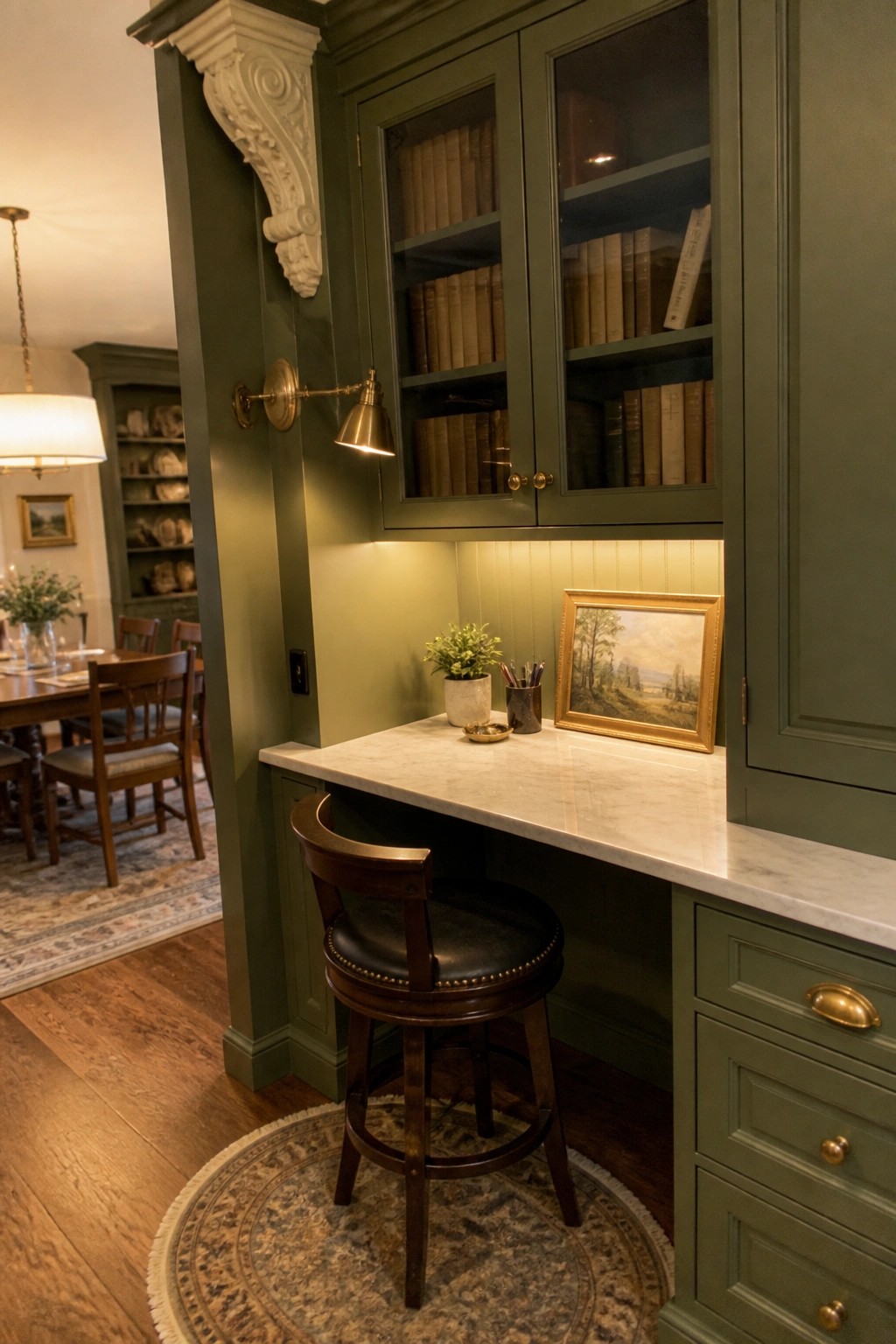
Many homes end up with small alcoves or leftover corners that never quite fit standard furniture. Adding a desk surface right into existing cabinetry makes use of that space without crowding the room or needing extra pieces.
This approach works best in homes with traditional trim or millwork already in place. Keep the top simple and durable, and choose a low stool that tucks away so the area stays open when not in use.
Build A Desk Into An Unused Stair Alcove
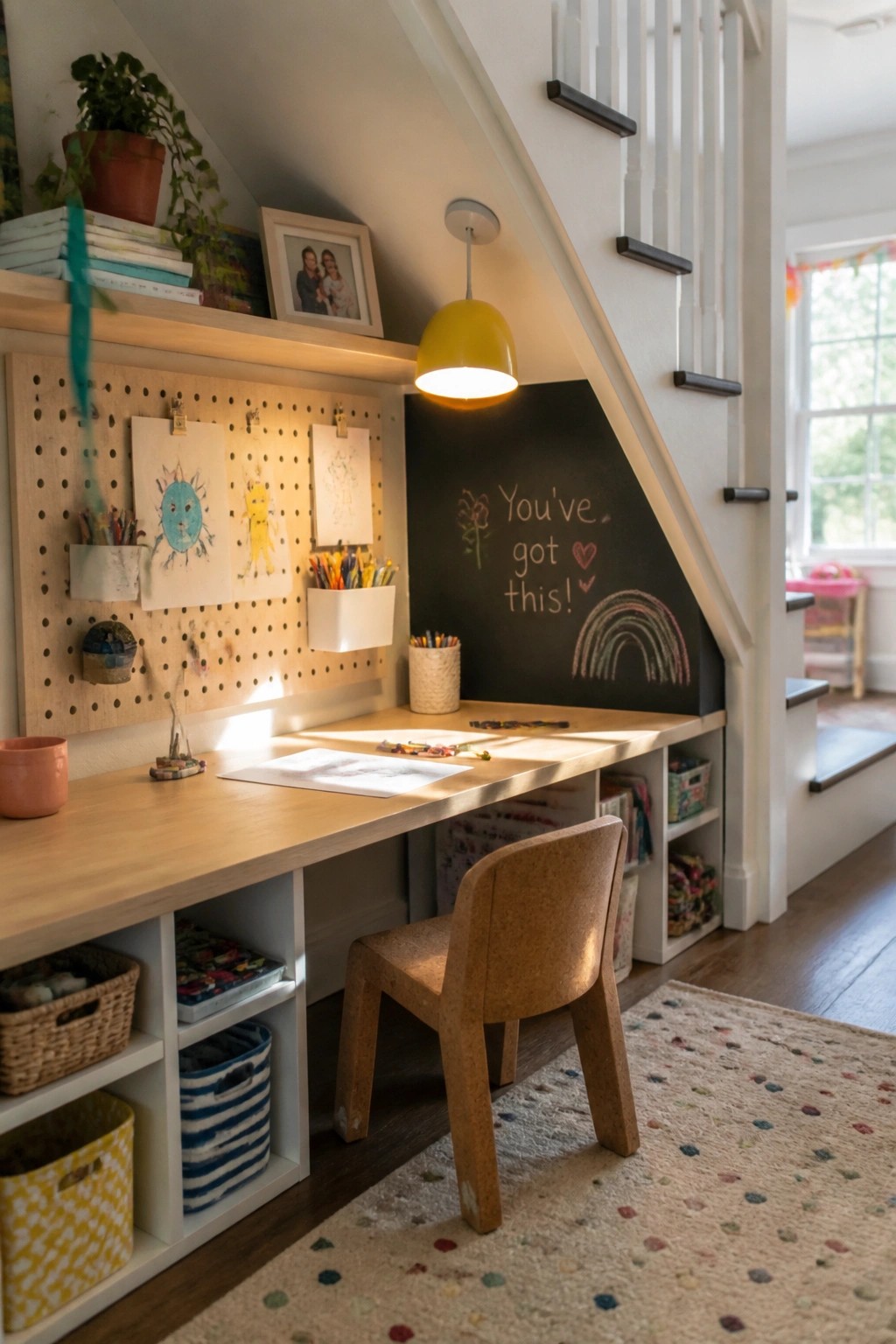
Many homes have a bit of empty space under the stairs that goes unused. Fitting a simple desk with open storage below and a pegboard on the wall turns that spot into a practical place for drawing, homework, or light work.
This works best in homes with kids or in smaller layouts where every corner needs to earn its keep. Keep the storage open and low so supplies stay easy to grab and put away.
Fit a Desk and Shelves Into an Alcove
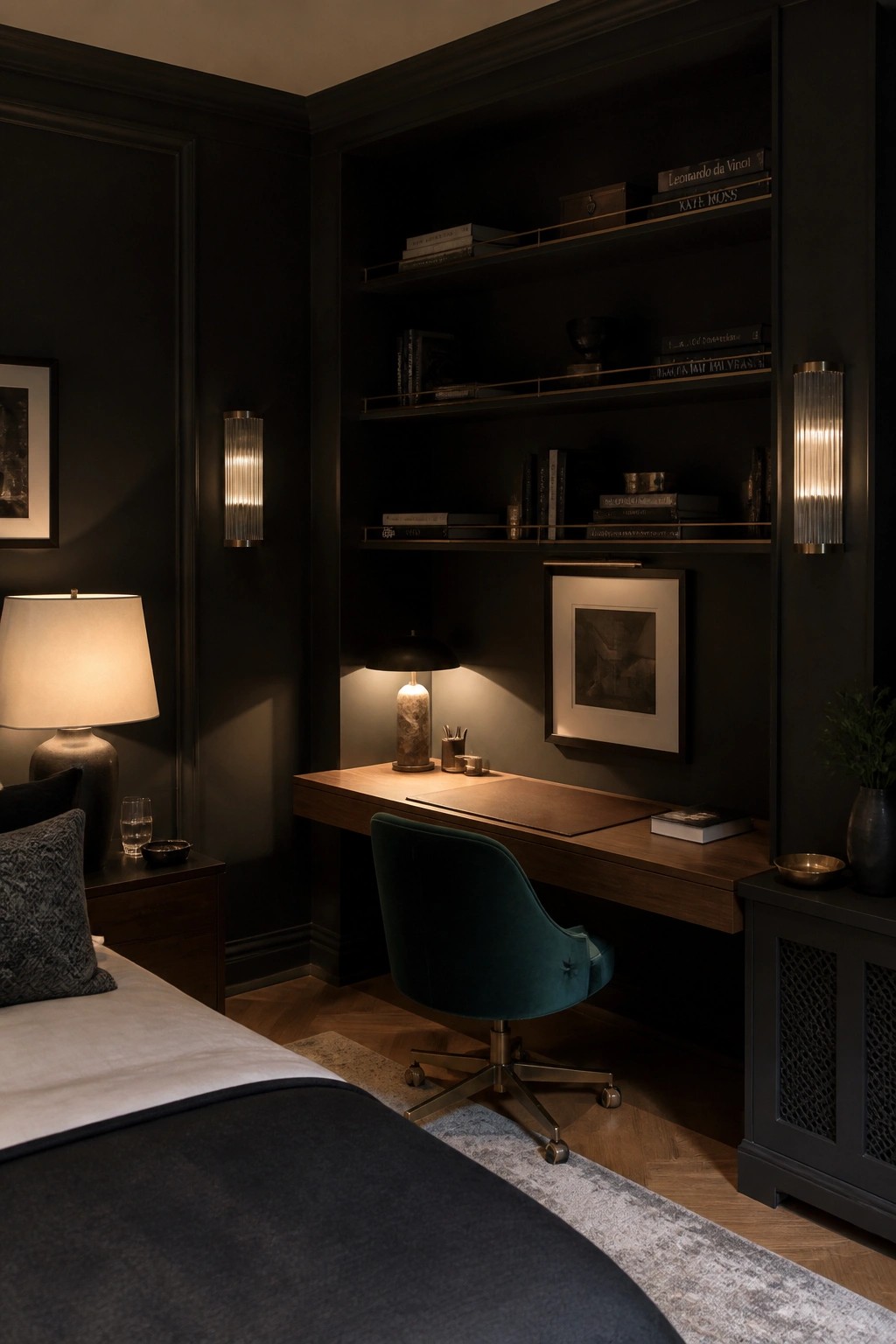
An alcove can easily become a workspace when you build the desk and shelves right into the walls. This keeps everything contained and leaves the rest of the room open. Dark paint on the walls helps the whole setup feel like its own small room instead of just a desk pushed against the corner.
This approach works best in bedrooms or living areas where you need a quiet spot but do not want a full separate office. Keep the shelves shallow so they do not stick out too far, and choose a chair that can tuck in completely when not in use.
Turn Laundry Counter Space Into a Small Office Nook
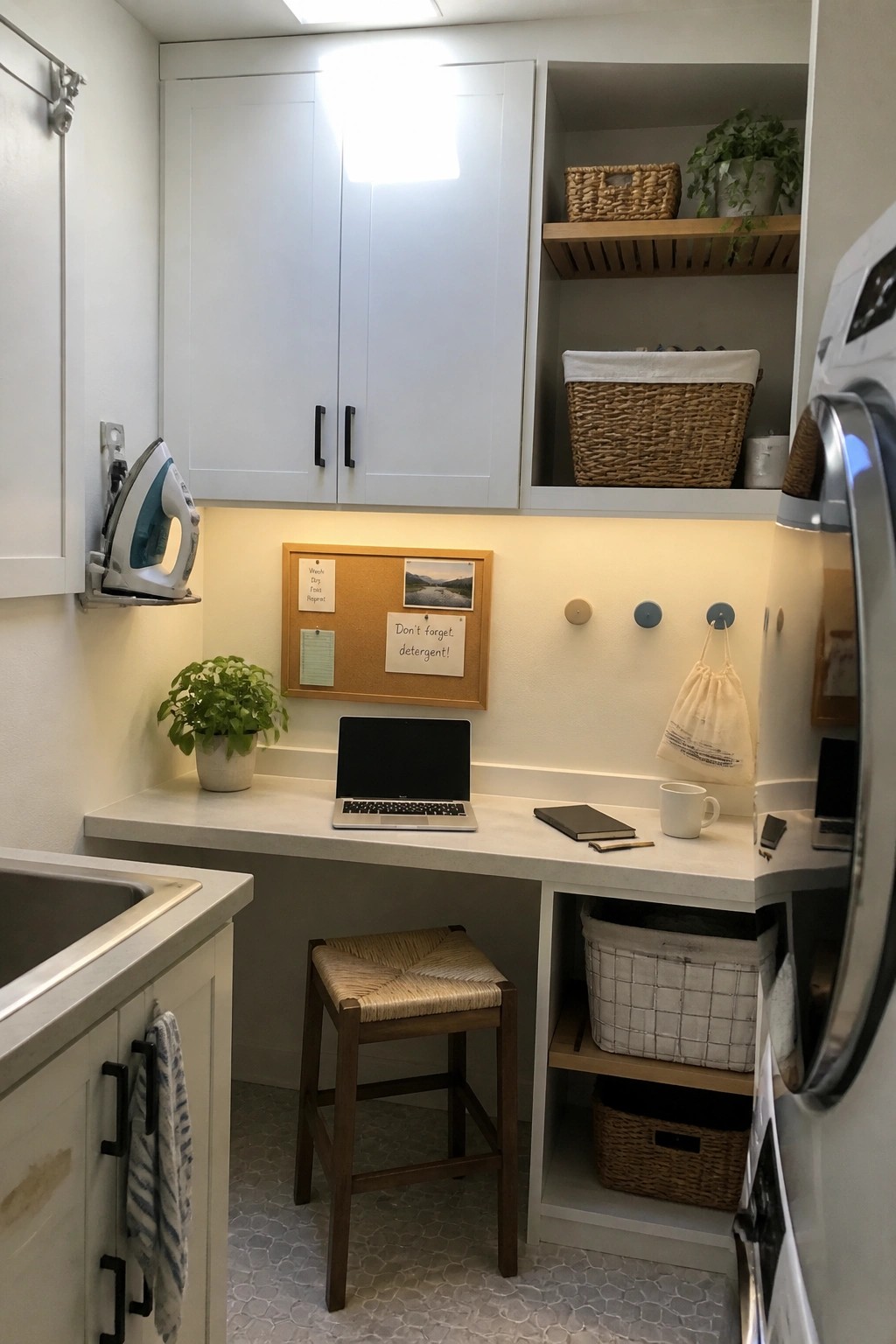
Many laundry rooms end up with long stretches of counter that rarely get used for anything besides folding. Putting a stool underneath and setting up a laptop turns that same surface into a workable spot for emails or quick tasks without taking over another room.
This setup works best in homes where space is tight and the laundry area already has good lighting and outlets. Keep the surface clear of supplies during the day, and store baskets or detergent on lower shelves so the desk area stays usable.
Built-In Counters For Quick Work Spots

A built-in counter along a wall can easily become a small workspace without taking up extra floor space. In homes where a full desk feels too big, this setup keeps things simple and out of the way while still giving you a spot to open a laptop or sort mail.
It works well in kitchens or hallways that already have some depth to the wall. Keep the stools low and tuck them in when not in use so the area stays clear for normal traffic.
Define a Corner Office Nook with a Round Rug

A round rug gives a small workspace a clear boundary without any construction. It pulls the chair and desk into one tidy spot so the corner stops feeling like leftover space and starts feeling like a place meant for sitting and working.
This approach suits homes with narrow alcoves or odd angles near a window. Keep the rug in a natural fiber and let the rest of the setup stay simple so the area feels open rather than crowded.
Frequently Asked Questions
Q: What if my corner is too narrow for a full desk? A: Try a wall-mounted shelf instead. It gives you workspace without taking up floor space. Add a stool that tucks away when not in use.
Q: How do I keep the area from feeling cramped with all the stuff? A: Stick to just the essentials like your laptop and a lamp. Vertical storage on the walls helps free up the floor.
Q: Can I set this up without drilling into the walls? A: Yes, use freestanding pieces like a small table and a rolling cart. Tension rods work for hanging curtains or lights too. Lean a bookshelf against the wall for extra storage.
Q: What about noise if the nook is near a busy area? A: Place a tall plant or bookcase to block some sound. Noise-canceling headphones help during focused work sessions.
