

I have noticed that the way a workspace is arranged often determines whether I stay focused for hours or end up distracted by small discomforts.
When I rearranged my own desk last year I realized how much the position of a window changes the entire feel of the room during a long workday.
Layout matters more than most people expect.
The best changes tend to come from testing small adjustments like better lighting or storage that actually matches how I move through the day.
Trying a few of these ideas in my home has shown me which ones hold up beyond the initial setup.
Built-In Desks For Small Rooms

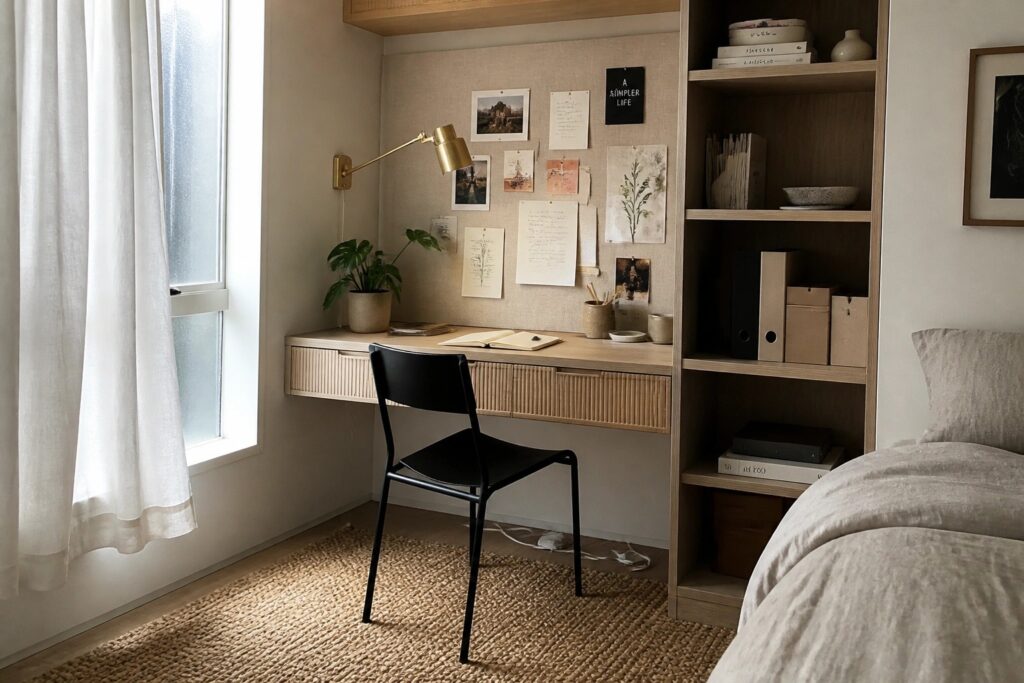
A built-in desk with open shelves above it turns a narrow wall into a useful workspace without crowding the floor. The design keeps everything in one spot, which helps when you want the room to feel open but still need a place to sit and focus.
This works best in bedrooms or corners that double as offices. Keep the shelves for books and supplies you reach for often, and use the drawer space below for anything you want out of sight. It suits smaller homes where adding freestanding furniture would quickly feel cluttered.
A Floating Desk Opens Up The Workspace
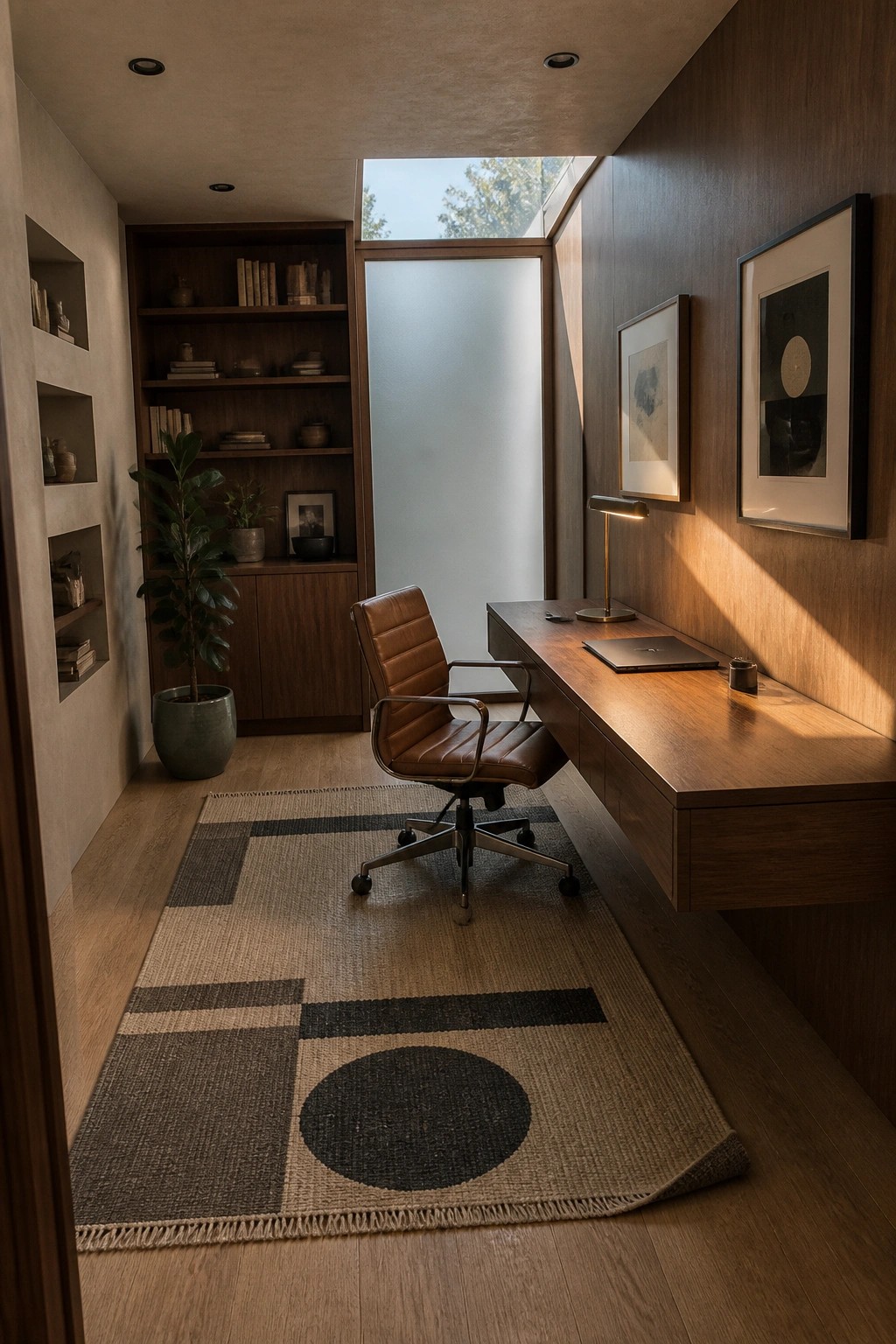
A wall-mounted desk gives you a solid work surface while leaving the floor clear underneath. This keeps the room from feeling cramped, especially in narrower spaces where every inch counts. The clean line also makes the whole area feel lighter and easier to move around in.
It works best in smaller homes or rooms that double as offices. Secure it well into the studs and add a rug underneath to define the spot and soften the feel under your feet. Keep the surface mostly clear so the setup stays practical day to day.
Try A Standing Desk For Better Focus
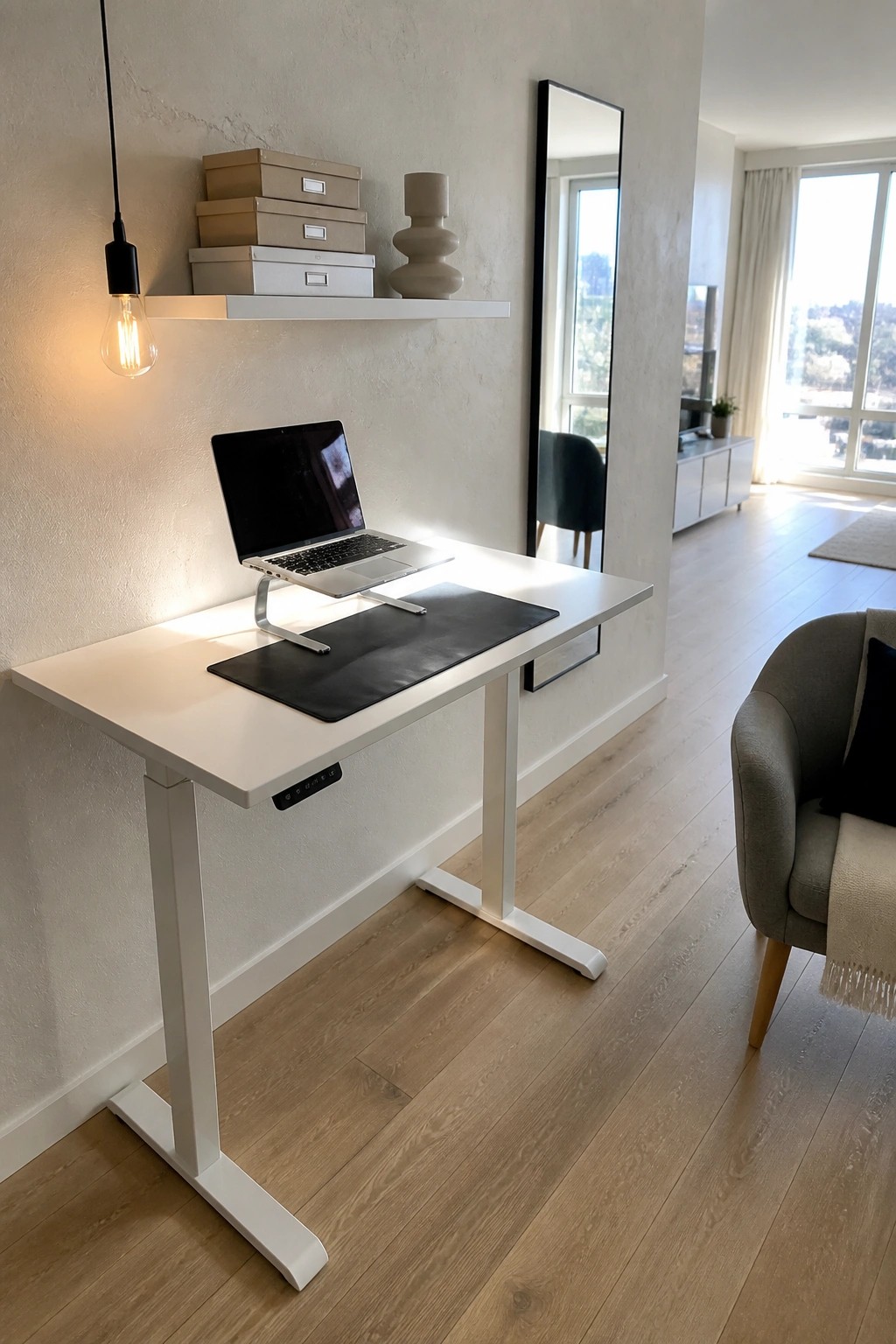
A height adjustable desk lets you switch positions throughout the day, which can help reduce stiffness and keep your mind sharper during long work sessions. Many people notice they feel less tired by afternoon when they stand for part of their tasks instead of sitting the whole time.
This setup works best in smaller home offices or multi use rooms where you need one piece of furniture to stay practical. Keep the surface clear and add just one or two storage spots above the desk so the area stays easy to use.
Desk Placement By A Window
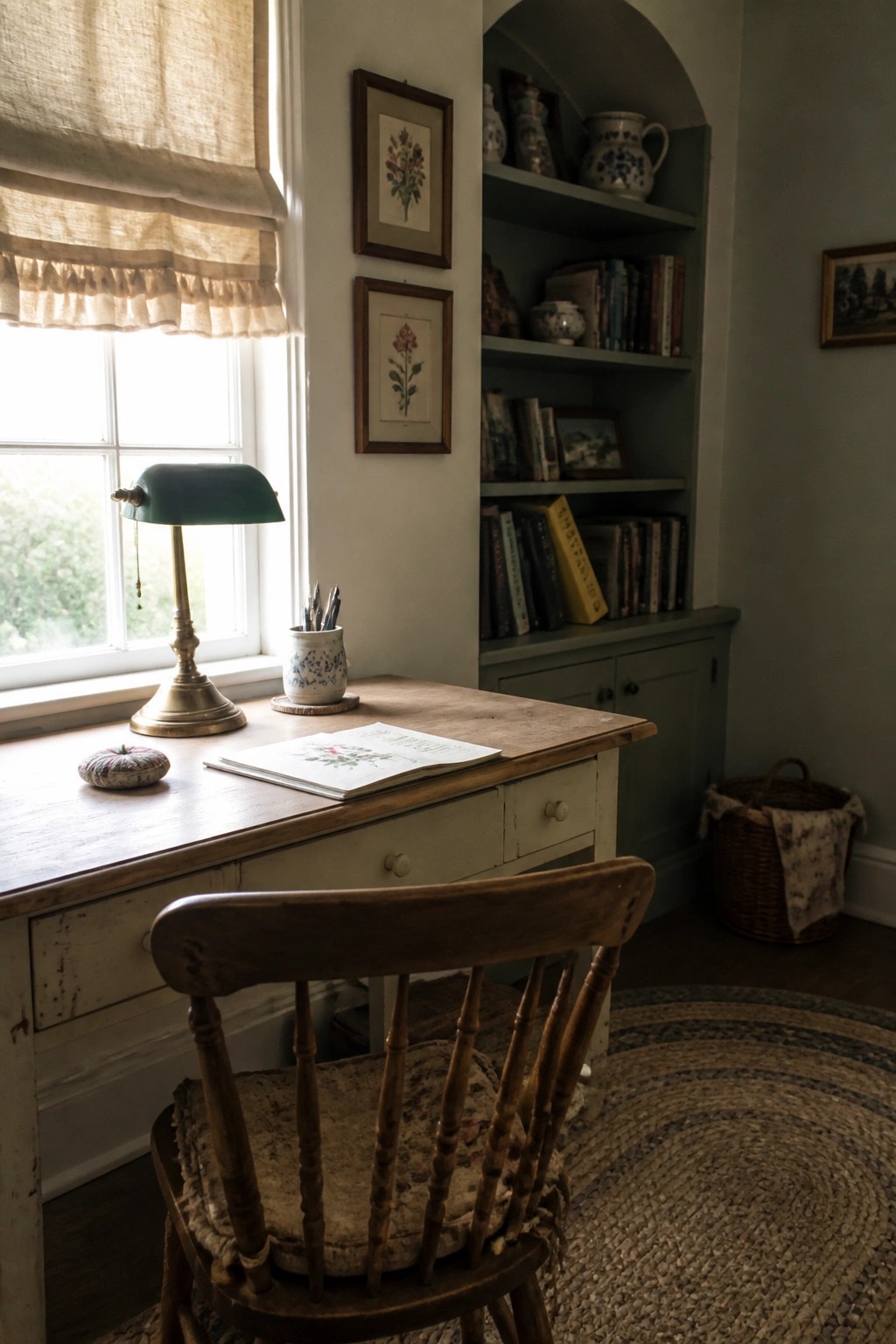
Many people find their workspace feels more usable when the desk sits right beside a window. Natural light reaches the surface most of the day, which reduces the need for a lamp and helps the room feel less closed in.
This arrangement works best in smaller rooms or quiet corners where you want simple access to daylight without moving furniture around. It suits homes that already have decent window height and gives you an easy view outdoors during short breaks.
A Desk With Storage Built Right In

A desk that includes its own drawers keeps the workspace organized without adding more furniture around the room. The thick wood top and metal frame give it enough weight to feel permanent, which helps the whole space feel more settled.
This setup suits smaller offices or rooms with hard floors and exposed walls. Place it where the drawers face the main seating area so supplies stay within reach during long work sessions.
Position the Desk in Front of Windows

Natural light makes a real difference when you need to stay focused for hours. Placing the desk directly under the windows lets daylight fall straight onto the work surface, which helps with visibility and keeps the space from feeling dim or closed in during the day.
This setup works best in smaller home offices or bonus rooms where every bit of light counts. Keep the window treatments simple so they can be raised or lowered without fuss, and use low storage along the walls to avoid blocking the view or the light.
Pegboard Storage for a Workspace
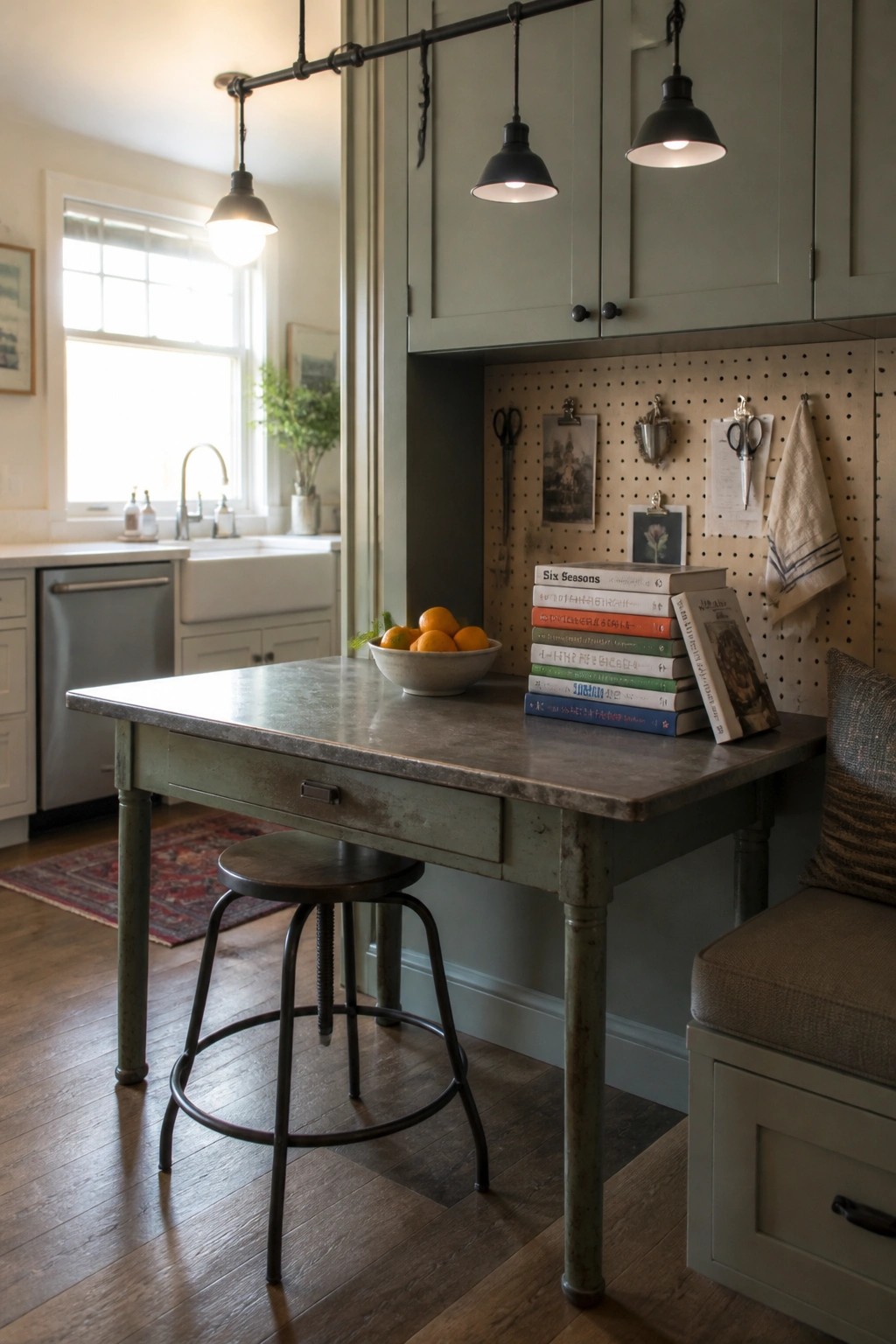
A pegboard behind a work table gives you quick access to tools and supplies without cluttering the surface. It turns an ordinary table into a more practical spot for daily tasks, especially in spaces that double as kitchen or utility areas.
This setup works well in homes where the workspace needs to stay flexible. Mount the board at a comfortable height, add hooks for scissors and towels, and leave room for a few stacked books or small items you reach for often. Just avoid overloading it so the wall still feels open.
Bring Natural Elements Into A Small Workspace
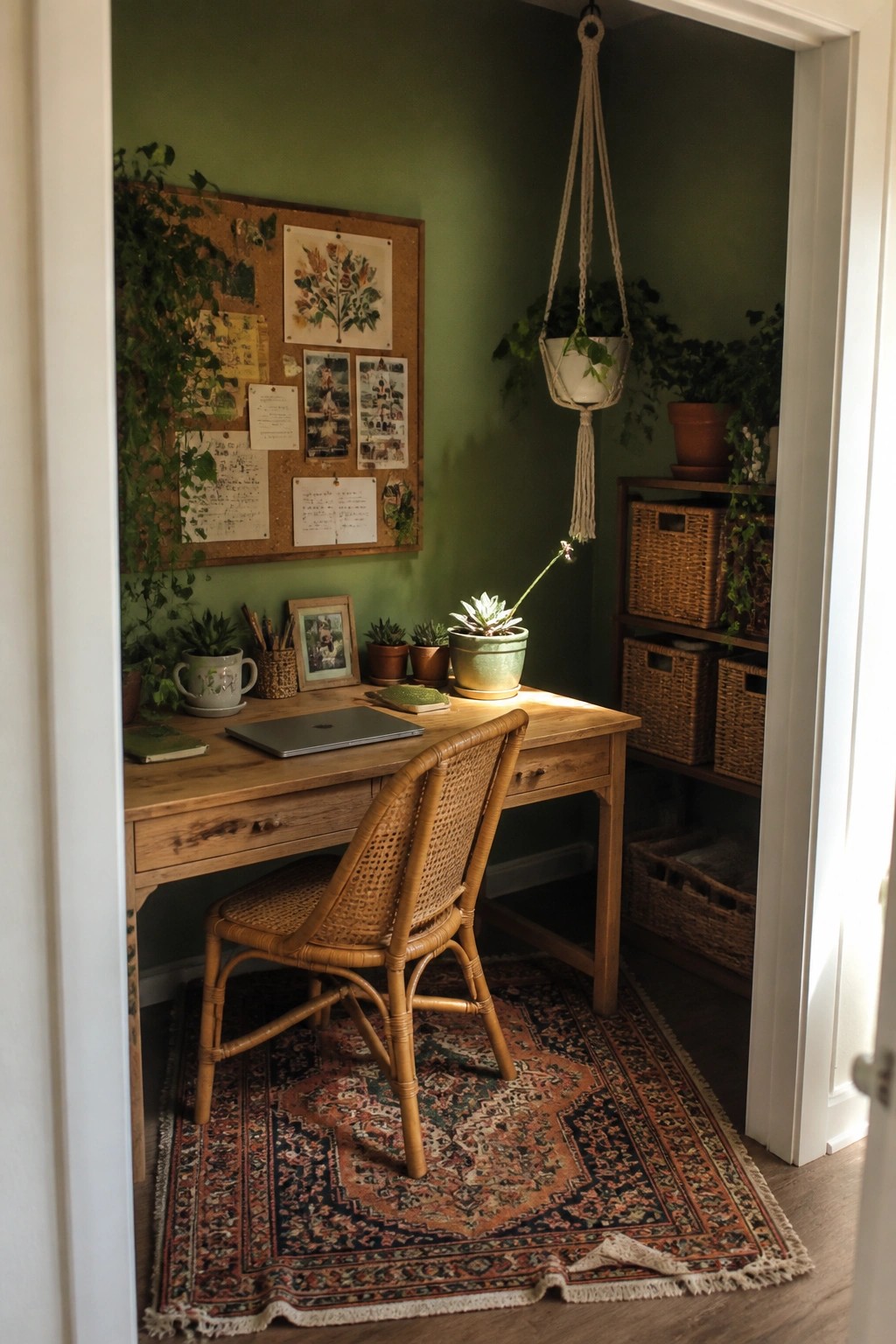
Many people find that adding plants and natural textures helps a workspace feel less cramped and more pleasant to use. The mix of wood furniture, woven seating, and plenty of greenery creates a calm spot that still feels practical for daily work.
This approach works well in a corner or closet turned office, especially when you keep storage simple with baskets on open shelves. Place plants at different heights and add a board for notes and images so the space stays personal without becoming cluttered.
Built-In Shelving Keeps The Workspace Organized
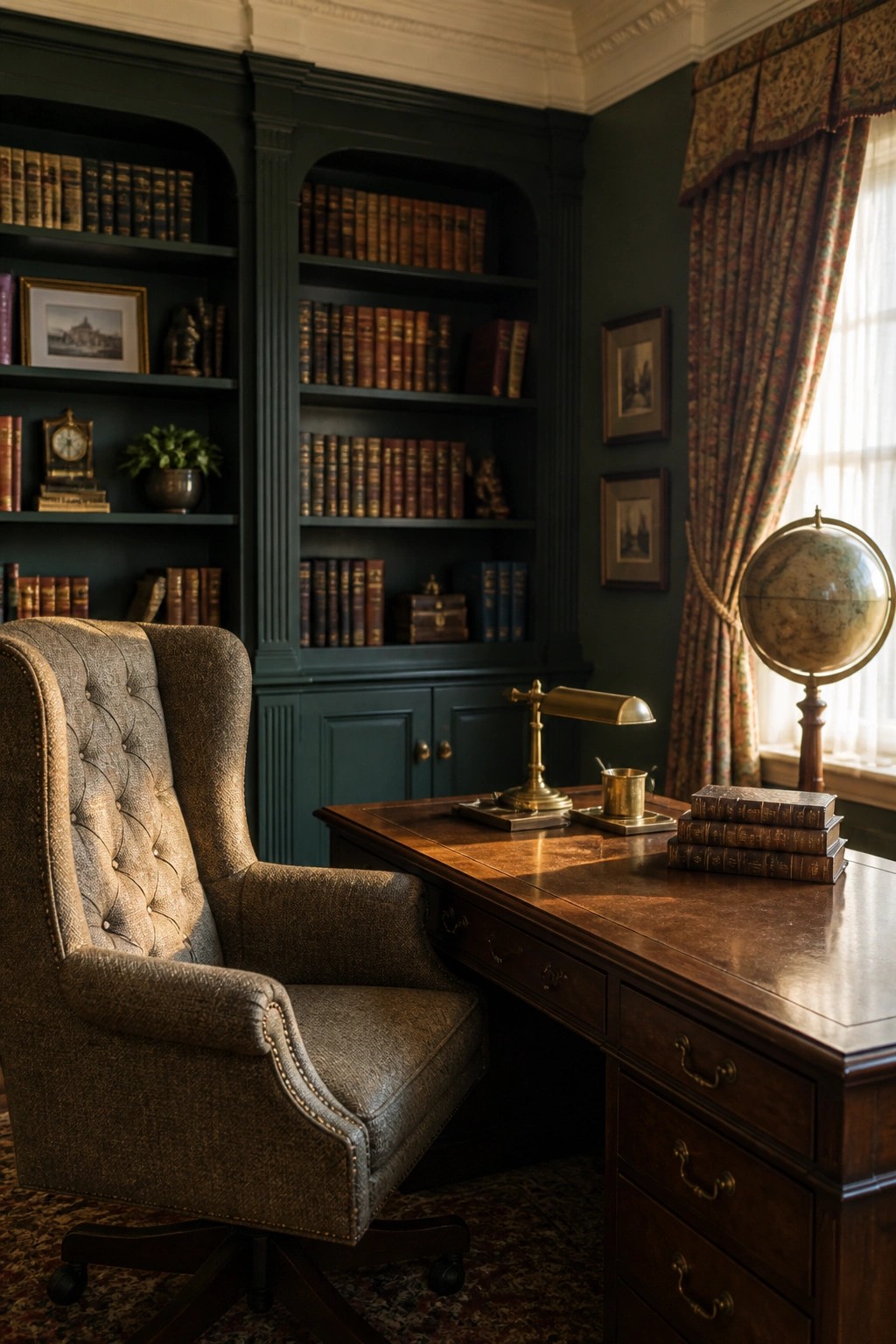
Built-in shelves and cabinets around a desk give you room for books and supplies without crowding the work surface. The setup keeps things in reach while the lower cabinets hide what you do not need out in the open every day.
This approach suits a home office that already has some wall space to spare. Match the wood tone to the desk so the whole area reads as one piece rather than a collection of separate furniture.
Fit a Desk Under the Window in an Attic

Many people skip over attic rooms because the ceilings slope and the space feels awkward. Placing a desk right under the window turns that limitation into an advantage by pulling in steady natural light and making the room feel more open.
This works best in homes where you want to add a workspace without building anything new. Keep the desk surface simple and let the existing beams do the rest so the room stays calm and easy to use every day.
Natural Textures In A Home Workspace
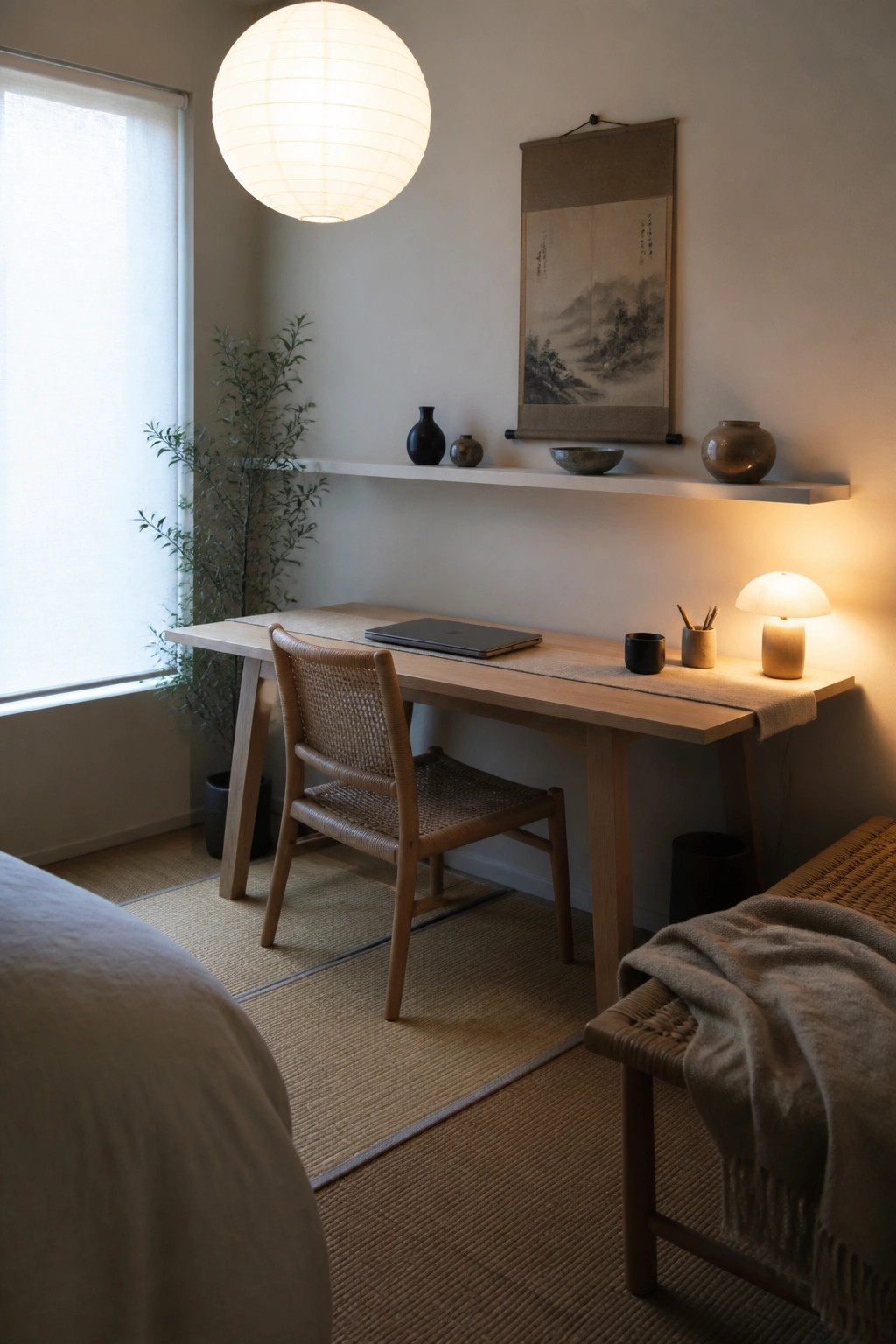
Many people like using wood and woven pieces in a workspace because they keep the area from feeling too stiff or cold. The light tones and simple shapes help the room stay calm, which makes it easier to focus for longer stretches.
This works best in smaller rooms or apartments where you want the desk area to feel open rather than crowded. Pair a plain wood desk with a woven chair and one soft overhead light so the surface stays clear and the space feels balanced.
Built-In Bookshelves For A Classic Home Office
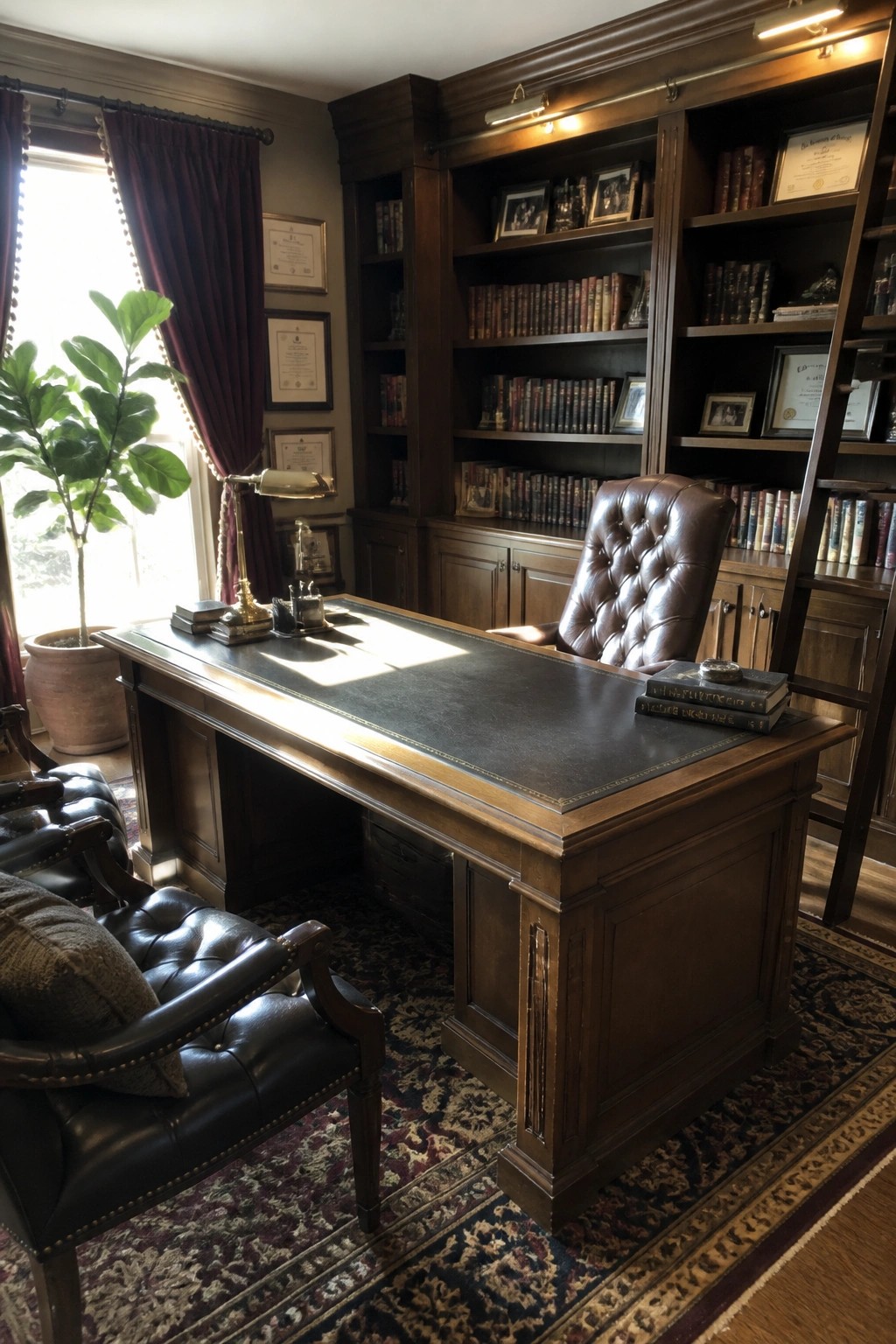
A wall of built-in bookshelves around a desk gives the whole room a sense of purpose. It keeps books, papers, and supplies close at hand while making the space feel enclosed and quiet, which helps with focus during long work hours.
This setup works best in homes that have the wall space for custom cabinetry. It suits people who want a traditional look and need real storage rather than open floating shelves. Keep the wood tones consistent with the desk so the room stays cohesive instead of feeling busy.
Built-In Storage Cubbies For Everyday Workspaces
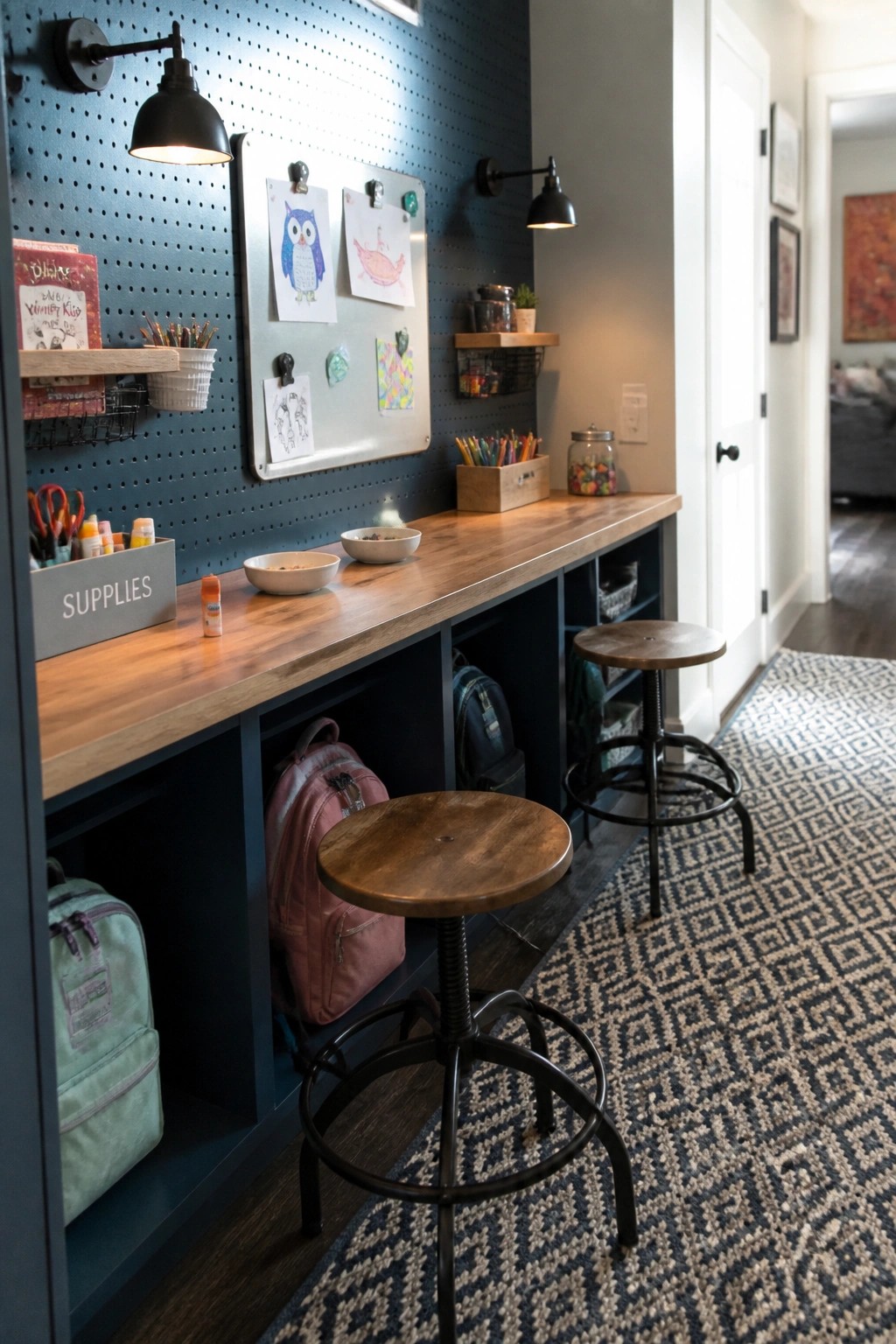
A long desk with open cubbies built into the base gives a workspace room to breathe while keeping daily items close at hand. This setup cuts down on extra bins or shelves and makes it simple to grab what you need without digging around.
It works especially well in homes with kids or shared spaces where backpacks and supplies need a regular spot. Adjustable stools help different users sit comfortably, and the whole thing stays practical as long as the cubbies do not get overstuffed.
Floating Shelves Keep A Small Desk From Feeling Crowded
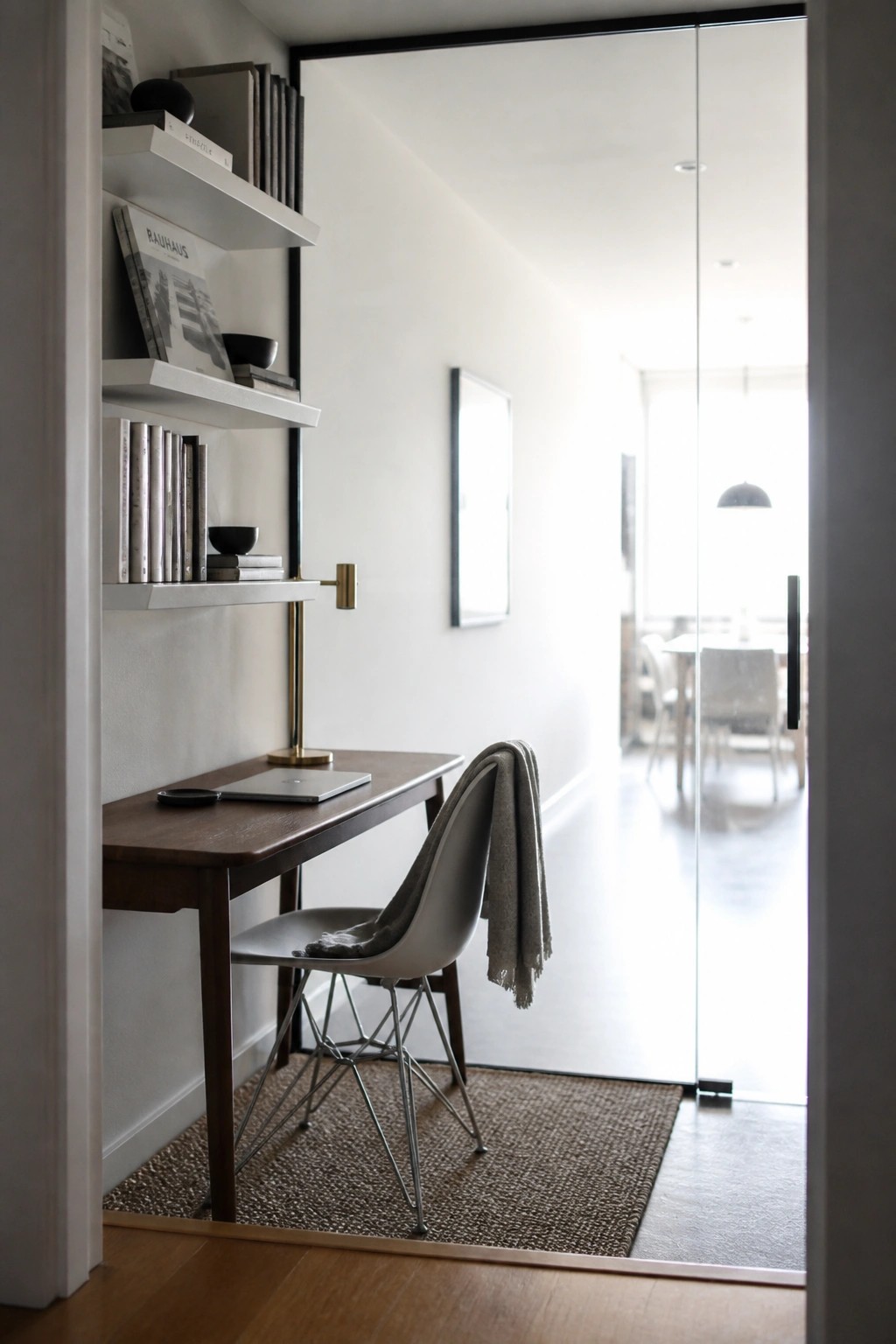
Many small workspaces run out of room fast once you add a laptop, papers, and a few reference books. Floating shelves mounted right above the desk give you vertical storage that does not eat into the floor space or make the area feel boxed in.
This approach suits narrow spots like hallways or corners where a full bookcase would not fit. Stick to a few shelves and keep only what you reach for often so the surface below stays clear for actual work.
Built-In Shelving For A Workspace
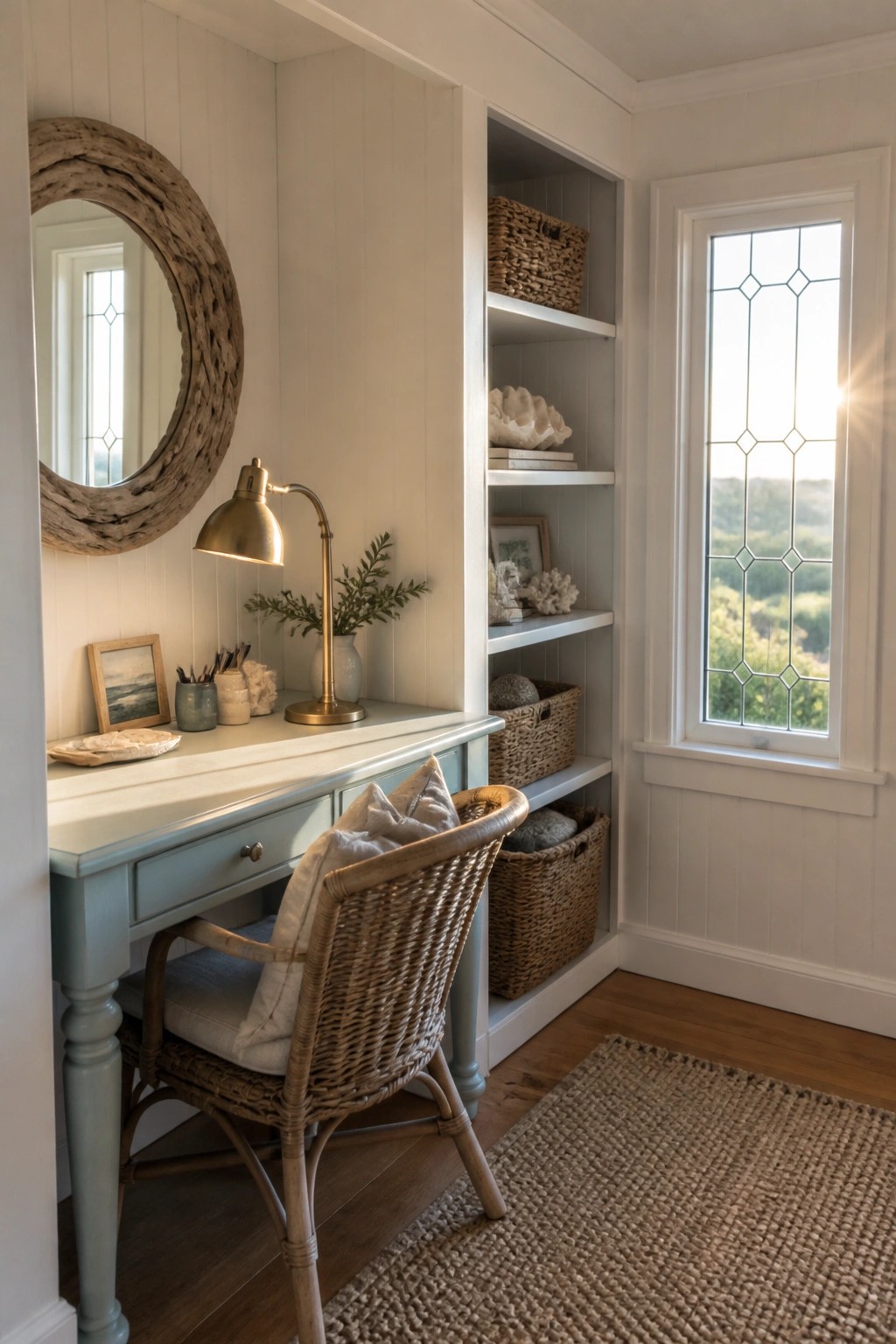
A desk with open shelves built right above it gives you storage without crowding the room. Baskets on the lower shelves keep things out of sight while still easy to reach, and the whole unit fits neatly into a corner or alcove.
This works best in smaller homes or rooms where floor space is limited. It keeps supplies and papers organized in one spot instead of scattered across the house.
Height Adjustable Desks Help During Long Workdays
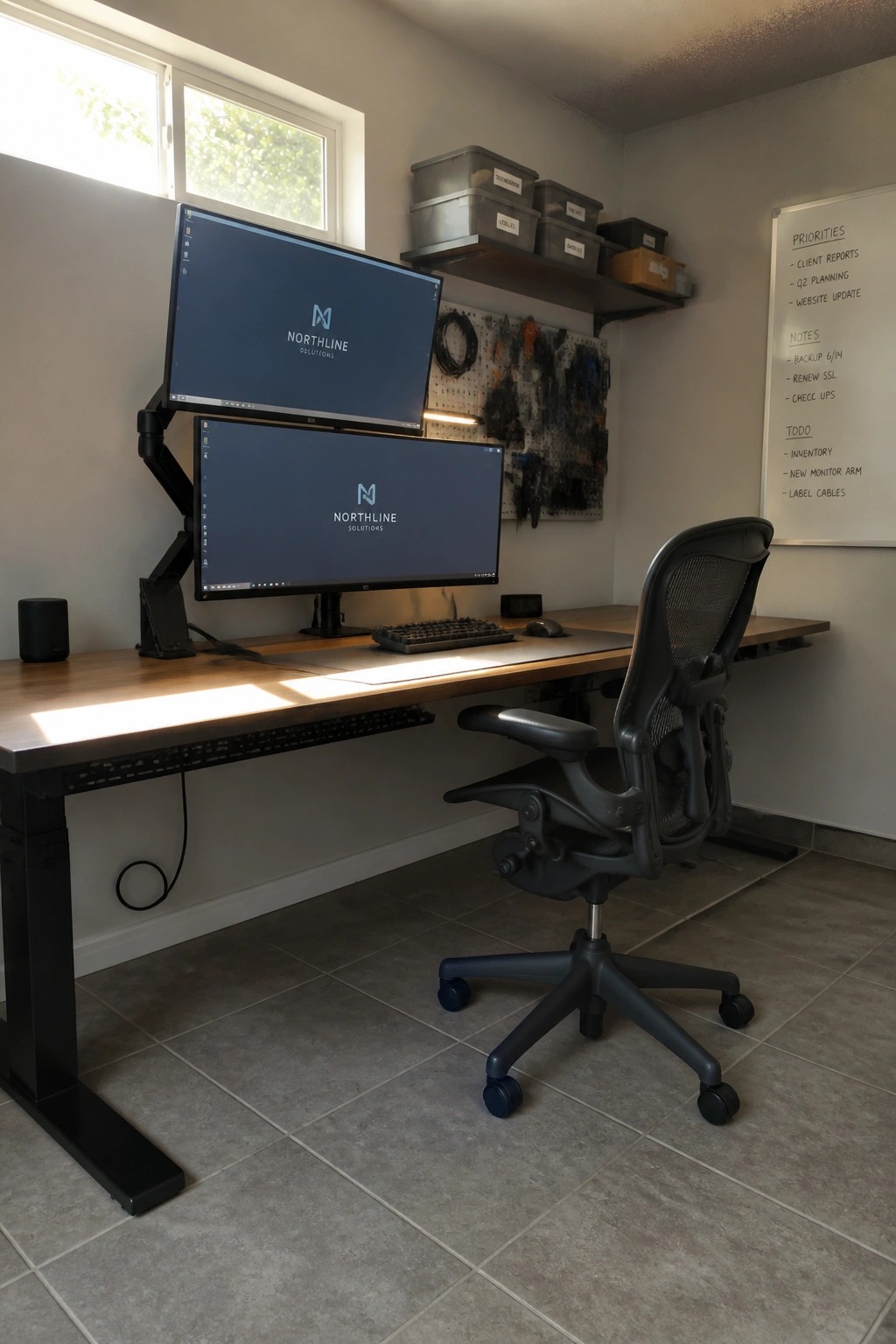
A desk that moves up and down gives you a simple way to change positions without leaving the room. Many people notice they feel less stiff when they can stand for part of the morning or afternoon instead of staying seated the whole time.
This setup works best in a dedicated workspace where you spend several hours at a stretch. Pair it with a monitor arm so the screens stay at the right height whether the desk is raised or lowered, and keep the surface clear enough to move around easily.
Use Open Shelves To Keep Supplies Handy

Open shelves work well in a home studio because they let you see your materials at a glance and reach them without digging through drawers. This setup keeps the main table clear for actual work while everything stays within arm’s reach.
Place the shelves at different heights along one wall so you can store jars, brushes, and smaller tools without crowding the floor. It suits smaller rooms especially, where closed cabinets would make the space feel tighter.
Paint One Wall Dark Behind the Desk
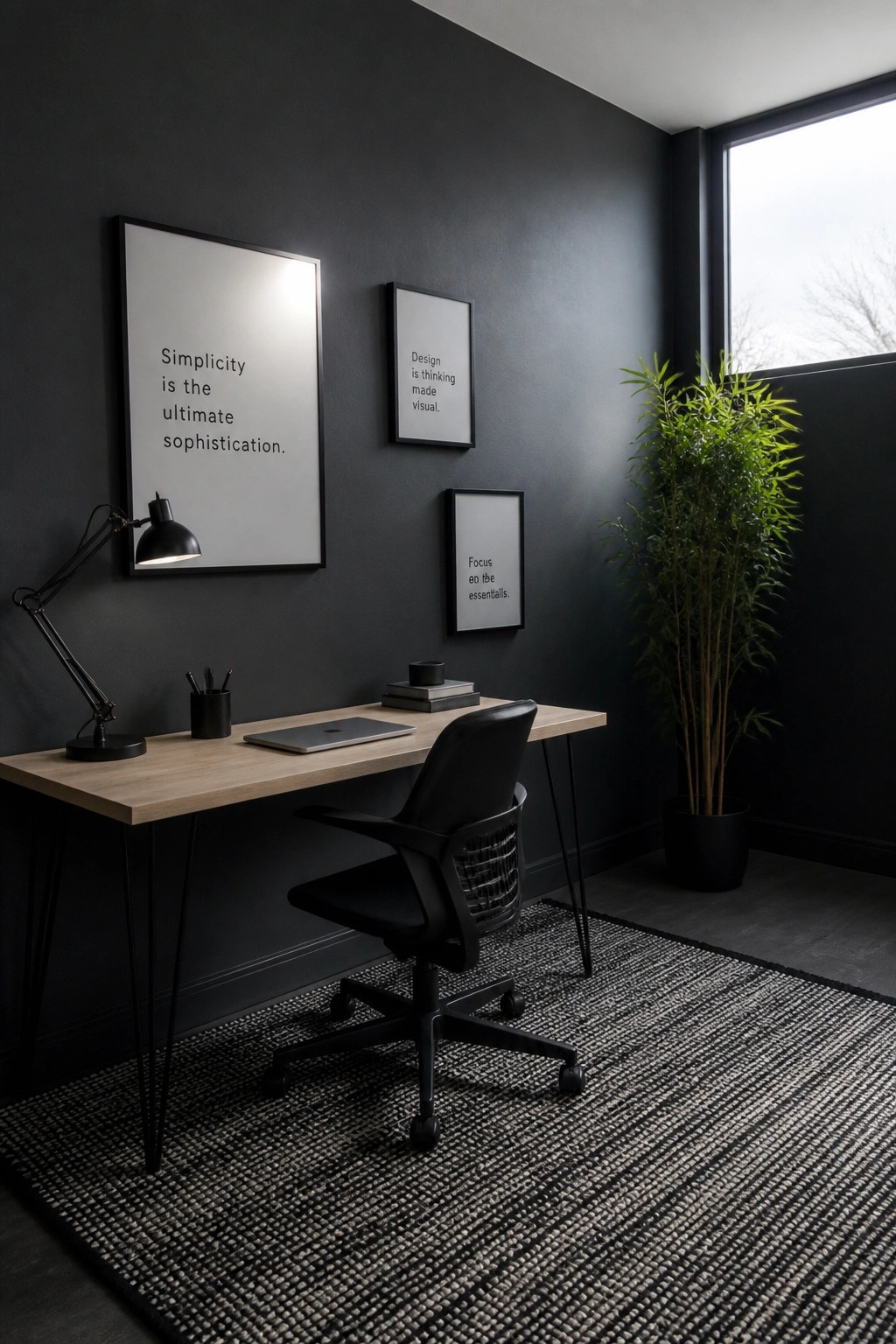
A dark wall color behind the desk helps turn an ordinary workspace into something more focused. It creates a clear boundary that separates work from the rest of the room and reduces visual noise from other areas.
This approach works well in smaller home offices or shared spaces where you want the desk area to feel intentional. Keep the desk and other furniture light in tone so the dark wall stands out without making the room feel heavy.
Position Your Desk By A Window
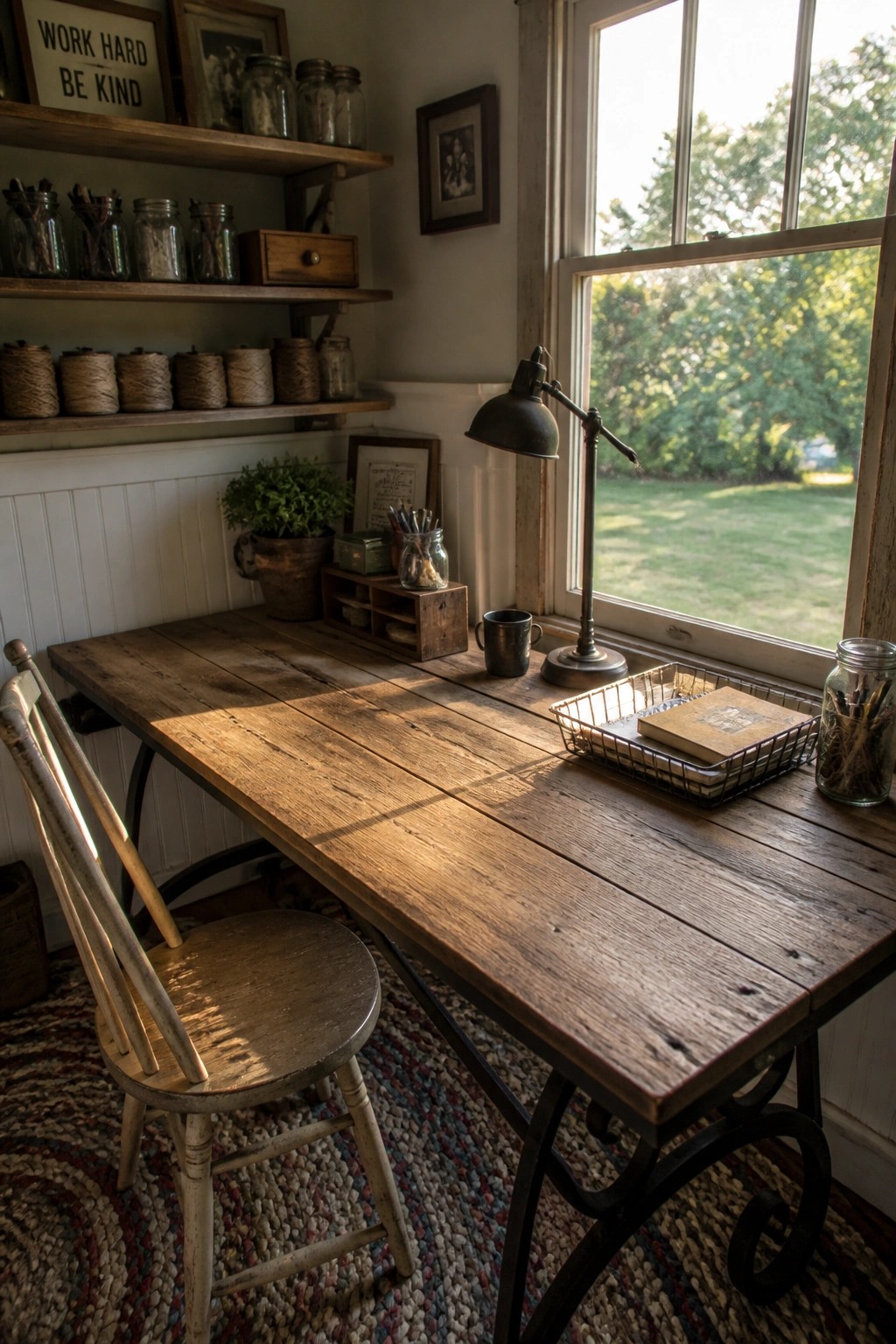
Many people find that placing a desk right next to a window makes the workspace feel brighter and easier to use during the day. Natural light cuts down on eye strain and gives a steadier sense of time passing, which can help with focus over longer hours.
This works best in smaller home offices where every bit of light counts. Keep the desk low enough that the view stays open, and watch for glare on screens if the sun hits directly. It suits older homes with deep window sills or any room that faces a yard.
Enclose Your Desk Area for Better Concentration

A small enclosed workspace can help block out distractions and keep you focused during the day. Dark paneling and a skylight create a quiet feel without needing a large room.
This setup works well in homes with extra closet space or an awkward alcove. Keep the desk and shelves built in so everything stays organized and within reach.
Hang A Big Corkboard To Stay Inspired

A large corkboard on the wall gives you a spot to pin up sketches, notes, and reference images so they stay in view while you work. It keeps the desk clear and turns the wall into a working surface instead of just decoration.
This setup works especially well in smaller or attic offices where wall space is limited but natural light is good. Place the board at eye level from your chair and leave room around it for the pieces you reach for most often.
Built-In Desks That Work In A Bedroom
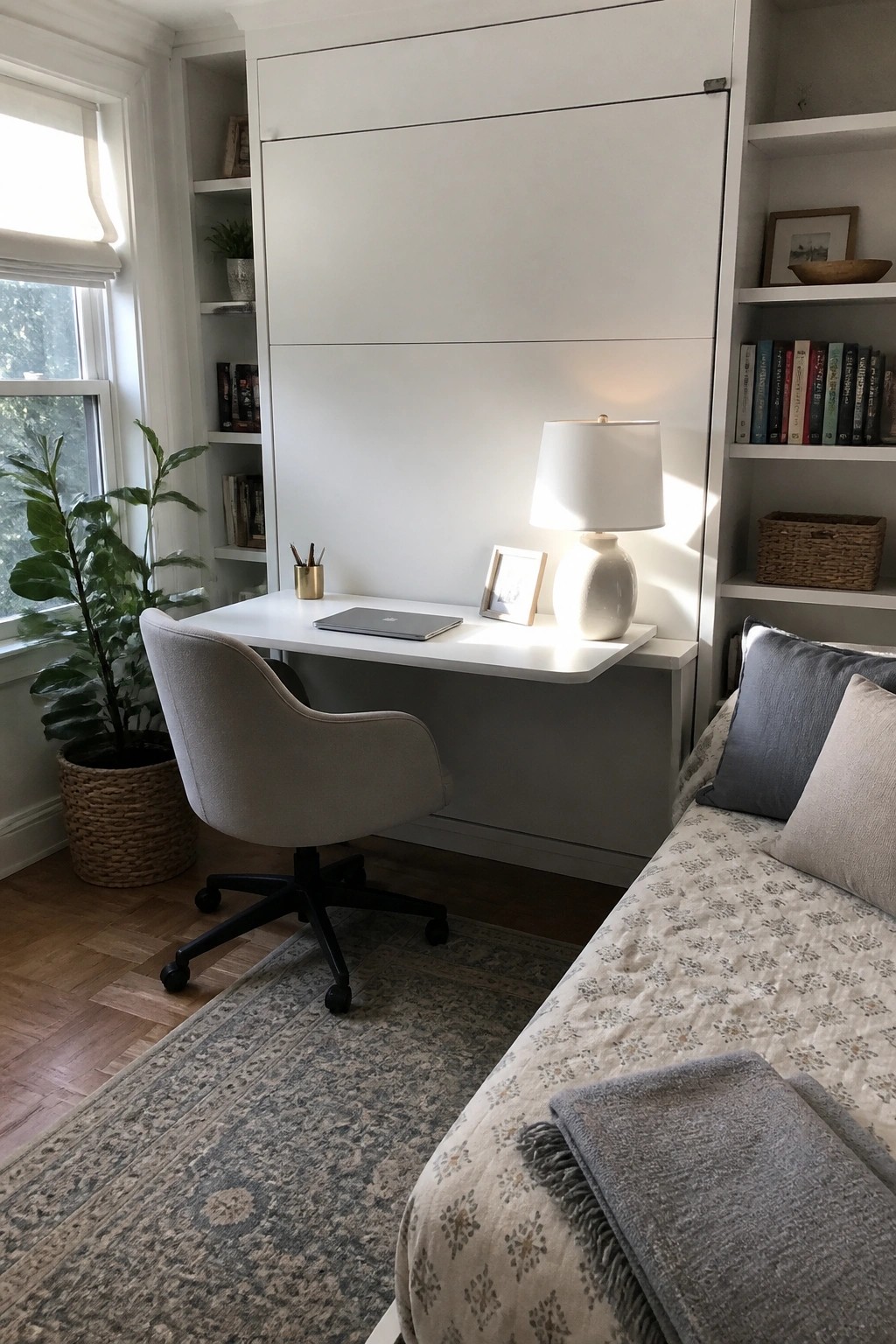
A built-in desk can turn a bedroom into a place where work happens without taking over the whole room. The cabinet doors above keep things tidy when the desk is not in use, and the whole setup stays out of the way of the bed and other furniture. This kind of solution works especially well in smaller homes where every room needs to do more than one job.
It suits people who want a simple workspace but do not have a separate office. Keep the colors light so the unit does not feel heavy, and make sure there is enough room to pull a chair in and out. Avoid crowding the area with too many extra pieces.
Finding a Supportive Chair for Your Workspace
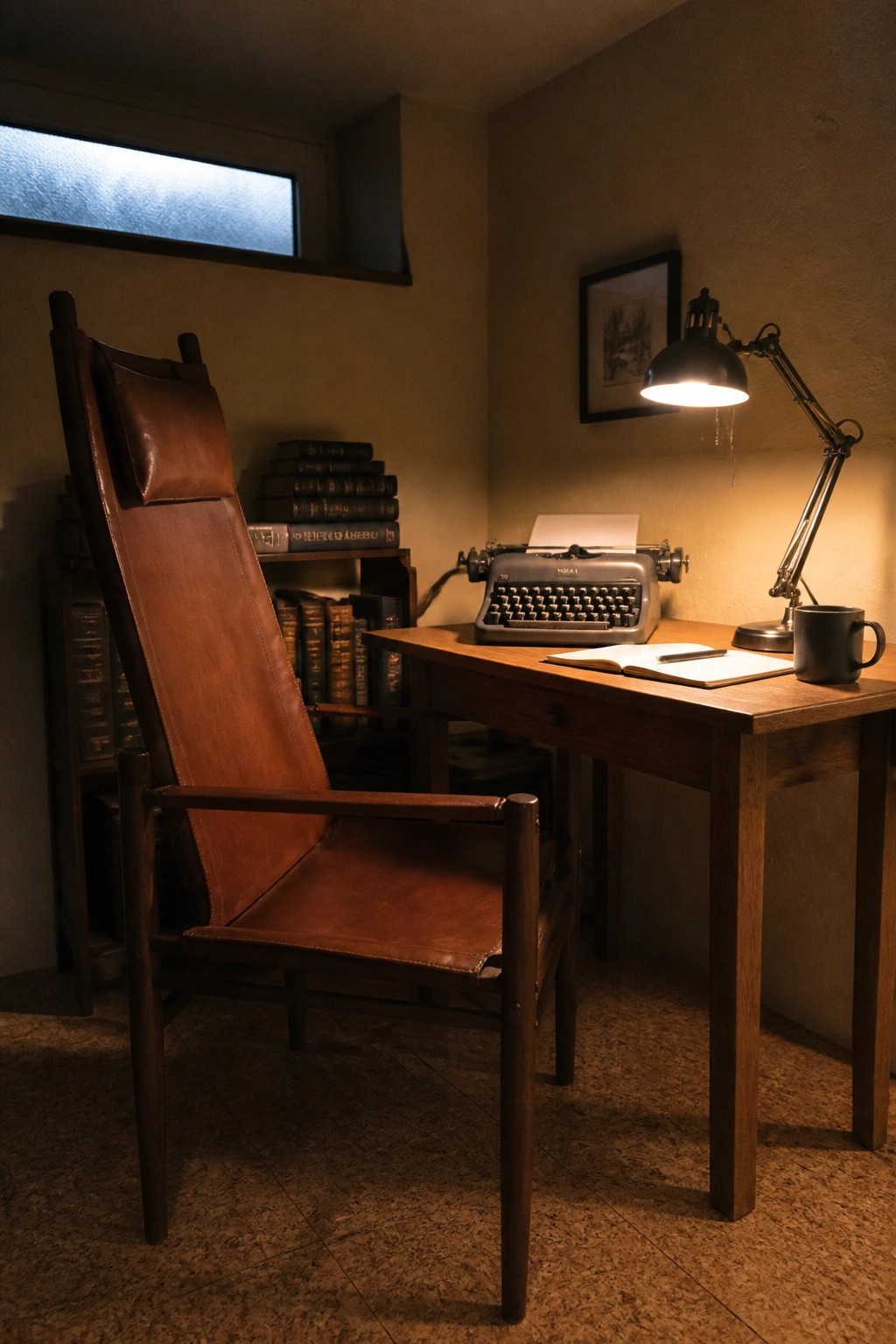
A supportive chair makes a real difference when you spend hours at a desk. The leather sling style shown here offers good back support and a relaxed sit that still keeps you upright for writing or typing.
This kind of chair works well in smaller rooms or studies where space is tight. Keep the seat height level with your desk surface so your arms stay comfortable, and pair it with a simple task lamp to avoid eye strain during evening work.
Long Tables For Family Work Areas

A long table gives everyone room to spread out and work side by side without needing separate desks. It works well in a space used for learning, crafts, or daily projects because it keeps supplies within reach and makes it easy to keep an eye on what is happening.
Place simple stools along one side so the table can seat several people at once. This setup suits homes with children or anyone who prefers working together rather than in separate corners.
Frequently Asked Questions
Q: What if my workspace feels cramped already? A: Start with one small change like moving your chair closer to a window. That shift alone can make the space feel bigger and keep you focused longer. Try it for a week before adding anything else.
Q: Do I need to buy new furniture to make these ideas work? A: No need. Rearrange what you have and add simple touches like a lamp or some photos. Your current setup probably has more potential than you think.
Q: How do I stop my new setup from getting messy again? A: Pick one spot for everything you use daily and stick to it. Clearing that area each evening takes just a minute but helps a lot the next day.
Q: Can these tips help if I work on a laptop in different spots? A: They work great for that. Keep a small kit with your favorite notebook and a plant you can move around. That way every temporary desk gets a quick boost.
