

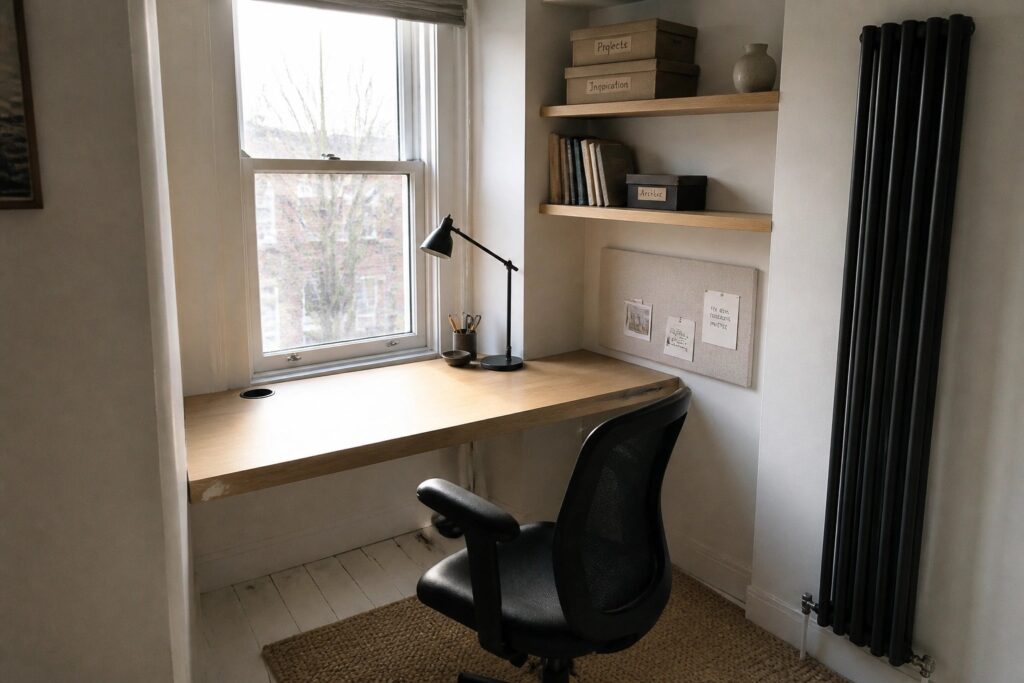
When I first tried turning a corner into a workspace I noticed how the angle of the walls changes everything about how the room feels once you add a desk and chair.
A good setup can keep the rest of the space open and usable instead of making the whole room feel chopped up.
Corners only work when the storage and lighting actually match the way you move through the room.
I have found that simple adjustments to the desk depth or shelf height often make the difference between a spot that feels temporary and one that stays comfortable all day.
Testing a few of these options in my own place showed me which ones hold up once the computer and papers are actually in place.
Add Shelves Over a Corner Desk
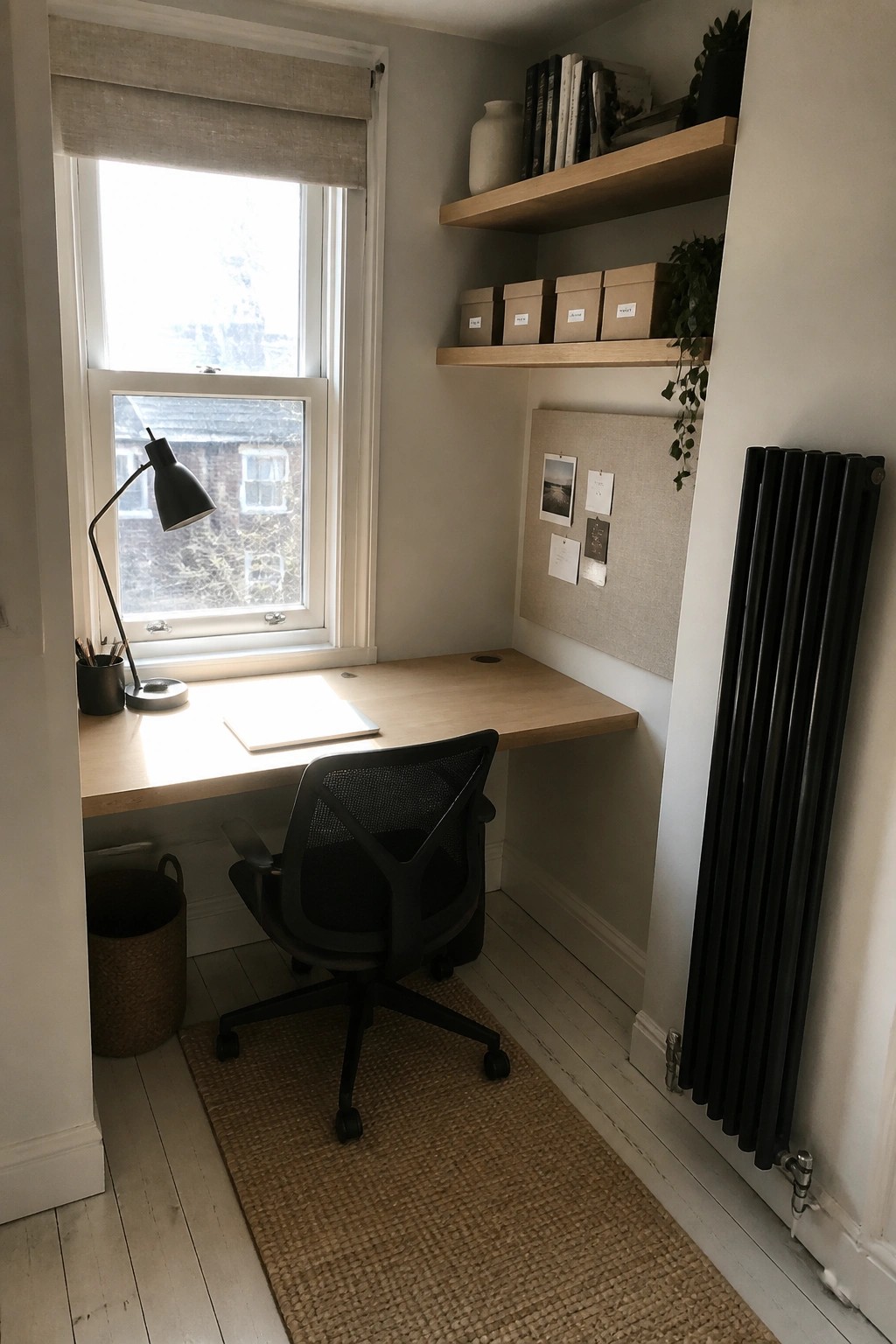
Putting shelves right above a desk in a tight corner gives you storage without eating into floor space. This setup works especially well when the desk itself stays narrow and the shelves handle books, boxes, and supplies that would otherwise pile up on the work surface.
It suits small rooms or homes where every inch counts. Keep the shelves at a reachable height and leave enough clearance for the chair to slide in and out easily.
Fit A Corner Office Into A Window Nook
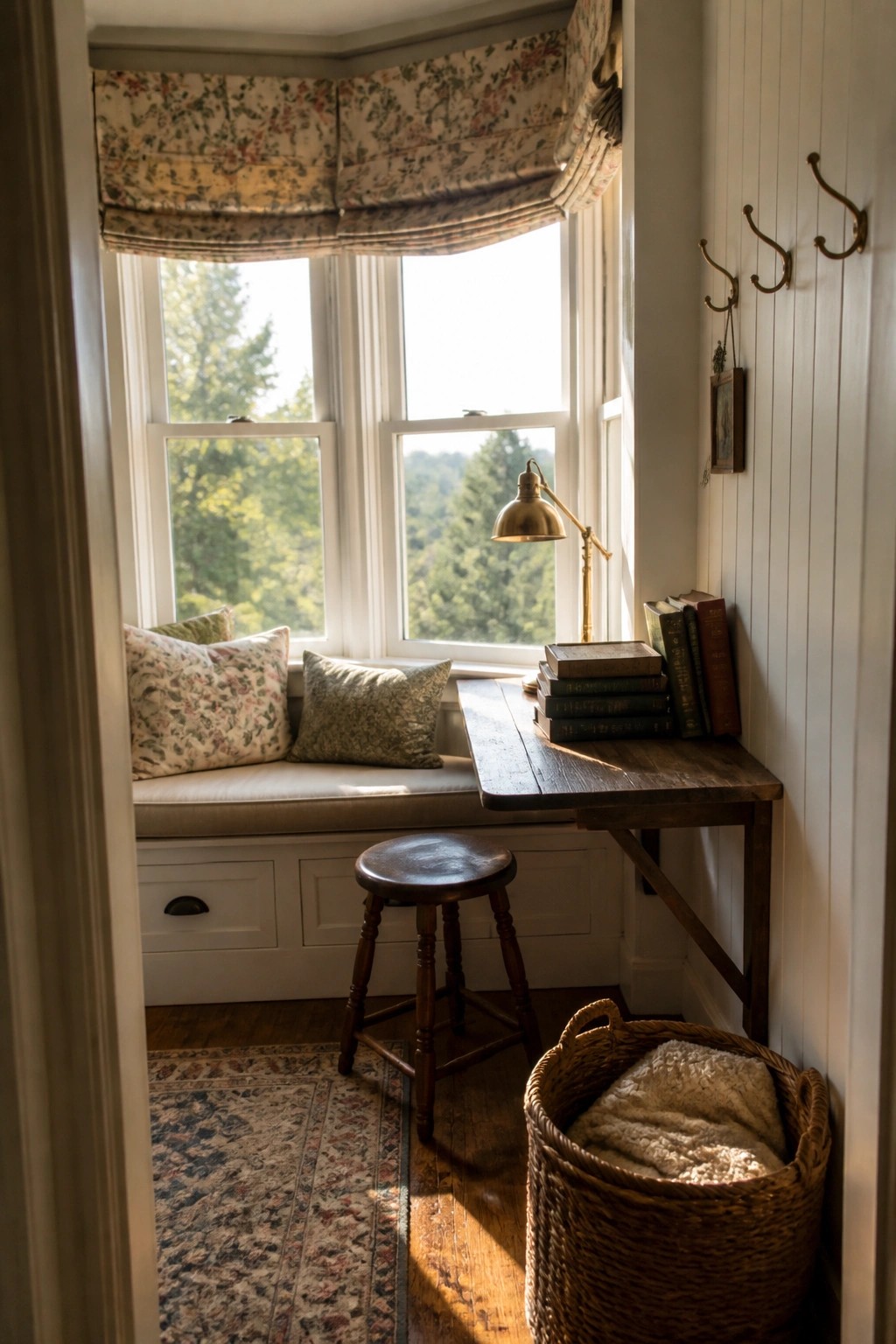
A window nook works well as a small office when you add a simple desk right next to the built-in bench. The seating stays comfortable for longer hours, and the desk keeps books and a lamp within reach without crowding the floor.
This idea suits older homes or any room with extra window space. Keep the desk shallow so it does not block movement, and use the wall above for hooks if you need a place to hang bags or headphones.
Turn the Space Under the Stairs Into a Corner Office
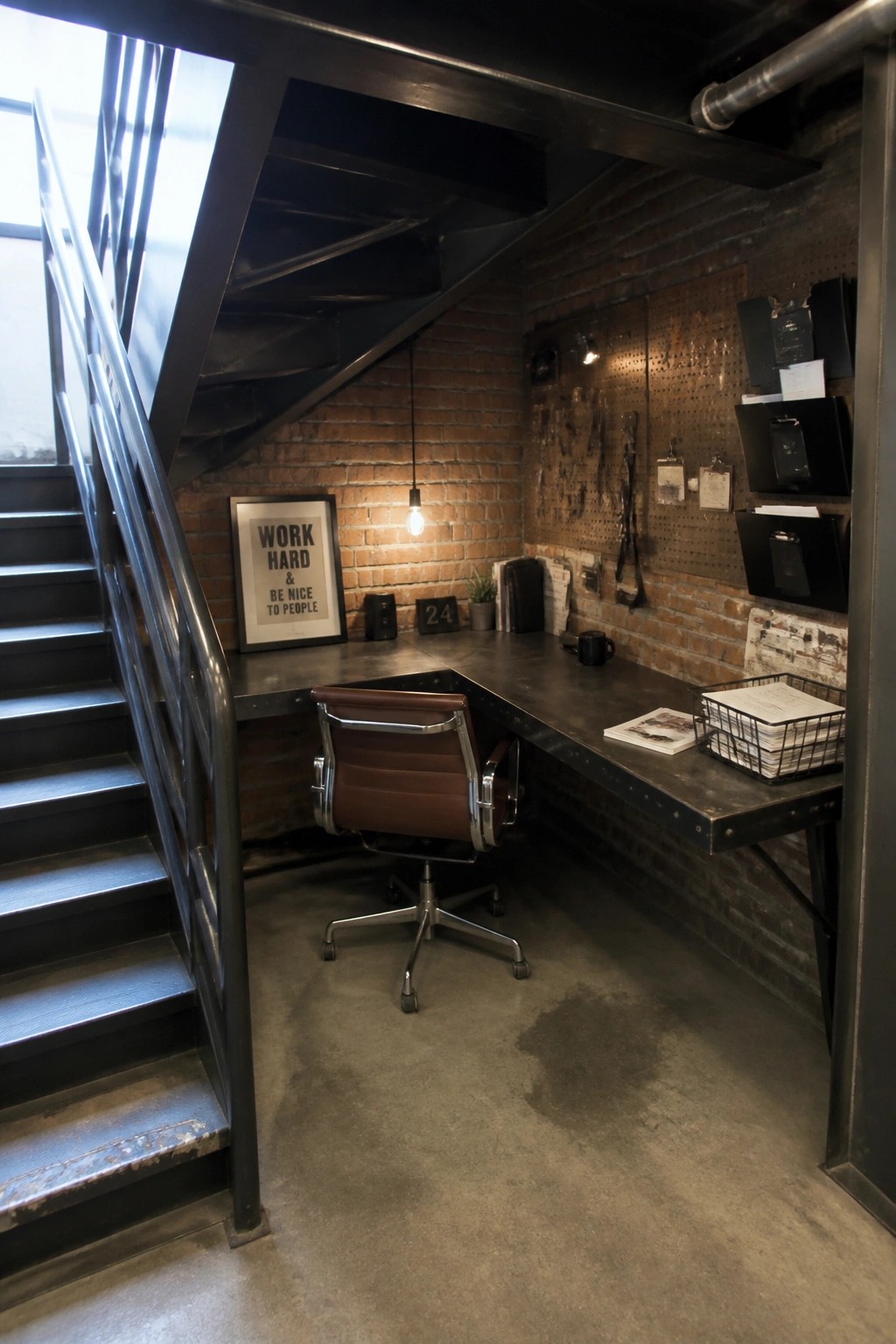
Many homes have an awkward gap under the stairs that never seems to work for much. An L-shaped desk solves that by hugging the corner and giving you a real workspace without eating into the rest of the room.
This idea suits small homes or any place where square footage is tight. Keep the surface mostly clear and add a few wall-mounted holders above the desk so papers stay organized without crowding the floor.
Built-Ins That Make the Most of a Small Corner
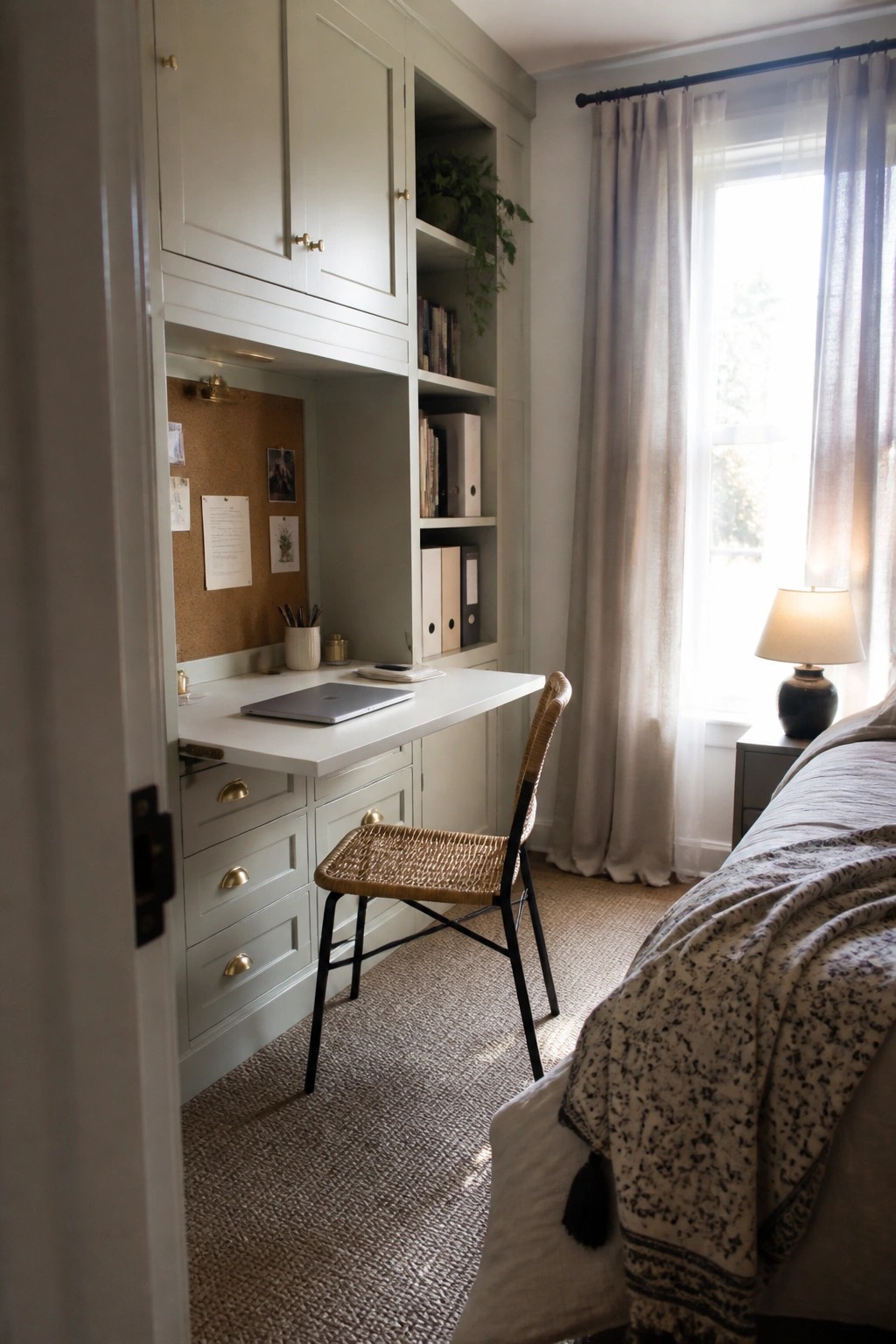
Built-in cabinetry with a pull-out desk is a practical way to add a workspace in a room that already has other uses. It keeps the surface clear when the desk is tucked away and gives you storage for papers and supplies without adding extra furniture.
This approach works well in bedrooms or guest rooms where floor space is limited. The cabinet doors and drawers help contain clutter, and the whole unit can be painted to match the room so it feels like part of the architecture rather than an add-on.
Add Open Shelving Under a Corner Desk
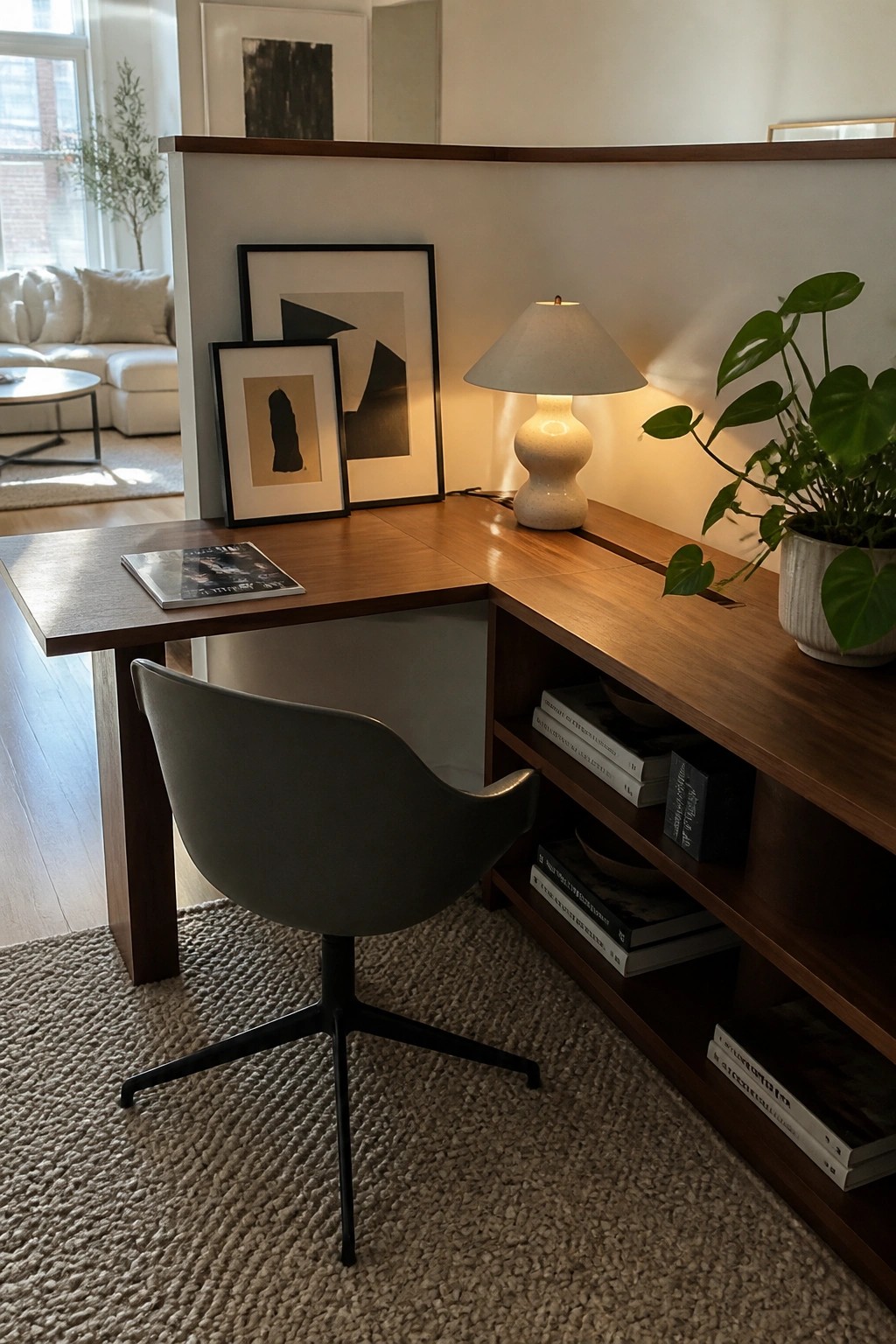
One simple way to get more use out of a small corner is to run open shelves right under the desk. This keeps books and supplies within reach without adding another piece of furniture that would take up floor space.
It works best in apartments or compact rooms where storage options are limited. Keep the shelves fairly shallow so the chair can move in and out without trouble.
Pair a Desk With Tall Corner Shelves
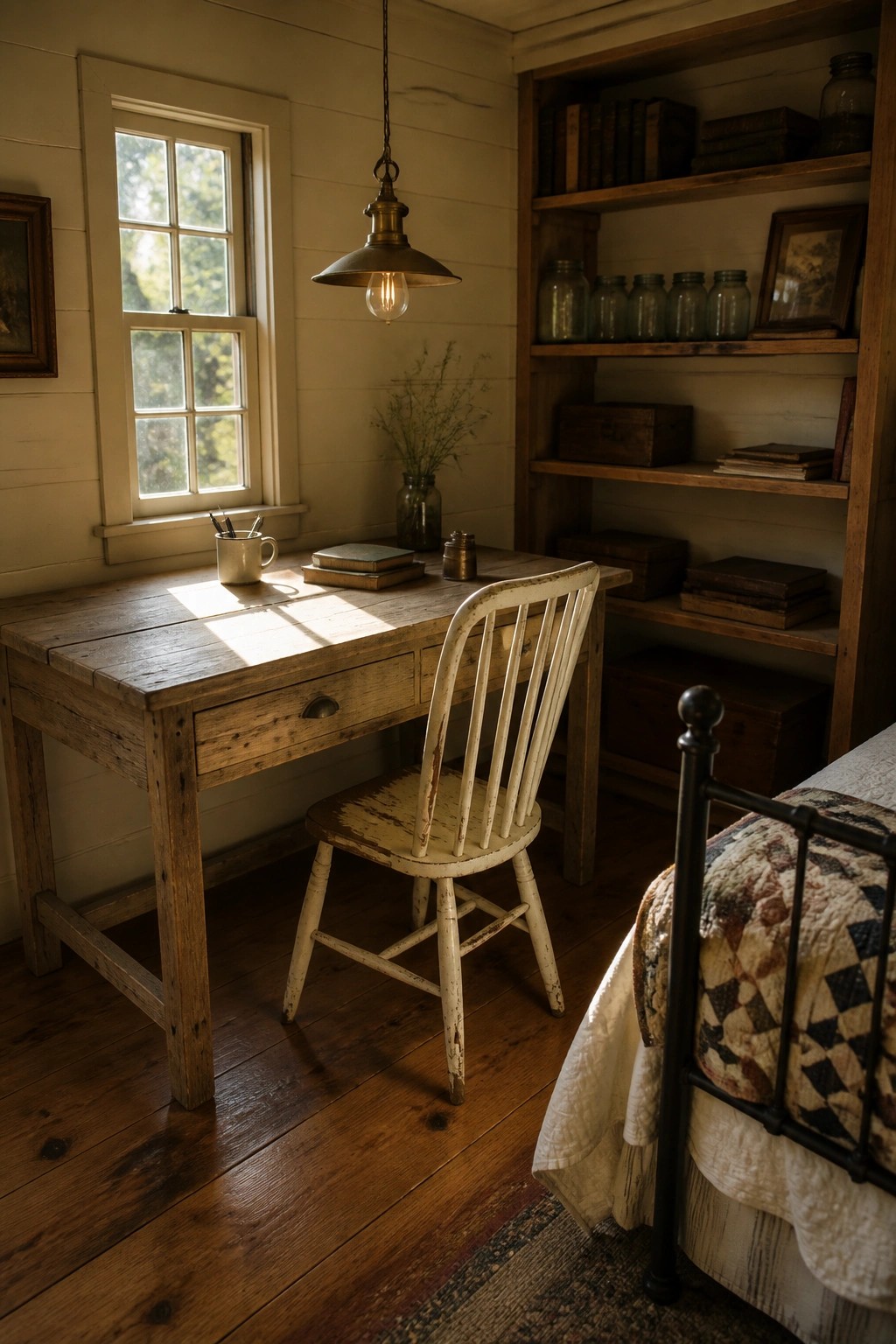
A desk tucked near a corner gains a lot when you add tall open shelves right beside it. The shelves hold books, boxes, and supplies without eating into floor space, and the setup keeps everything within reach while the desk stays clear for actual work.
This works well in small bedrooms or spare rooms where you need an office but do not have a full wall to spare. Keep the shelves at a depth that does not crowd the chair, and use the top levels for things you reach less often.
Use Woven Furniture To Keep A Corner Office Light
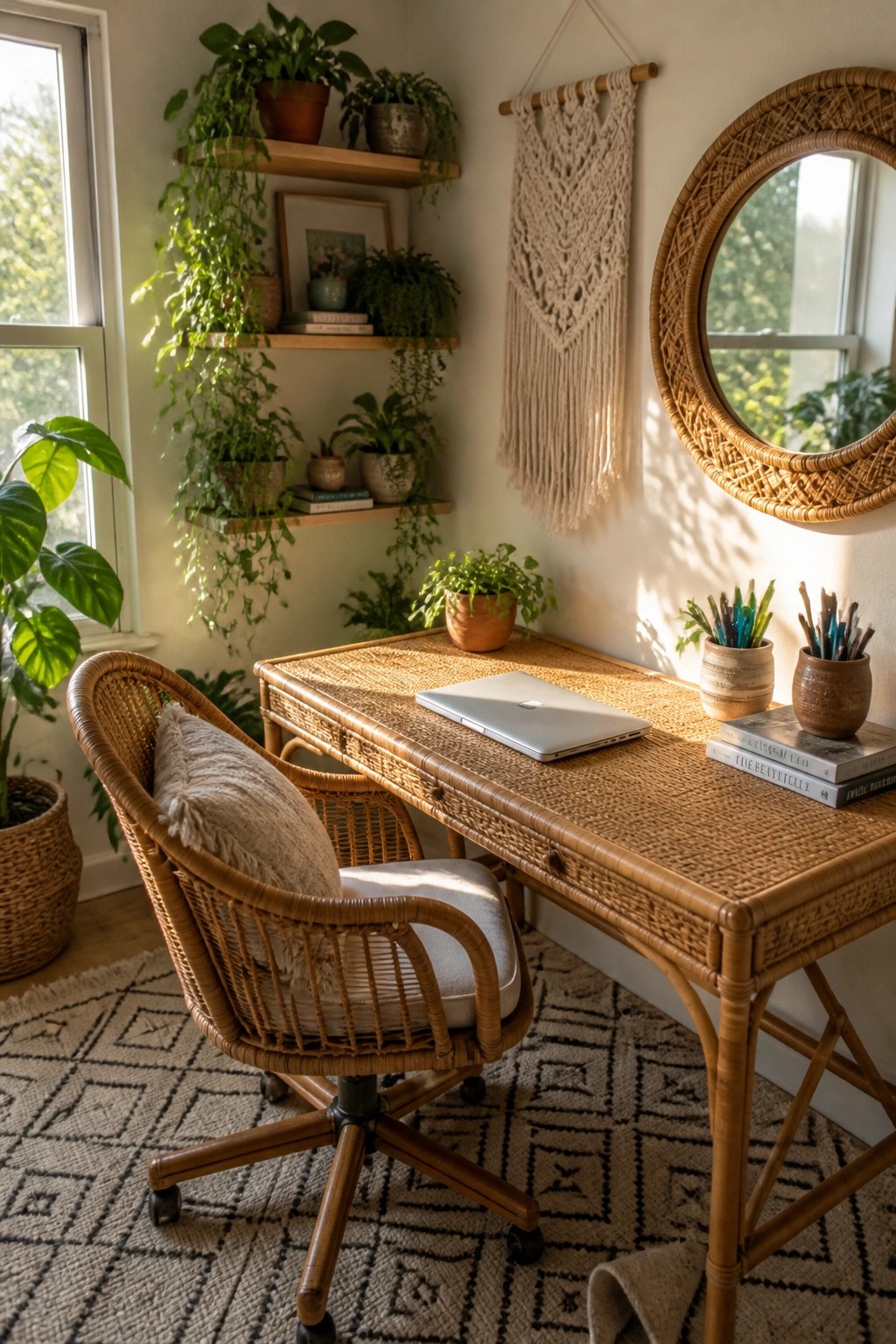
Woven pieces like rattan or wicker work well in a tight corner because they do not block light the way solid furniture can. The natural texture adds warmth without making the space feel closed in, and the open style helps the room feel a bit larger than it really is.
Place the desk snug against the two walls and add a matching chair that can tuck in when not in use. Fill nearby shelves with plants to soften the look and bring in some greenery. This approach suits smaller homes or apartments that need the office to feel calm rather than cramped.
Turn a Closet Into a Compact Corner Office
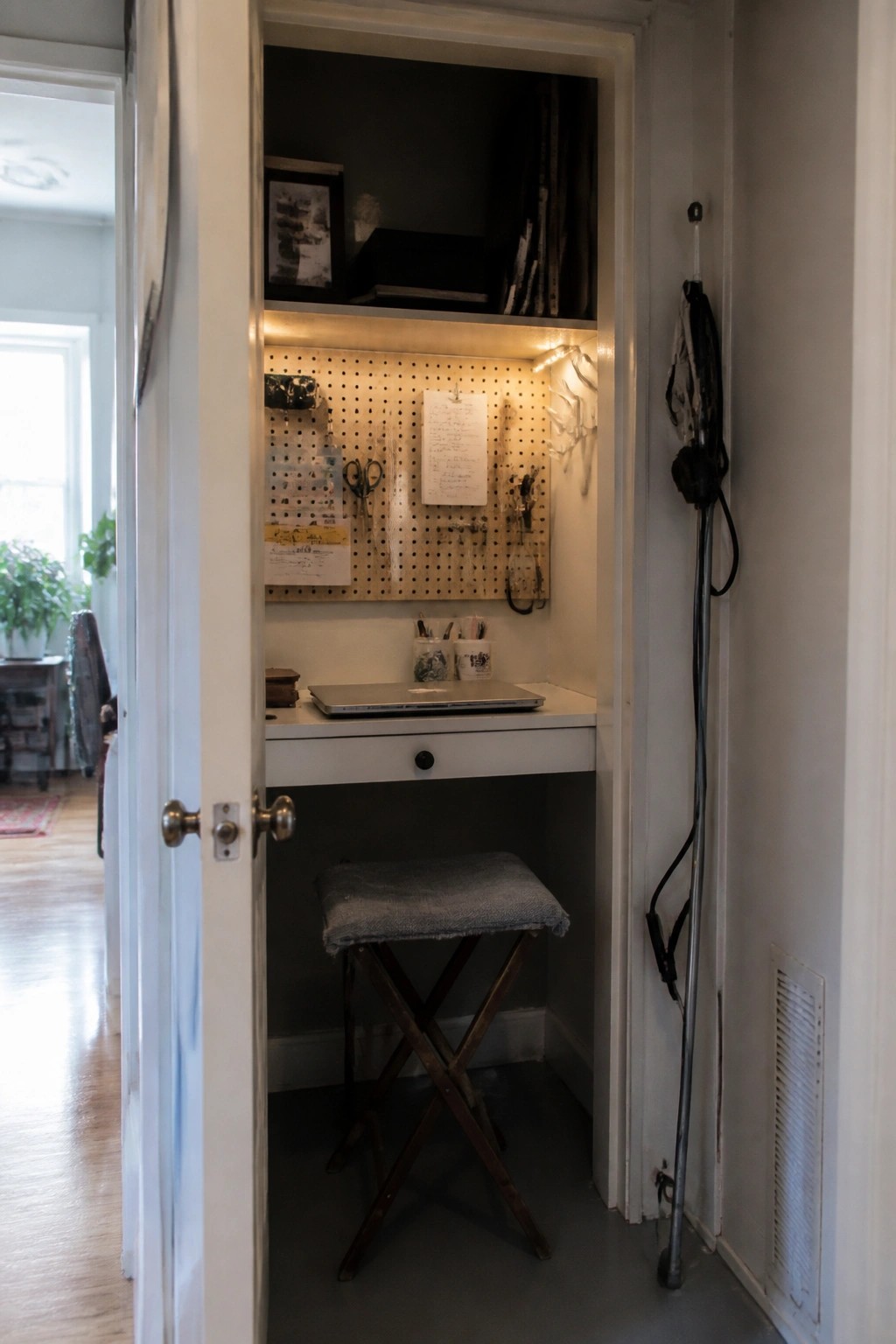
Many homes have a small closet that sits empty or half used. Turning that space into a tiny office gives you a real workspace without borrowing room from another area. It keeps the desk and supplies contained so the rest of the room stays clear.
A pegboard on the back wall holds papers and tools without adding shelves. Pair it with a narrow desk and a stool that folds away when you are done. This works best in apartments or older homes where square footage is tight and every corner needs to earn its keep.
Built-Ins Turn A Sloped Attic Corner Into A Workspace
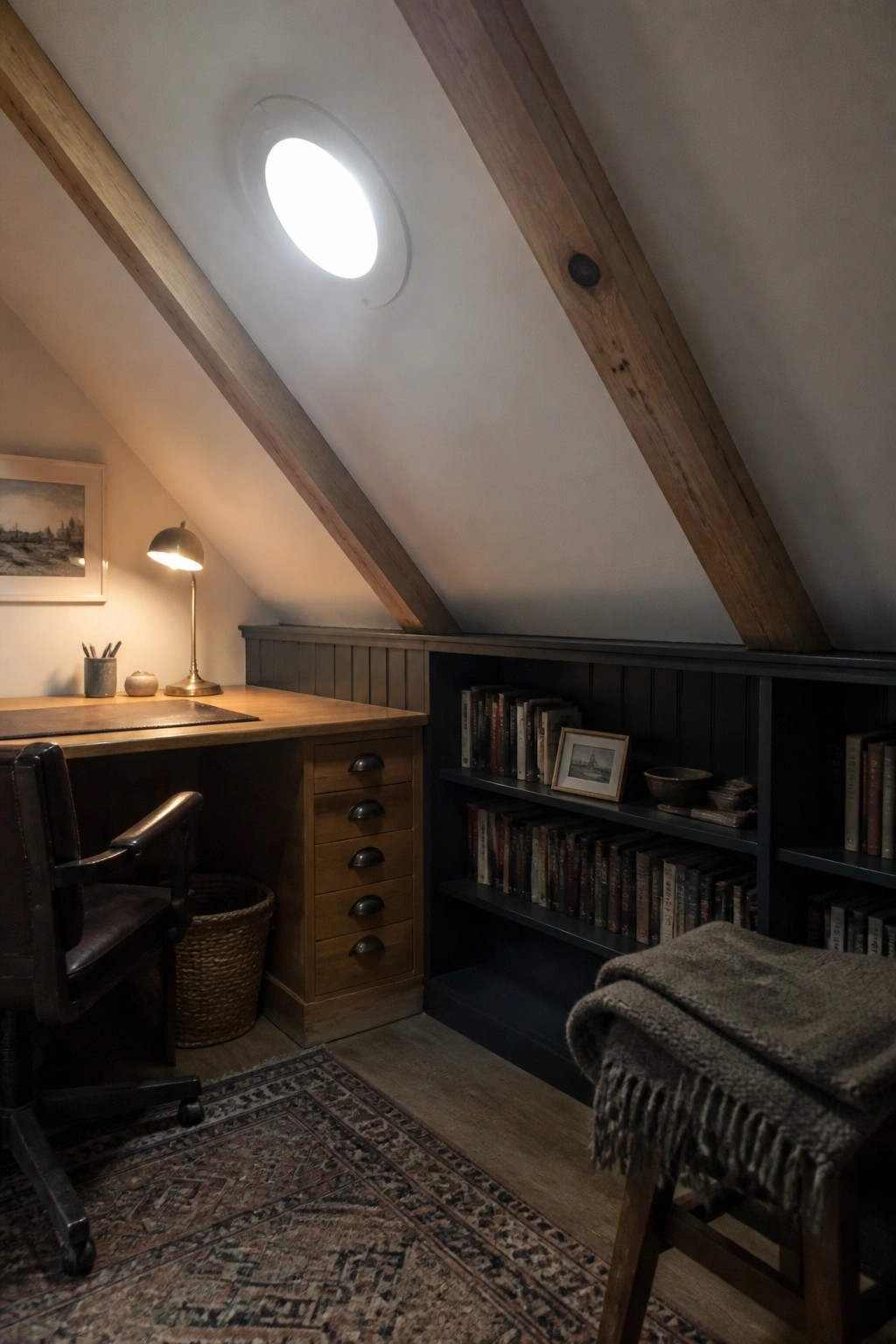
Many older homes have odd attic corners with low ceilings that feel hard to use. Built-in desks and shelves solve that by fitting right into the angle instead of fighting it. The result is a compact office that still leaves room to move around.
This approach works best in smaller homes or houses where the attic is the only extra space available. Keep the shelves low enough to reach and use the desk surface for daily work rather than storage. A simple wood tone helps the whole setup feel calm instead of cramped.
Built-In Corner Desks Add Storage Without Crowding The Room
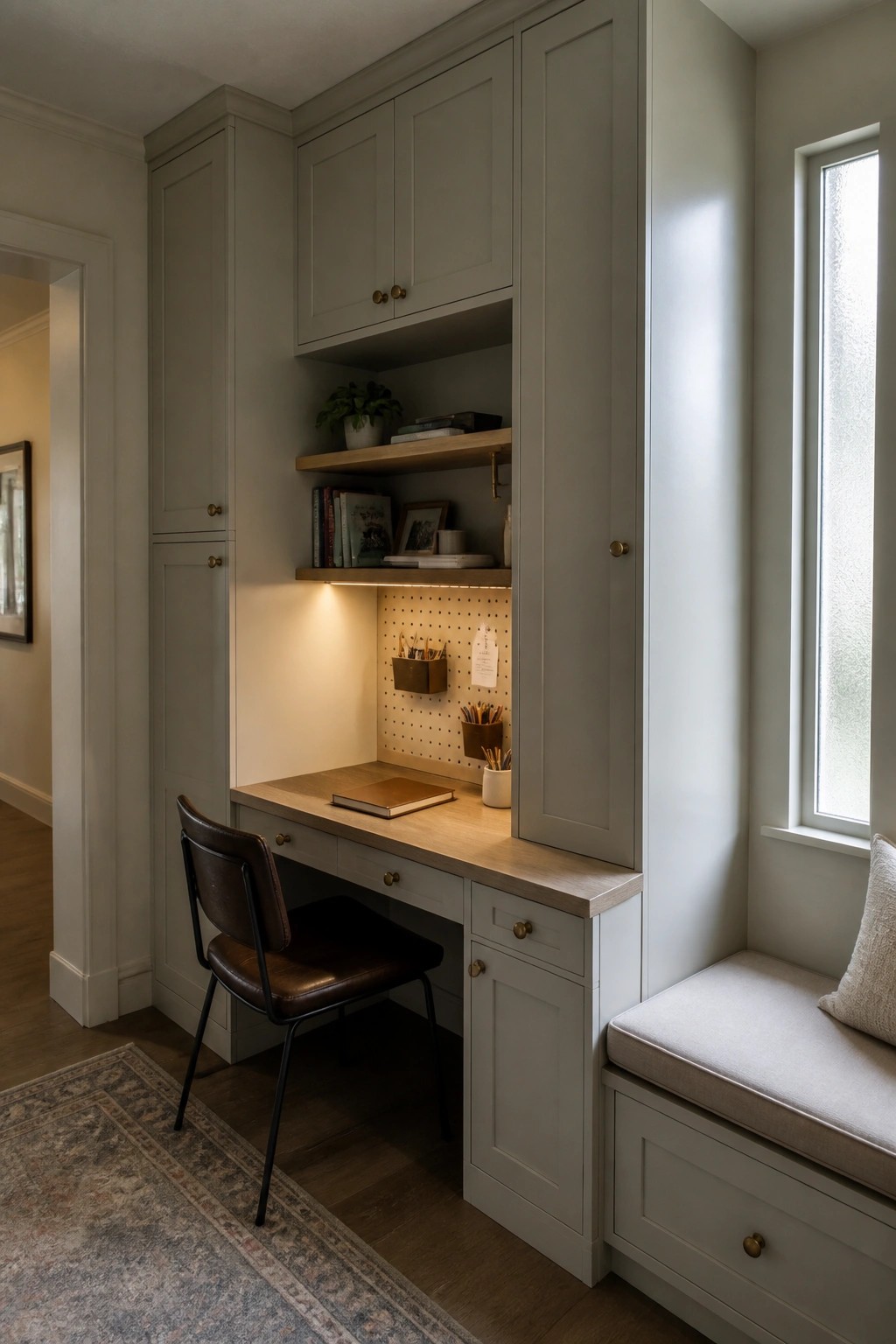
A built-in desk that fits into a corner can turn an unused spot into a real workspace. The cabinets above and below the desk keep papers and supplies out of sight, while the surface stays clear for daily use.
This kind of setup works best in smaller homes where floor space is limited. The pegboard adds a simple way to hang tools and notes right where you need them, and the light wood tone on the desk helps the whole thing feel less heavy than all-painted cabinetry.
Place The Desk In The Corner With Tall Shelving
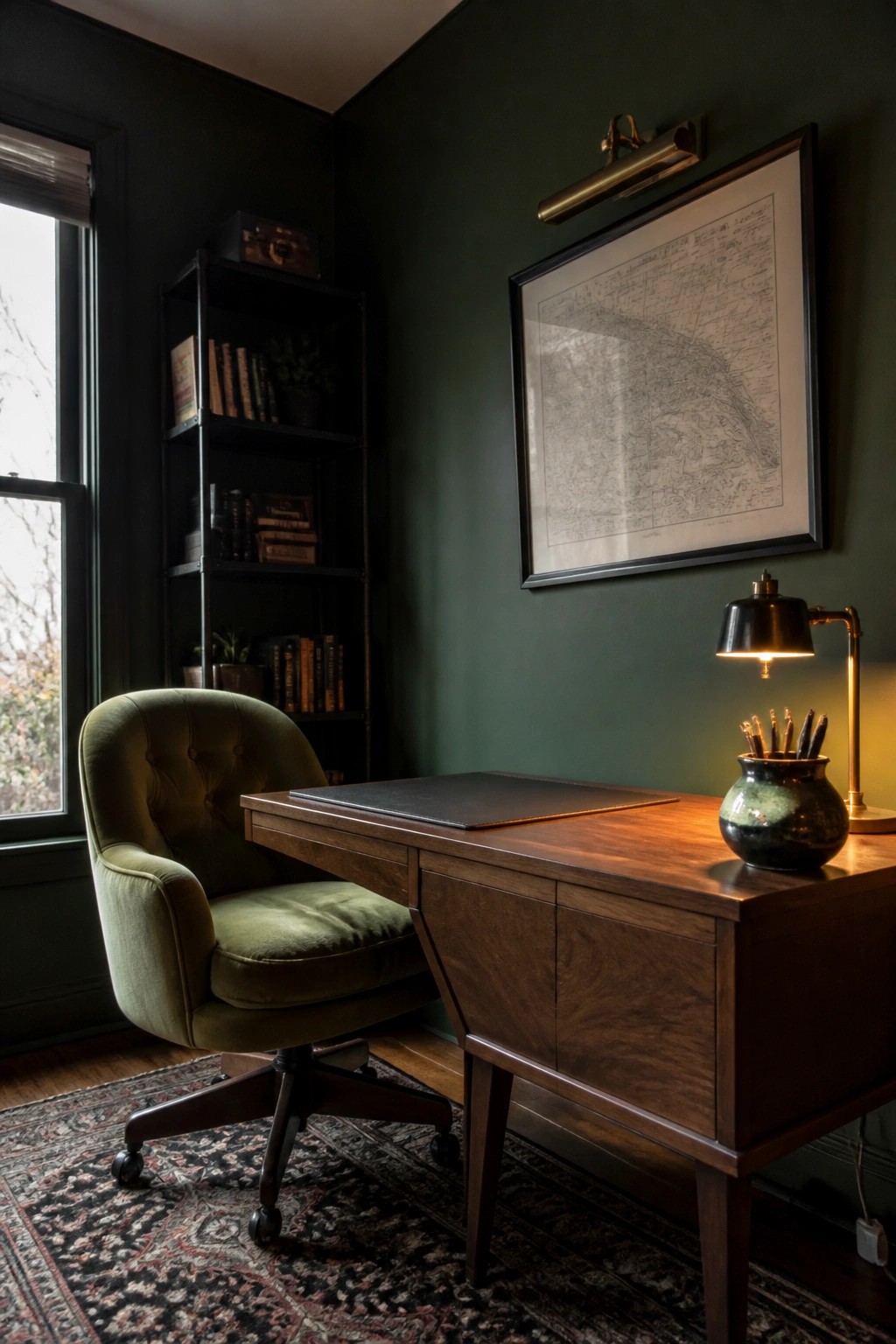
Many small home offices waste space by centering the desk or pushing it against one long wall. Putting the desk right into the corner frees up the rest of the floor and gives you a natural spot for a chair that still turns easily.
A tall open bookshelf next to the desk keeps everything close without adding more furniture that eats into walking room. This setup works especially well in older homes where rooms are narrow and every square foot matters.
Tuck a Desk Into a Corner by the Window
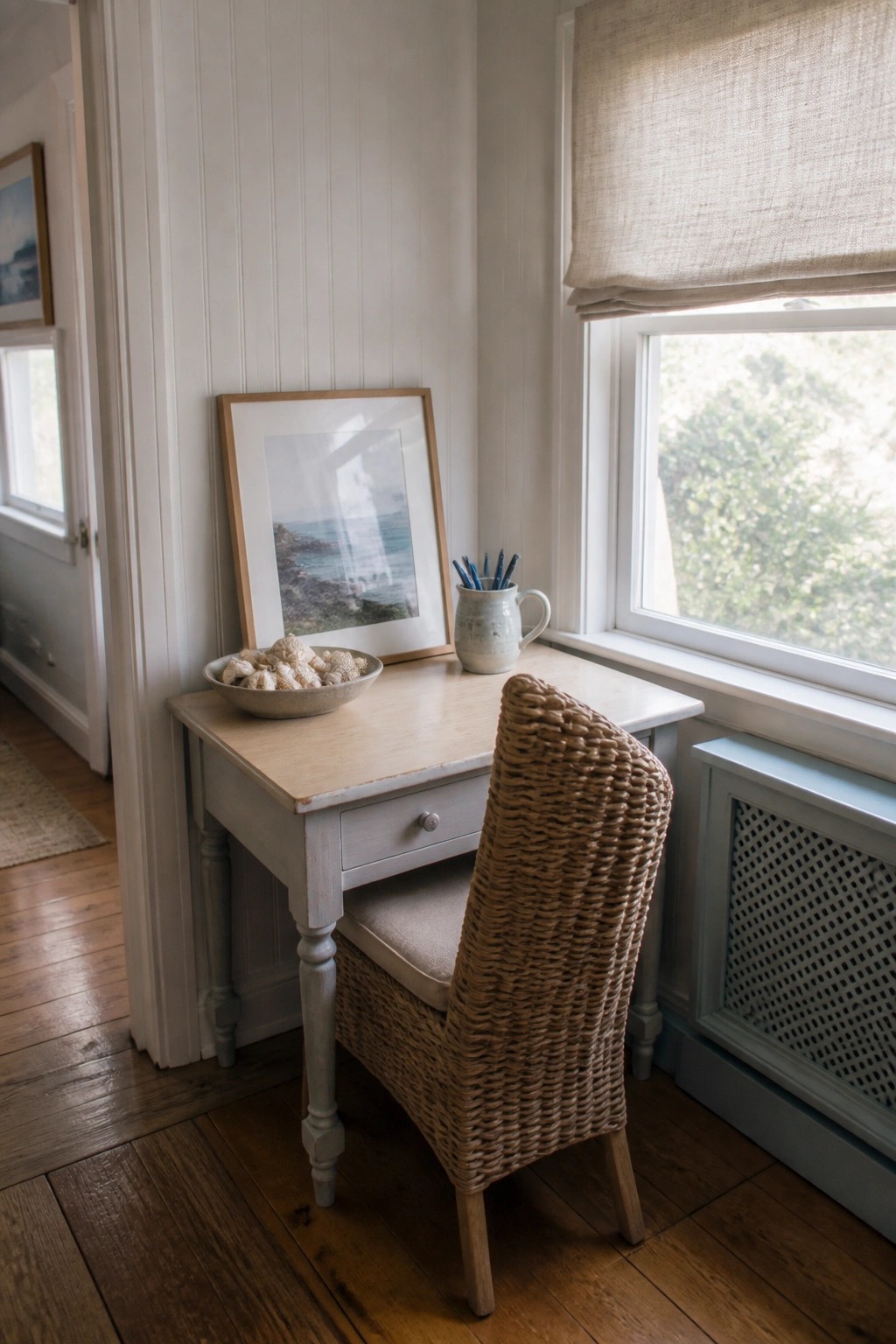
A small desk works well when it sits right in the corner next to a window. This layout uses space that often stays empty and brings in natural light without needing extra lamps during the day.
It suits smaller homes or rooms that do not have space for a full office. Keep the desk narrow and pair it with a simple chair so the corner stays practical and does not crowd the rest of the room.
Use An L Shaped Desk To Maximize Corner Space
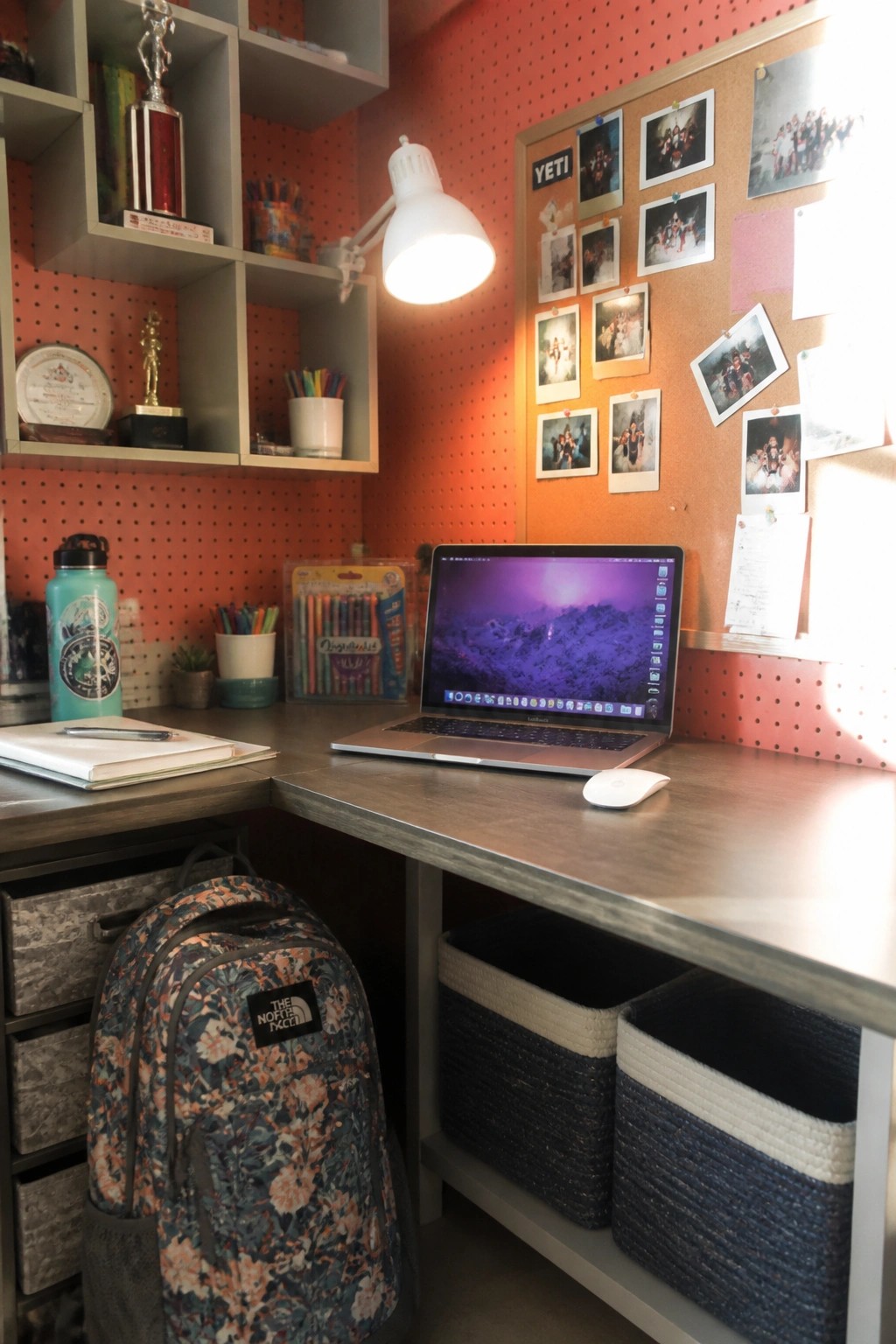
An L shaped desk works well in a corner because it uses both walls at once. This layout gives you a solid amount of work surface without pushing into the middle of the room.
You can add open shelves and a pegboard above the desk to keep supplies and notes within reach. The setup works best in small bedrooms or apartments where floor space is limited and everything needs to stay organized.
Add a Floating Shelf for Storage
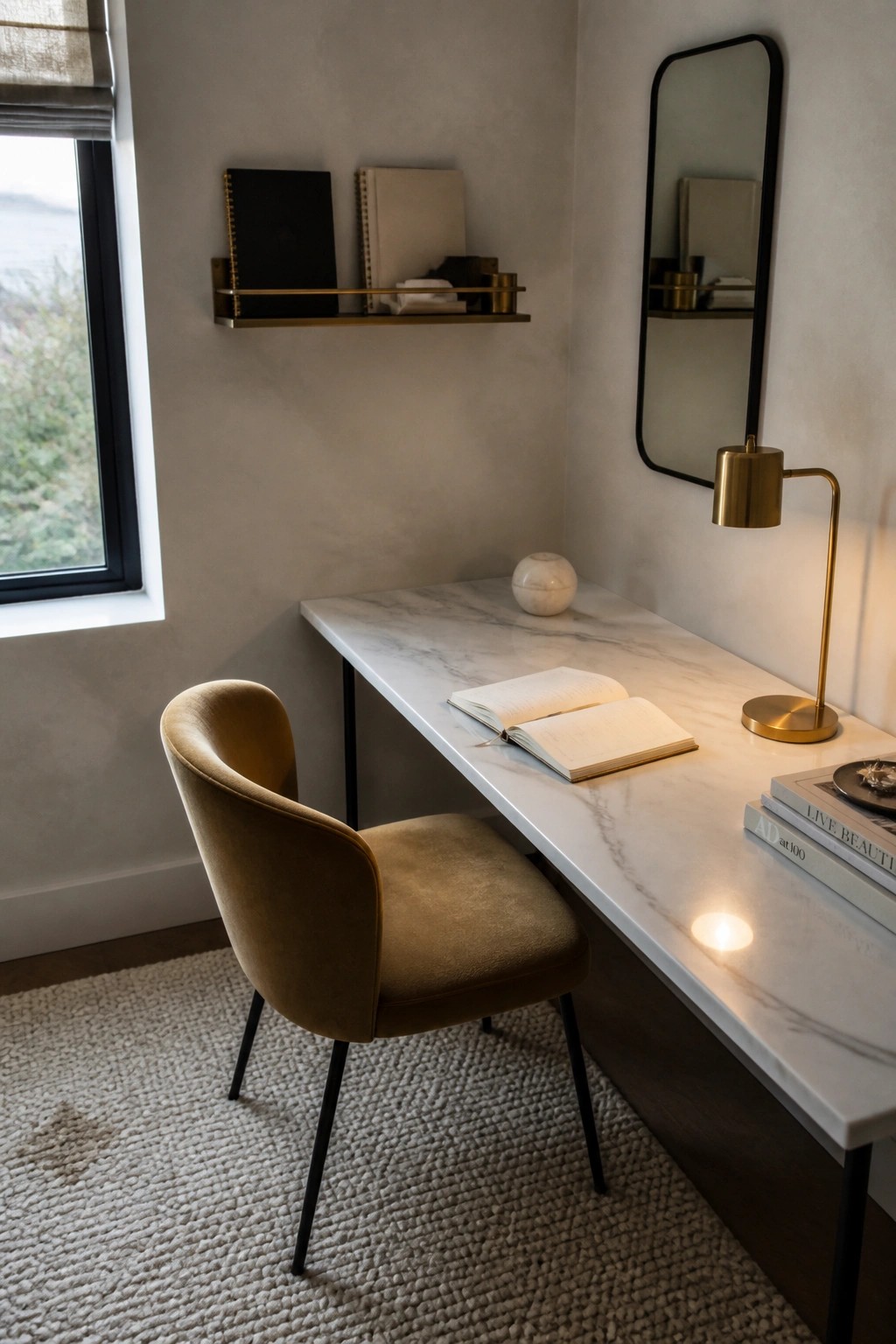
A floating shelf above the desk gives you a place to keep notebooks and small items without taking up any floor space. In a tight corner this keeps the surface clear while still giving you room for the things you reach for often.
Place the shelf at a comfortable height so it does not block your view or feel like it is crowding the chair. This setup works well in any small room where you need the desk area to stay open and the walls to do more of the work.
Use Vertical Storage to Maximize a Small Office Corner
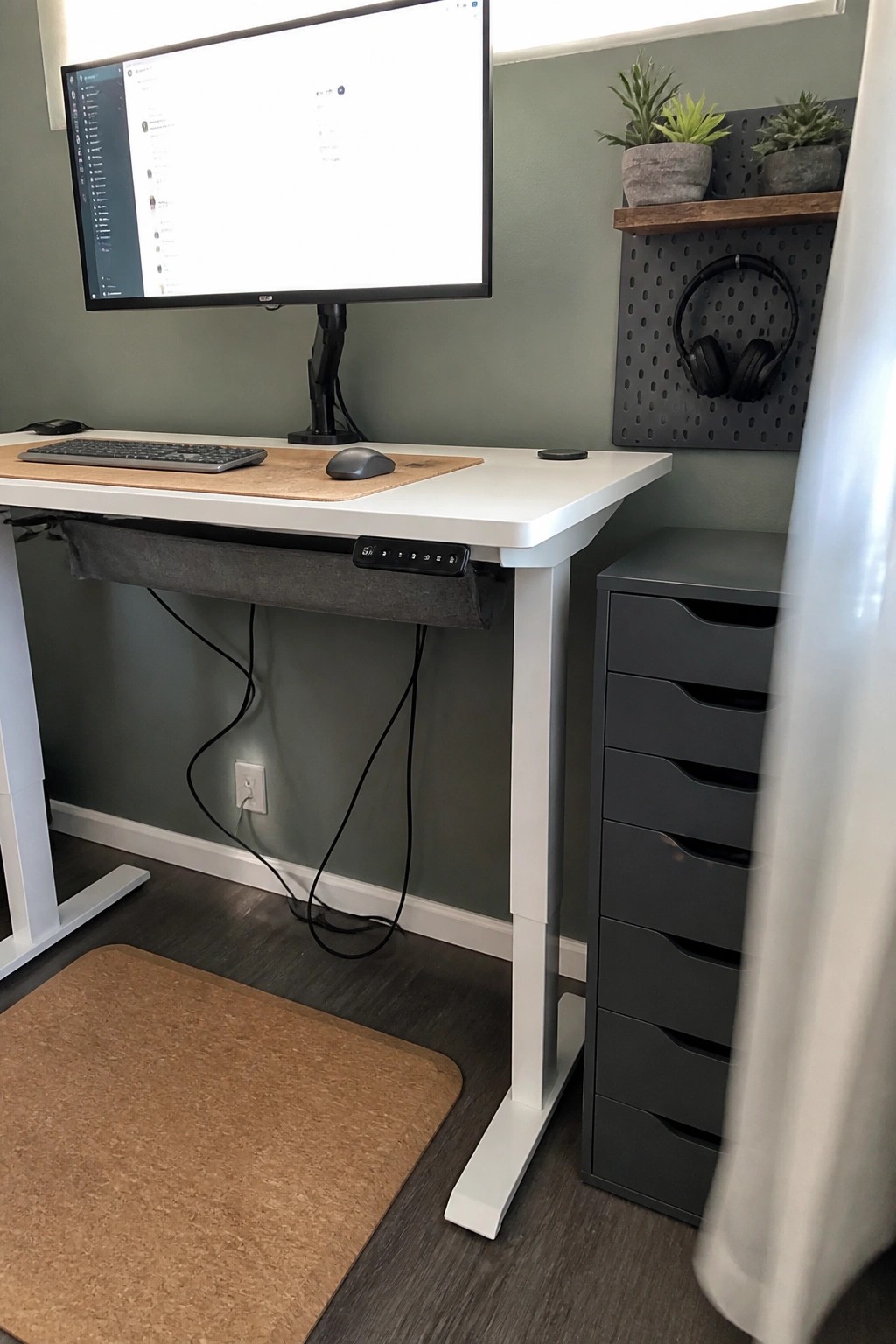
A tall narrow cabinet placed right beside the desk gives you several drawers for files and supplies while keeping the floor area open. This approach works especially well when the workspace has to fit into a limited spot without crowding the room.
Hang a simple pegboard on the wall above the cabinet to hold a few everyday items off the desk surface. The combination keeps things organized and leaves room to move around the chair.
Build a Counter Desk Under Upper Cabinets
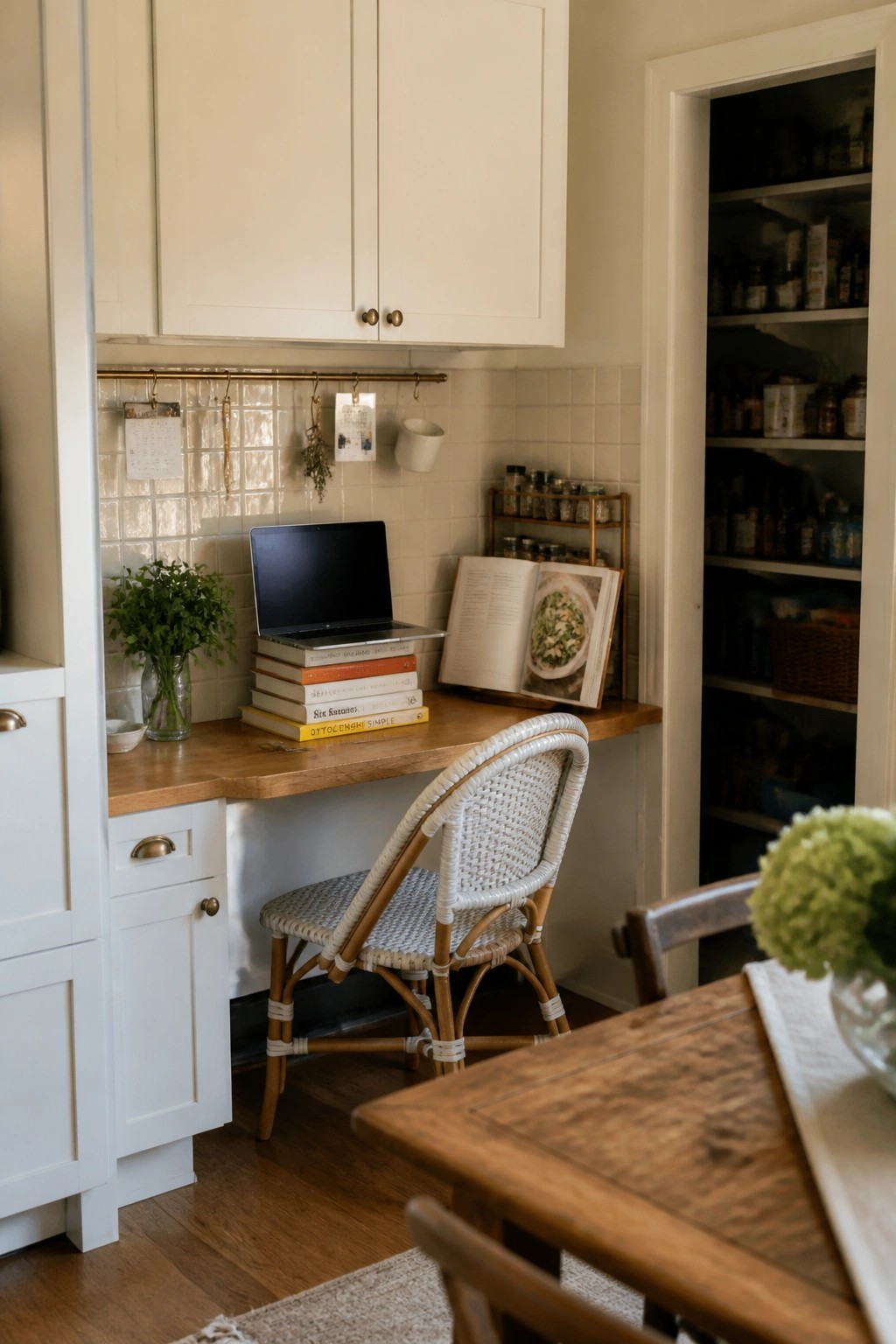
Many kitchens already have empty wall space under upper cabinets. Adding a simple wood counter there creates a compact workspace that feels built in without taking over the room.
This setup works best in homes where the kitchen doubles as a work area. Keep the surface clear except for a laptop and a few books so the chair can slide in and out easily.
Place Your Desk In A Window Corner
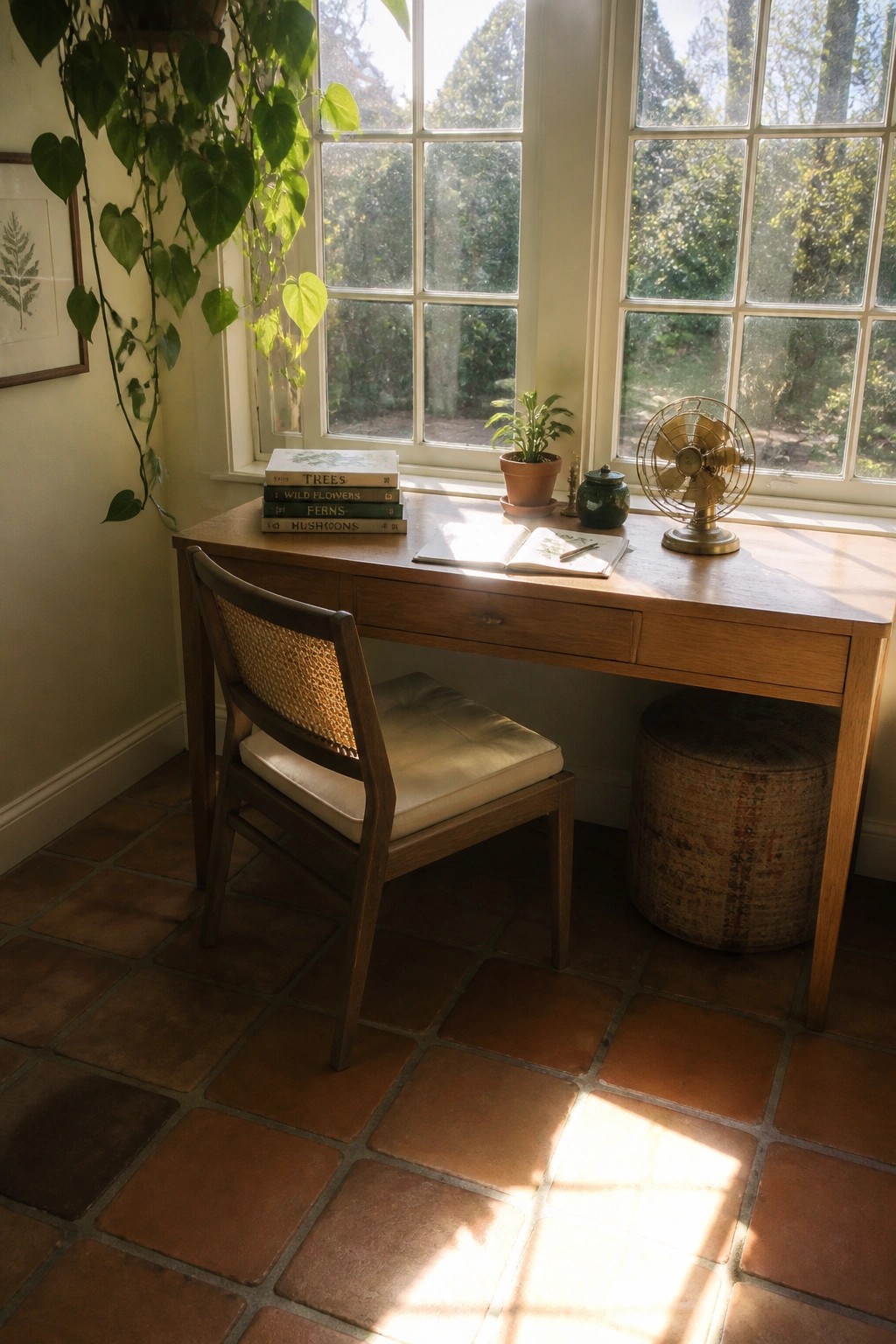
Putting the desk right up against the window turns an ordinary corner into a bright, usable workspace without taking up extra floor space. The natural light reduces the need for a lamp during the day, and the view makes the area feel less cramped even in smaller rooms. A simple chair that tucks in neatly keeps the setup compact.
This works best in homes where the corner has decent window access and not much traffic behind the chair. Keep the surface clear except for a few essentials, and use the space under the desk for a low stool or nothing at all so the room still feels open.
Built-In Desks For Small Corner Spaces
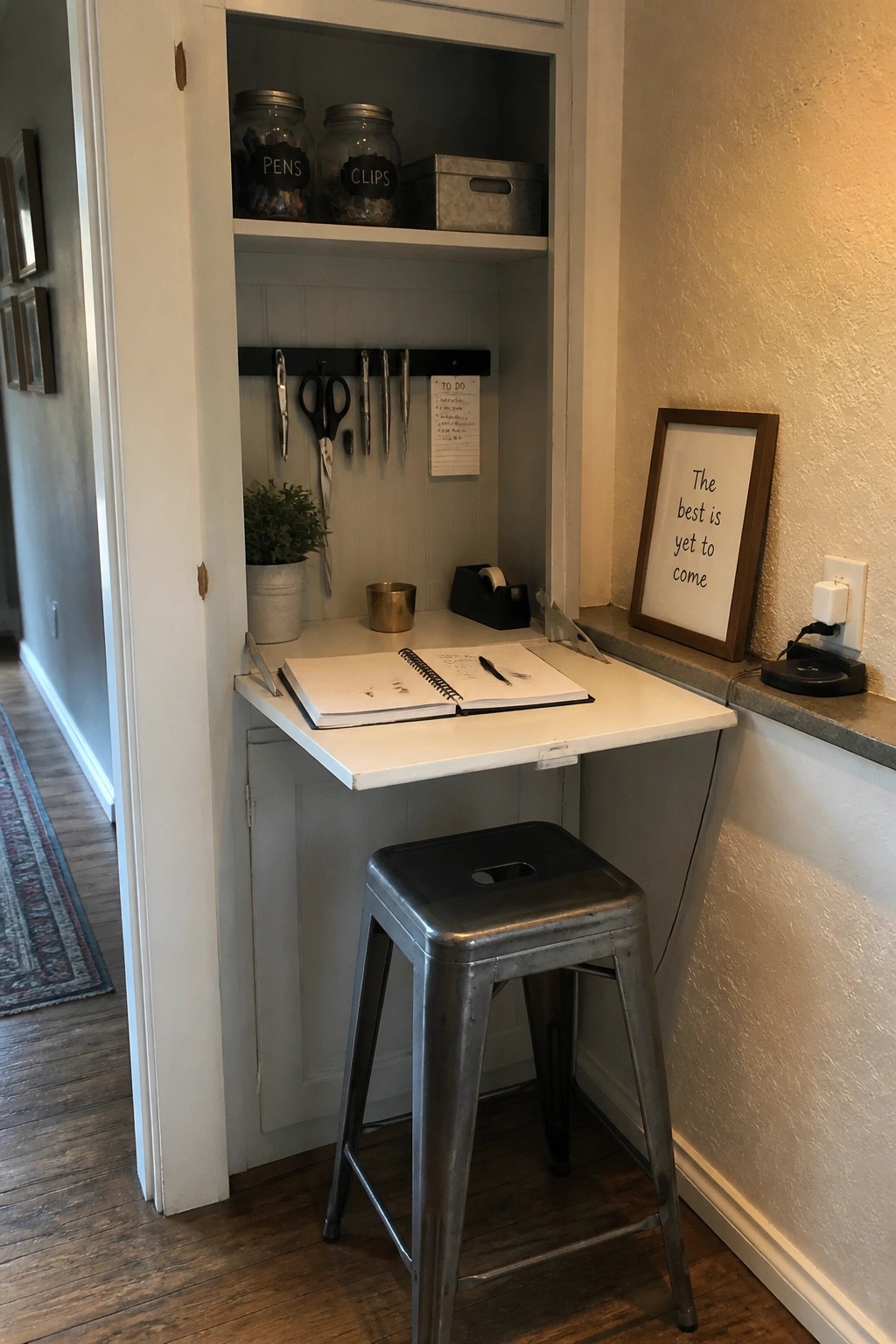
A recessed wall area can turn into a compact workspace without eating into the rest of the room. The fold-down surface stays out of the way when not in use and gives you a flat spot for a notebook or laptop when you need it.
This setup works best in apartments or homes where floor space is tight. Mount hooks or a narrow shelf above the desk for supplies and keep the stool tucked underneath to maintain an open walkway.
Frequently Asked Questions
Q: What if my corner gets zero natural light and feels like a cave? A: Add a slim LED floor lamp that tucks right behind the desk. Position the light to hit your work surface from the side so you avoid screen glare while you type.
Q: How do I keep a corner desk from feeling like it blocks the rest of the room? A: Float the desk a few inches off the walls instead of pushing it flush. This leaves room to tuck a small wastebasket underneath and makes the space feel more open when you walk by.
Q: Can I fit a second monitor without crowding the corner? A: Mount one screen on an adjustable arm clamped to the desk edge. The arm lets you swing the monitor flat against the wall when you need the surface for papers or lunch.
Q: What if the corner floor is uneven and the desk wobbles? A: Slip a thin furniture pad under the short leg before you load it with gear. The fix takes two minutes and stops the shake so your monitor stays steady during video calls.
